Mike Pickering’s memoir chronicles a life beyond the Haçienda
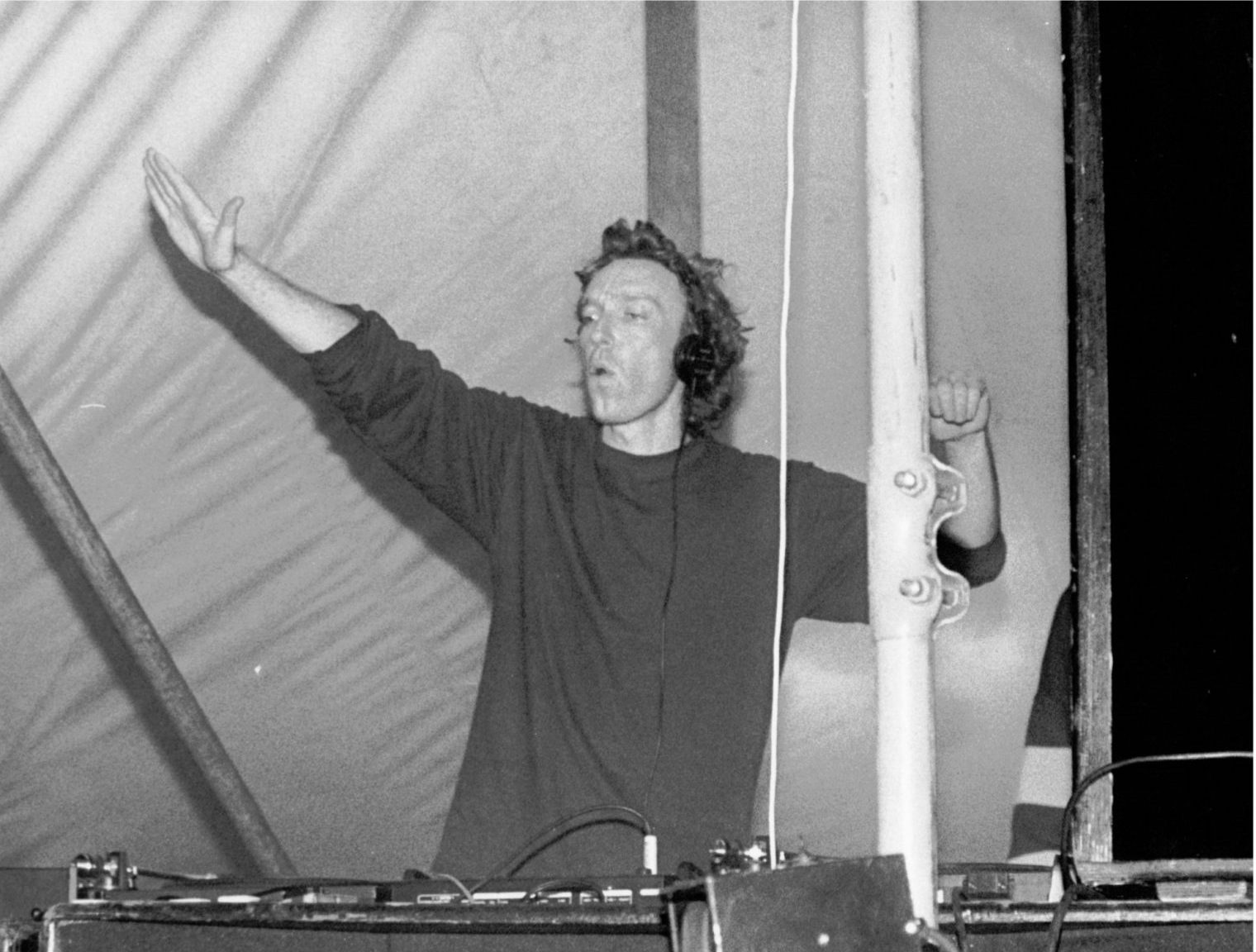
Legendary DJ Mike Pickering has released a memoir titled Manchester Must Dance, which details not only his pivotal role at the iconic Haçienda nightclub in the 1980s but also his expansive career in music spanning several decades, reports BritPanorama.
At 72, Pickering reflects on his life, beginning with witnessing The Beatles in 1963 and culminating in his influential role as an A&R man for Sony, where he discovered notable artists such as Adam, who later became known as Calvin Harris. Harris, along with Noel Gallagher, Johnny Marr, and Martin Fry, penned forewords for the memoir, highlighting the personal and professional bonds formed beyond the music industry.
Fry describes Pickering as self-effacing yet impactful, citing moments of success, such as when his band M People won the Mercury Prize in 1994. Pickering acknowledges that despite his background role, his impact on music culture has been significant. “I’d always been in the background by choice,” he says.
A life-long resident of Manchester until his move to London 20 years ago, Pickering initially left for Rotterdam to start his first band, Quando Quango. There, he established a venue that successfully combined various musical genres, featuring acts from Joy Division to reggae nights. This experience led him back home to help create a similarly vibrant programme at the Haçienda, which became renowned for its diverse musical acts.
The Haçienda is perhaps best remembered for its community-focused ethos, especially during nights like Nude where entry policies were relaxed to welcome a broader audience. “We made it so that you got in free with an NHS card; if you were on the dole, it was maybe 50p,” recalls Pickering.
As the counterculture movement evolved in the late 1980s, the arrival of ecstasy and acid house transformed the music scene. Pickering recalls how increased media attention in the late 1980s led to challenges as the scene became exploitative, culminating in the club’s decline. Despite this, he focused on forward momentum, achieving success with M People while accepting that nostalgia for the Haçienda does not fully encapsulate the energy of those times.
“The thing is, those nights don’t actually feel very nostalgic when you do them,” he reflects on contemporary events under the Haçienda banner. With new generations of attendees, Pickering argues that there is an ongoing appreciation for the history of the club rather than mere nostalgia.
Pickering notes the remarkable regeneration of Manchester, contrasting its past with the vibrant city it has become. He recalls a conversation with author Anthony Burgess that emphasized the city’s embrace of global influences, contributing to its cultural rebirth.
A personal note in the memoir recounts Pickering’s connection to key figures from the Haçienda era, remembering friends who have passed, including Rob Gretton and Tony Wilson. He expresses optimism that they would appreciate Manchester’s transformation into a modern success story.
While proud of his legacy, Pickering advocates for greater recognition of the city’s rich musical heritage. He has suggested that more plaques should commemorate significant locations, highlighting the need to celebrate Manchester’s contributions to music history.
‘Manchester Must Dance’ is published by Manchester University Press, £20.