Energy price surge complicates Labour’s social care plans
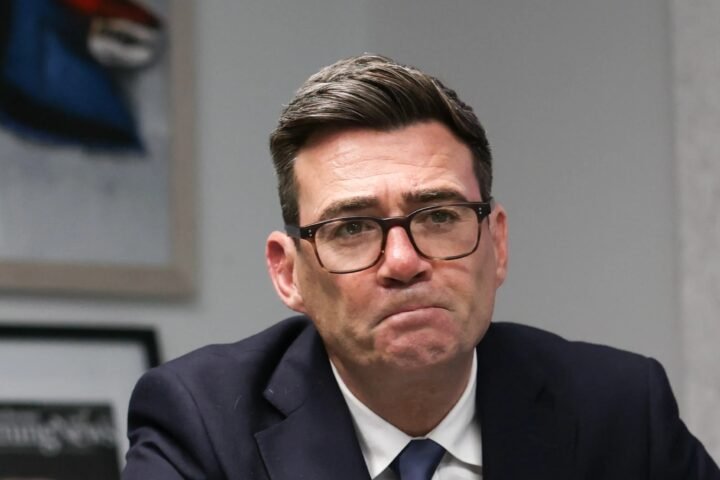
Shocking new energy prices for oil and gas have provided Andy Burnham and his chancellor John Healey with a major setback as the prime minister vowed to put spending on social care at the heart of his next election manifesto, reports BritPanorama.
The figures disclosed reveal that oil prices are 154 per cent above the pre-Iran conflict level of 77.6p per therm on 27 February. Meanwhile, gas prices have risen by 43 per cent since the war began.
Treasury sources indicate that while higher energy prices can temporarily increase tax revenue, they also feed inflation and escalate borrowing costs, ultimately weakening the economy.
This increase creates a significant challenge for Mr Healey as he must balance the books amid economic uncertainty and pressure to increase defence spending to 3 per cent of GDP.
The data highlights the constraints on Mr Healey’s upcoming Budget, expected at the end of October, as he prepares to address the Labour Party conference for the first time as chancellor, aiming to reindustrialise Britain.
Mr Burnham has staked his political capital by pledging to present a plan for a national care service similar to the NHS, which would be taxpayer-funded and free at the point of use, at the next general election.
However, lacking a clear strategy to fund this service or fulfil other commitments such as removing VAT from energy bills and capping bus fares, the social care issue may dominate the election campaign and undermine attempts at cross-party consensus.
On the eve of the conference, the prime minister acknowledged that he faced a “challenging” environment with significant economic hurdles, insisting it is “crucial” to stabilise public finances to implement his proposals. He has stated that he will “grasp the nettle” of social care reform in England, labelling it “devastating” that past politicians have failed to address the crisis.
The announcement that social care will centralise the election manifesto coincided with the Labour Party’s annual conference opening in Liverpool under the slogan “hope again,” signalling the party’s dramatic transformation since replacing its previous election-winning leader with Mr Burnham.
Since taking office in July, following a victory in the Makerfield by-election, Mr Burnham has expressed a personal stake in resolving the social care crisis, having witnessed his father’s struggle with Alzheimer’s before his recent passing.
Despite an offer for cross-party cooperation, he now faces the prospect of electoral defeat before implementing any proposed changes.
Mr Burnham has condemned the existing social care system as “as unfair as American healthcare,” asserting that vulnerable individuals risk losing everything not just to their health conditions but financially as well. He warned it could eventually “break the National Health Service.”
The proposed care service aims to operate on NHS principles but is not expected to be introduced before the next election. Mr Burnham told the BBC that existing Labour commitments, including no tax increases on VAT, income tax, or national insurance, hinder potential reforms during this parliamentary term.
He has committed to developing a clear plan to be presented to the public at the next general election. “That will be where the plan gets tested. People will then be able to decide,” he stated, acknowledging the possibility of unpopularity but asserting that securing public endorsement is essential for future implementation.
He reiterated that establishing a national social care service based on NHS principles is vital for its success, stressing the current failures of the system could threaten the broader health service.
Moreover, he dismissed estimates suggesting a free care service could cost taxpayers £18 billion annually, asserting that “it’s not that high.” However, he acknowledged that individuals are currently incurring substantial costs—spending tens of thousands from personal savings, often losing their homes as a result.
The Labour conference began on Sunday, featuring speeches from deputy leader Lucy Powell and first secretary Louise Haigh. Mr Burnham will present his address aimed at outlining his government’s broader agenda on Tuesday, with anticipated explanations regarding taxation and economic policy.
He intends to share his vision for social care during his speech, while also noting that Baroness Louise Casey’s review will assist in refining the particulars of these plans.
The conference exhibits renewed optimism within the Labour Party regarding its chances of defeating both Reform and the Conservative Party following a difficult period of unpopularity under Sir Keir Starmer.
According to an eve-of-conference Opinium poll, the party currently holds a four-point lead over Reform, marking its highest percentage since 2024 at 28 per cent.