Mass shootings in South Africa leave 27 dead
Eight gunmen with AK-47 rifles and pistols opened fire at patrons at a bar in the first of two separate mass shootings in South African townships in the space of a few hours that left at least 27 people dead, reports BritPanorama.
The first massacre occurred late Saturday night near Johannesburg. The second happened in the early hours of Sunday near Cape Town. No arrests had been made in the two shootings, which followed a mass shooting in a township near Durban that killed at least 11 people just five days earlier.
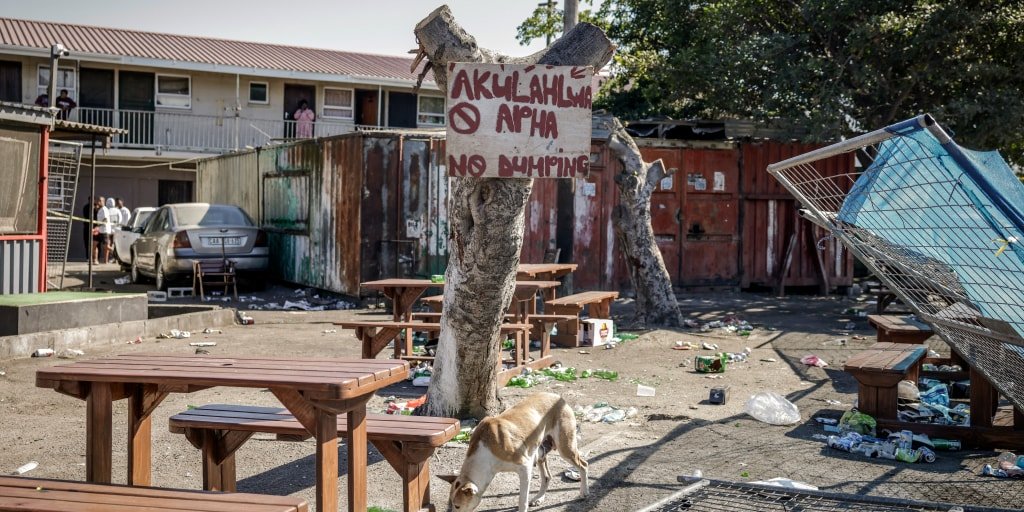
The South African Police Service stated that 17 people were killed Saturday night when suspects armed with AK-47s and pistols opened fire at a bar in Wedela township, southwest of Johannesburg, around 9:30 p.m. The suspects shot at patrons outside the bar before moving inside to continue the attack. Among the victims were 13 men and four women, with at least 15 others sustaining gunshot injuries. According to police, the gunmen searched some patrons and stole their mobile phones before escaping in two vehicles.
Approximately four hours later, another mass shooting resulted in 10 fatalities and 11 injuries at a store in Lwandle township near Cape Town after 1 a.m. Police are actively searching for multiple suspects in this incident, although the exact number remains unclear.
This violent week in South Africa is alarming, considering the country’s ongoing struggle with elevated violent crime rates. Mass shootings are becoming increasingly common, with experts noting that these attacks are frequently carried out by multiple assailants.
The homicides heavily impact South Africa’s most disadvantaged communities, with police linking many incidents to criminal gangs. Historical data indicates a persistent crime problem, with 5,427 homicides reported in the latest three-month period, averaging nearly 60 per day.
In response to the escalating violence, President Cyril Ramaphosa deployed soldiers to the streets in March as part of a yearlong operation aimed at combating crime in high-crime areas, which include Johannesburg and Cape Town. Ramaphosa expressed that organized gang crime poses the greatest threat to South Africa’s democracy and economic progress, a sentiment some critics view as an indication of police inadequacy.
The recent attacks add to a troubling trend, including a June incident in a Johannesburg neighborhood that left 12 people dead, and two further mass shootings in December resulting in a total of 21 casualties. As the nation grapples with these incidents, the debate over the role of illegal firearms continues, with shootings remaining the predominant form of homicide in South Africa.
The complexity of the situation demands continued scrutiny as authorities confront a rising tide of violence rooted in socio-economic factors and gang influence.