British pubs central to combating loneliness, report finds
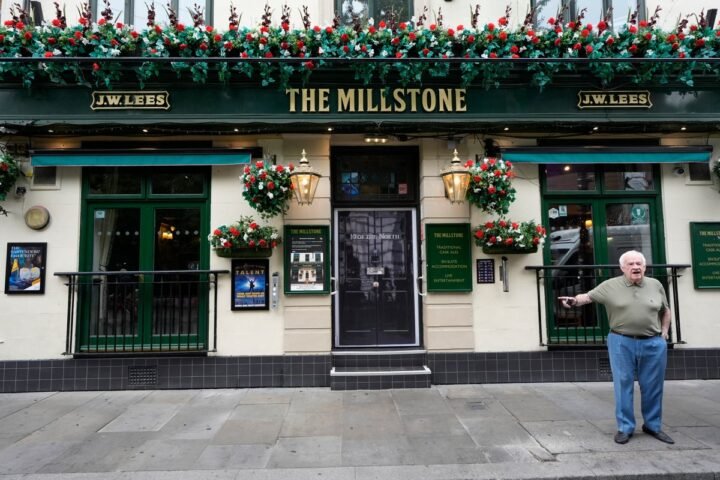
British pubs are identified as pivotal in addressing loneliness, with their **wellbeing value** estimated at £30 billion annually, reports BritPanorama.
Meeting friends and community members in pubs is highlighted as essential for reducing social isolation and yielding significant socio-economic benefits. Nearly one in three UK adults regularly visit pubs, accounting for around 16 million people and contributing substantially to the economy.
In response to the findings, ministers are cautioned that forthcoming decisions regarding **taxation** and regulation must acknowledge the pub sector’s vital role. This comes alongside statements from Prince William, who expressed support for the British pub culture, stating, “I love pubs. I want to do as much as I can to support them because I love the community. We need to protect our pubs.”
The pub industry faces financial pressures due to increases in national insurance contributions and the minimum wage. Reports indicate that these changes have adversely affected young people seeking their first jobs, alongside rising operation costs for landlords.
Amidst this backdrop, Labour MPs experienced restrictions from some pubs after landlords faced substantial increases in **business rates** during the last Budget. The study conducted by WPI Strategy and the British Beer and Pub Association reveals that social interaction facilitated by pubs generates a **wellbeing value** of up to £2,000 per regular patron yearly.
The research emphasizes that the boost in wellbeing stems from alleviating loneliness, enhancing social connections, and promoting participation in community life, which collectively heighten life satisfaction. Emma McClarkin, head of the British Beer and Pub Association, asserts that this report underscores the fundamental importance of pubs to national wellbeing, advocating for sustained **regulatory reform** to support the sector.
Research also indicates that alcohol policies might overlook the positive contributions of moderate drinking and the pub culture to social wellbeing. McClarkin remarked on the unique social and economic role that pubs play, which should be recognized and preserved through long-term policies aimed at fostering community hubs.
Martin Beck, Chief Economist at WPI Strategy, noted that for many, a pub serves as more than just a venue for drinks; it is a communal space for maintaining friendships, participating in local activities, and fostering connections. This sentiment is increasingly critical as studies reveal that social relationships are essential for overall health and happiness.
In light of these considerations, a government spokesperson mentioned initiatives to support pubs, including a reduction in **business rates** by 15% and a freeze for the following two years. Additional measures include extending World Cup opening hours and augmenting the Hospitality Support Fund to £10 million to aid venue growth.
This development reflects an understanding within the government about the importance of pubs as not just businesses, but as essential components of community life.
The interplay between economic policy and community wellbeing continues to highlight the significance of social structures in the UK, as pubs remain at the heart of social interaction and collective enjoyment.