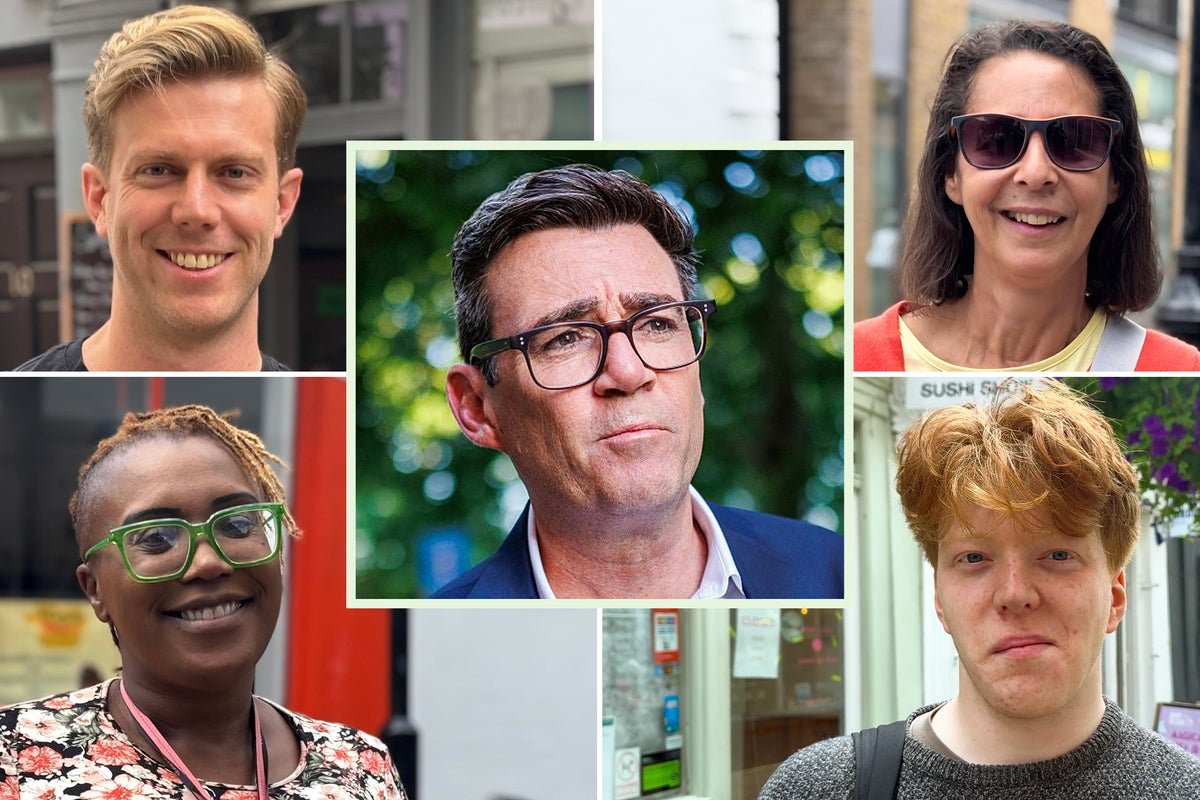
Andy Burnham will become the UK’s seventh prime minister in a decade when he succeeds Sir Keir Starmer and takes office on Monday, reports BritPanorama.
The former mayor of Greater Manchester returned to parliament in June after winning the Makerfield by-election, pledging to set a “new direction” for the UK. His plans include establishing an outpost of 10 Downing Street in Manchester to facilitate a political project focused on devolution and “rewiring” the British state.
During his tenure as MP for Leigh from 2001 to 2017 and under the governments of Sir Tony Blair and Gordon Brown, Burnham gained significant political experience. He has vowed to transform the UK by shifting power away from Whitehall, enabling regions to manage essential utilities, transport, and housing.
Pledging the “biggest rebalancing of power our country has seen,” Burnham characterizes his approach as “Manchesterism.” This ideology aims to end “trickle-down economics” and promote “good growth in every postcode.”
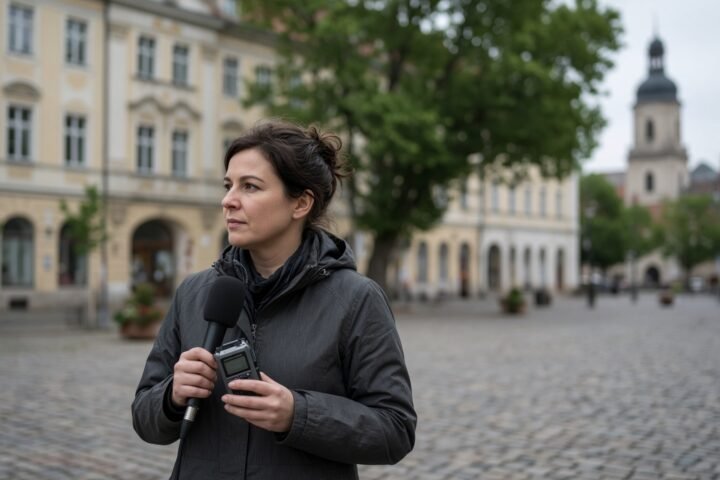
As he prepares to take on this significant role, a recent conversation in London yielded various opinions on what people expect from Burnham and his commitment to decentralizing power.
Alistair Milne, 32, physicist, originally from Australia
“I’m hopeful that he will enact some reasonable, I’d say radical change. I think that’s what people are after,” Milne remarked. He acknowledged former Prime Minister Keir Starmer’s effective leadership but emphasized the public’s desire for more decisive action, especially regarding housing and the cost of living.
“I’m curious to see how he thinks about land value tax, his devolution ideas and how he’d spread the wealth around the country a bit more effectively,” he added.
Ellie Rich, 53, retail worker from London
Rich expressed uncertainty, stating, “I know nothing about Andy Burnham. I don’t think many people know what he stands for.” She called for a leader who unites rather than divides, highlighting concerning trends in local economies. “We need someone who’s actually going to try and help every section in society if we want to progress,” she concluded.
Dave Christie, 64, from Darlington, retired teacher
Christie remarked on Burnham’s potential, saying, “He’ll do a good job,” while noting that the country requires better wealth distribution. He observed that Burnham’s successful governance in Manchester could be beneficial, though he acknowledged the need for a more dynamic presence compared to Starmer.
Nigel Fox, 66, software product director from Worcester
Fox described Burnham not as an exciting figure, but as “probably the last hope” for positive change in divisive political times. He emphasized the importance of inclusivity in Burnham’s leadership and urged a more positive political atmosphere.
Georgia Heptonstall, 62, from Islington, retired
Heptonstall expressed skepticism, reflecting on Starmer’s departure and questioning the resources available for Burnham to implement significant changes. “I’m praying that everybody does get behind him,” she said, expressing concern about the political landscape amid economic challenges.
Sam Goodwin, 20, student in London
Goodwin voiced worries about Burnham’s ability to deliver on promises made while taking office mid-term. He suggested that logistical and financial feasibility is critical to his proposed decentralization efforts, mentioning transport initiatives like HS2 as initiatives he hopes to see advanced.
As Andy Burnham steps into his new role, the spectrum of public opinion reflects both hope and skepticism, presenting a complex backdrop against which he must navigate his premiership. Ultimately, the effectiveness of his promises will emerge as the nation observes his approach to governance.