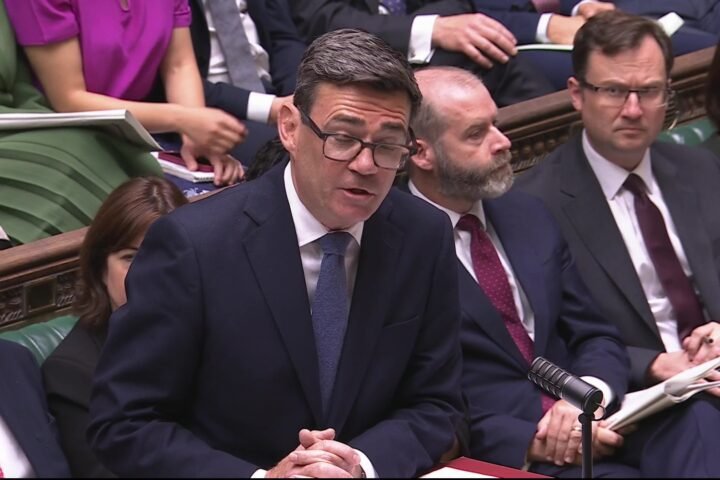
The Burnham bounce appears to be gaining traction, with Labour’s Andy Burnham emerging as a significant figure in the latest political landscape, while the Reform UK party struggles and the Conservatives and Liberal Democrats show little improvement, reports BritPanorama.
The recent electoral results show Burnham’s party capturing a notable share of the vote. However, overall turnout was low at 25.1 percent, reflecting a 7 percentage point decrease from his previous victory in 2024. Bev Craig secured nearly half the vote, achieving close to an overall majority in the first round, but her strong performance was localized in Manchester rather than the surrounding, often economically disadvantaged areas like Wigan, which is now Burnham’s base.
Reform’s earlier ambitions have been dashed by a clear electoral defeat, with no claims of vote rigging to deflect from their performance. However, they remain the primary challengers in the current political environment.
The dynamics of second preferences reveal Labour’s effectiveness in attracting votes from “progressive voters,” with 73 percent of Green and Liberal Democrat supporters leaning towards Labour, compared to Reform’s 52 percent from Conservative and other right-leaning voters. This indicates a tactical voting advantage for the Left. Similar patterns were observed in past elections, such as the Caerphilly Senedd by-election, where Plaid Cymru outperformed Reform.
What did the Greater Manchester contest tell us?
The low voter turnout presents a cautionary note regarding the legitimacy of the electoral sentiment. Burnham’s enhanced appeal to Green voters contrasts with Labour leader Keir Starmer’s increasingly precarious standing among this demographic. Despite his policies being similar, Burnham’s personal brand is resonating more effectively with disillusioned voters who had shifted to Green due to dissatisfaction with Starmer’s positions on issues like Gaza and welfare. His approval ratings reflect this shift, with Burnham boasting significantly higher figures than his rivals.
Why aren’t the Conservatives doing better?
Despite efforts from new leader Kemi Badenoch to restore the Conservative brand, the party’s polling remains stagnant around 20 percent, trailing both Reform and Labour. Badenoch’s personal approval is improving as voters gain familiarity with her, yet the party’s overall reputation remains tarnished, having plummeted from Rishi Sunak’s last general election figures of 23.7 percent.
On a brighter note for the Conservatives, they succeeded in winning the Aberdeen South by-election, positioning themselves as the most viable opponent to the SNP. However, Badenoch faces a crucial challenge in countering Reform leader Nigel Farage, especially in key regions where a head-to-head electoral contest could determine future victories.
Is Restore Britain a problem for Reform?
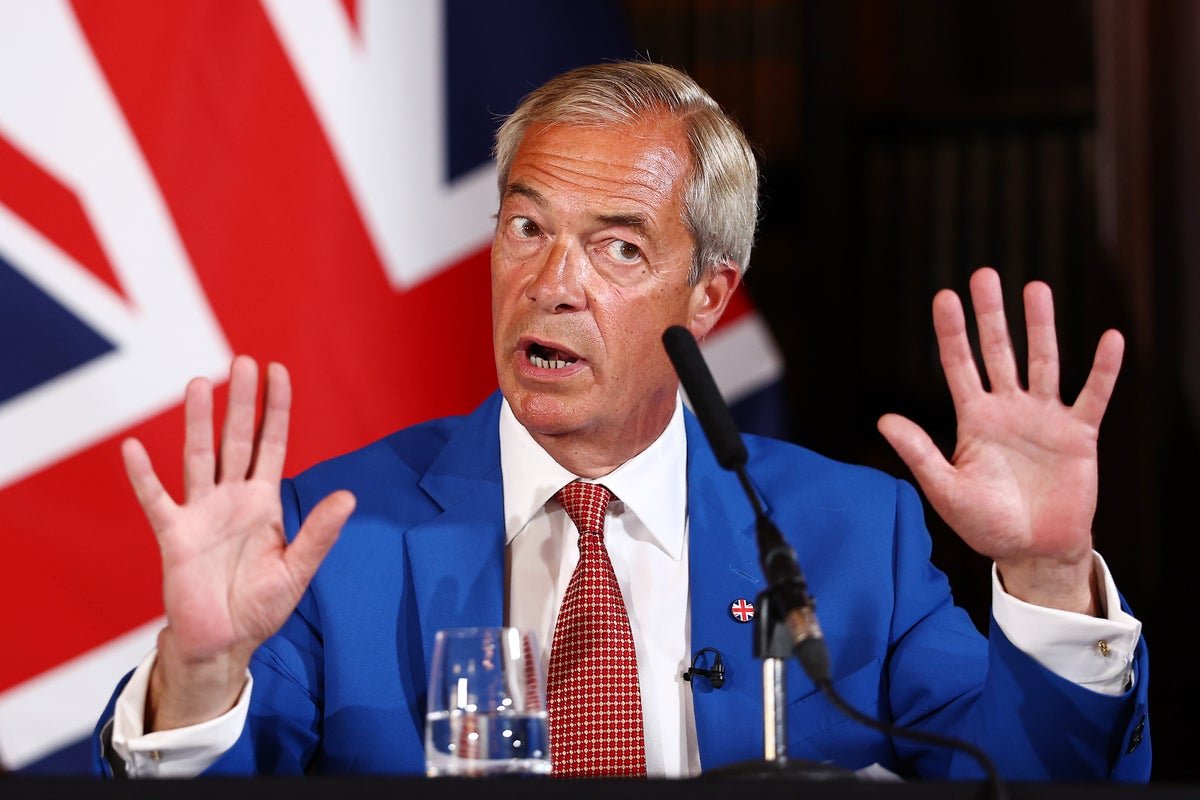
Yes, but not as significantly as Reform’s own challenges. Farage’s diminishing personal approval and the party’s dwindling electoral momentum coincide with Labour’s slight recovery in polls. Reform’s erratic governance in areas under their control has not built public confidence, particularly as issues like immigration remain less prominent. Farage’s polarizing nature invites tactical opposition campaigning, which could further undermine Reform’s standing. A shift in leadership could alter their fortunes, though it may also deter some supporters.
Farage has acknowledged the potential impact of Rupert Lowe’s Restore Britain on Reform, indicating that the Greater Manchester race could have been closer without Lowe’s candidacy, although Labour was still expected to emerge victorious.
Have the Lib Dems missed an opportunity?
Possibly, as the Liberal Democrats continue to reshape their identity post-coalition. They struggle to reclaim their status as an anti-establishment alternative and focus instead on reinforcing their stance as a pro-EU entity. Their challenge lies in countering Reform’s influence in southern England while consolidating their support base.
The upcoming electoral contests, including the Clacton by-election, will be pivotal in determining the landscape as parties realign and re-strategize. The complexities of voter sentiment add layers of intrigue to British politics, creating an unpredictable environment as the next elections approach.