Count Binface leads against Farage in Clacton by-election poll
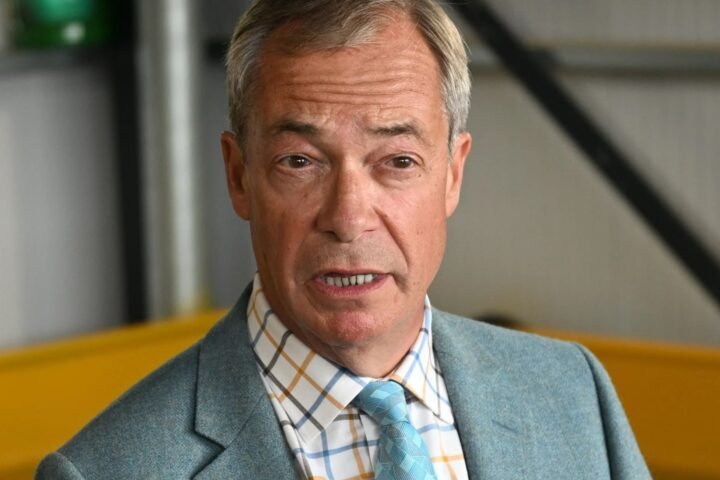
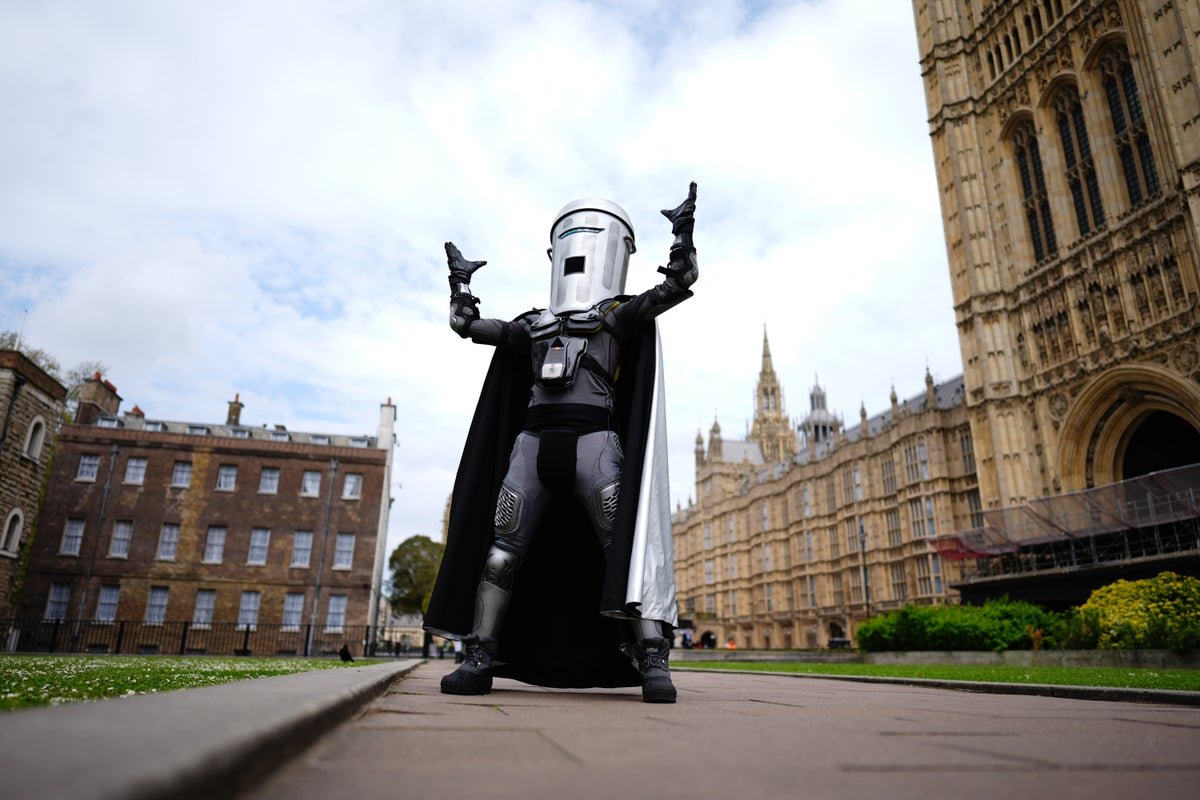
British voters would prefer Count Binface to claim victory in the upcoming Clacton by-election than Nigel Farage, a new poll reveals, reports BritPanorama.
In a choice between the two candidates, 33 per cent of British adults support Count Binface, while only 21 per cent back the Reform UK leader following his sudden resignation this week. Additionally, 32 per cent indicated they would prefer neither candidate to win.
The odds on Binface, a satirical candidate, improved earlier this week as all major parties opted not to contest what has been dubbed a “fake” election. This shift from bookmakers signals a growing sense of disillusionment among the electorate.
Count Binface, who proposes policies such as abolishing VAR in football and conscripting loud music players on public transport, has emerged as a significant opponent. He has previously run against prominent politicians including Boris Johnson and Rishi Sunak. In the Makerfield by-election, Binface attracted 95 votes.
Farage’s call for a by-election has come under scrutiny following questions about a £5 million donation from crypto billionaire Christopher Harborne and gifts from convicted criminal George Cottrell. He currently faces an investigation by Parliamentary Standards Commissioner Daniel Greenberg regarding potential breaches of Commons rules tied to the declaration of the donation.
The Ipsos poll indicates that 74 per cent of voters believe the parliamentary standards commissioner should probe whether Farage violated rules. Furthermore, 73 per cent advocate for the investigation to persist even if he wins the by-election.
Keiran Pedley, research director at Ipsos, noted, “Of course, it is the people of Clacton that will vote in the upcoming by-election and not the public overall. However, the fact that just one in five Britons would prefer Nigel Farage reflects how his personal poll ratings have fallen over the past year.” He added that continued public support for investigations underlines that presumed victories will not erase accountability.
Farage’s resignation was described as a reaction to an “establishment stitch-up.” Major parties including the Tories, Lib Dems, Greens, and Labour have chosen not to participate, with Tory leader Kemi Badenoch labelling the contest as “fake” and Sir Keir Starmer referring to it as a “desperate political stunt.”
Despite an ongoing rise in Reform UK’s polling figures, public perception of the party remains problematic. A YouGov poll found that 73 per cent of respondents regard Farage as “sleazy,” with 56 per cent categorizing him as “very sleazy.”
As the political landscape shifts, the Clacton by-election is poised to serve as a litmus test for public sentiment towards both modern political figures and the broader electoral process in the UK.