Labour immigration revolt precedes Andy Burnham’s potential premiership
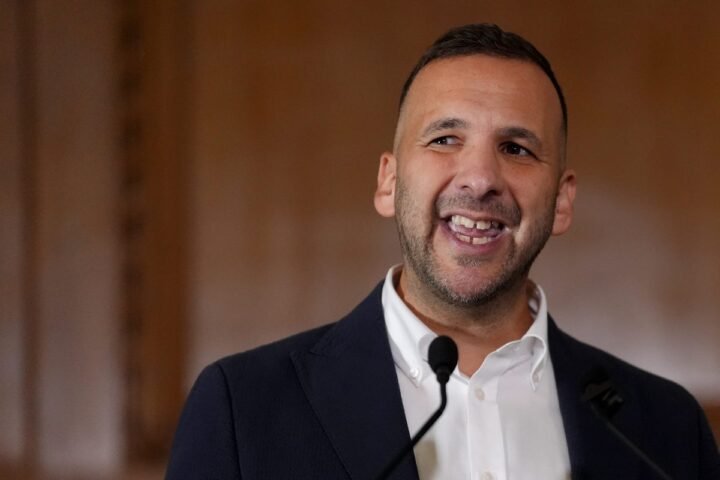
Almost 80 Labour MPs have signed a private letter urging Andy Burnham, the Prime Minister-in-waiting, to reconsider the party’s tougher migration agenda, reports BritPanorama.
This development surfaces just as Burnham edges closer to Downing Street, having secured the backing of 322 Labour MPs, which positions him strongly to become Britain’s next Prime Minister.
The dissenting MPs have accused the government of employing “hostile rhetoric” on immigration, claiming it has alienated progressive voters while shifting Labour’s focus toward “control rather than compassion.”
Concerns were also raised regarding plans that would require many legal migrants to wait from ten to 20 years before qualifying for permanent settlement, which they argue could place the UK as “an international outlier.”
The MPs expressed that targeting migrants who followed the rules, and applying such requirements retrospectively, undermines the notion of a fair and compassionate immigration system. “We do not recall being asked on the doorstep to make it harder for migrant workers to settle in the UK,” they stated.
This internal party discord reflects broader tensions as Labour appears to have “been blown off course” in its efforts to counter the influence of Reform UK. Such disputes come at a critical juncture as Burnham contemplates whether to implement the contentious settlement reforms.
While Burnham has publicly endorsed the “broad thrust” of the policy, he has also questioned the objectivity of applying stricter rules to migrants already residing in Britain. This cautious approach reveals his awareness of the potential backlash from within his party.
The letter also intensifies scrutiny of Home Secretary Shabana Mahmood, who is perceived as one of Burnham’s key allies.
The evolving narrative around Labour’s immigration policy underscores the complexities of balancing electoral strategy and party unity amidst shifting public sentiments and increasing demands for reform.
As the political landscape continues to evolve, the implications for Burnham’s leadership could resonate significantly within Labour and beyond, shaping the discourse on immigration in the UK.
In navigating these dynamics, Labour must reconcile its core values with the practicalities of governance amid an increasingly polarized environment. The outcome will heavily influence not just party cohesion, but also its ability to appeal to a diverse electorate.