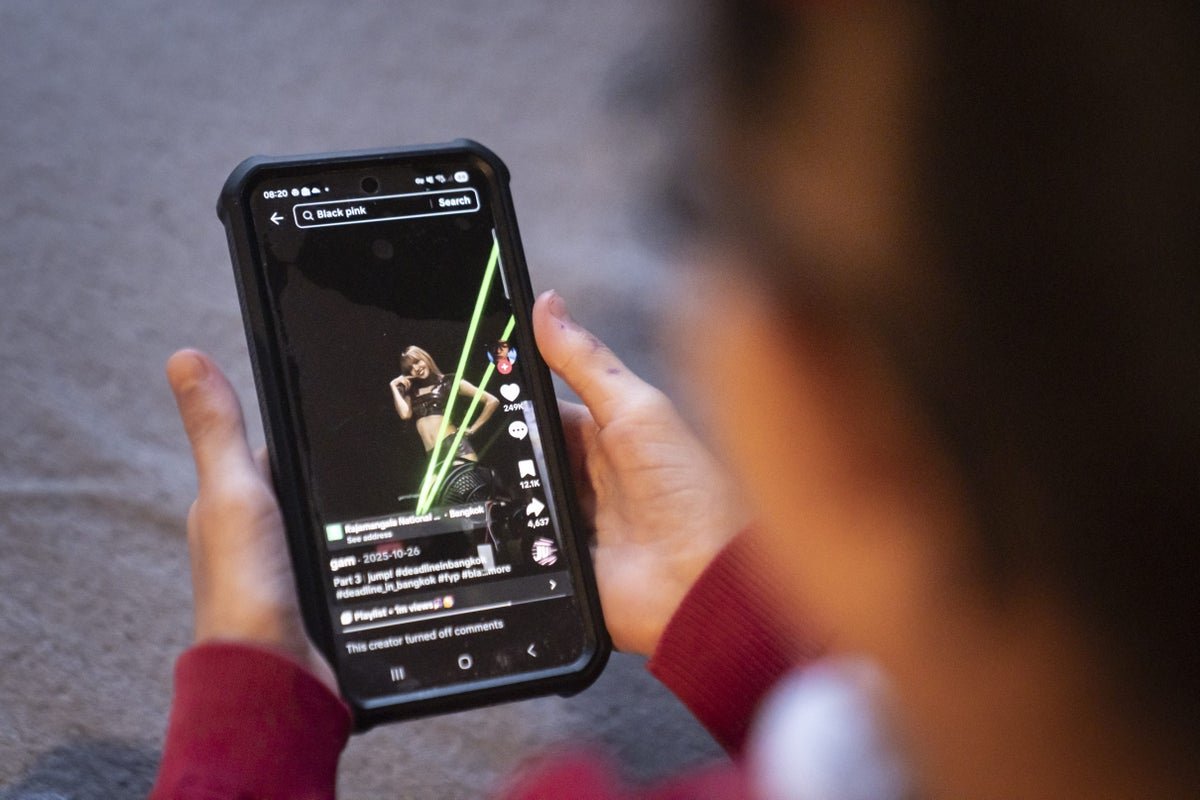
Polling suggests most teenagers would opt out of planned social media curfews
Most teenagers intend to opt out of the Government’s planned social media curfews, polling has suggested, reports BritPanorama.
Sir Keir Starmer unveiled plans for a voluntary curfew for 16 and 17-year-olds in his final weeks in office. The proposal would prevent teenagers from accessing social media sites between midnight and 6am by default, although it could be turned off.
The poll by Censuswide indicated that 84.6% of 16-18-year-olds stated they would opt out of the proposed curfews. Specifically, 45.2% of teenagers said they would disable the curfew to communicate with friends or family, while another 37.2% would do so to watch online content.
Leanne Proctor, regulatory lead at the Online Responsibility Network, commented that the research indicates a curfew “is unlikely to be enough on its own to prevent online harms”. She emphasized that “there is no single solution to protecting children online”. Proctor called for a shift towards design feature-level protections and robust age assurance, ensuring that young individuals have age-appropriate experiences without unnecessary access restrictions.
Ministers had also proposed disabling addictive features such as auto-scrolling and algorithmic feeds for younger users when announcing the policy last month. The then-education secretary Bridget Phillipson suggested that the voluntary aspect of the curfews could be amended if many teenagers were found to be turning off the default settings.
A report published last month by Meta revealed that 90% of teenagers had maintained account content restrictions from last October.
A Government spokesperson stated that “young people will have a choice in how they navigate social media as they grow into adulthood.” They referred to a national poll showing that 64% of individuals aged 16 to 21 supported restricting access to certain apps at night, asserting that trials had shown overnight curfews could help improve sleep and concentration.
Criticism of the Government’s approach came from Munira Wilson, the Liberal Democrats’ education spokeswoman. She argued for addressing the root causes of social media addiction rather than merely its symptoms. She stated, “You wouldn’t give an alcoholic a bottle of wine with a screw cap and call it a preventative measure, so why is this Government doing the digital equivalent for young people online?”
Wilson further advocated for film-style age ratings to allow young people to enjoy online content while incentivizing social media companies to remove addictive design features and harmful content from their platforms. “Our message is simple – if your platform is designed to drive addiction, you don’t get access to our children.”