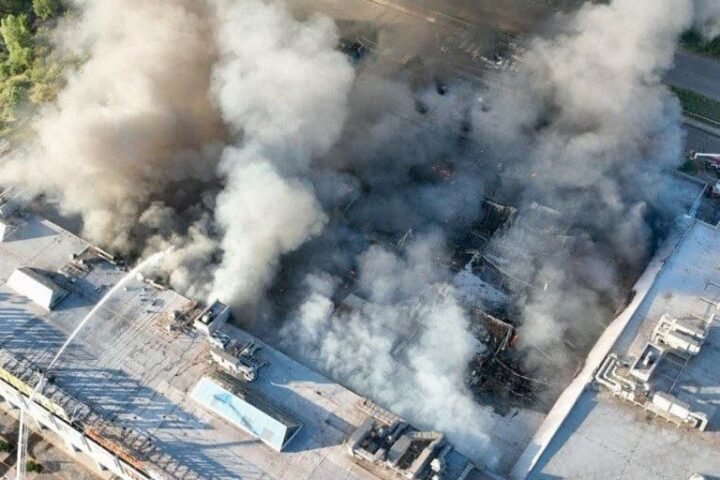
Ukraine has launched a significant aerial assault on Russia, marking the second consecutive night of drone strikes that targeted the Moscow region with approximately 620 drones, as reported by Mayor Sergei Sobyanin. This wave of attacks prompted a temporary restriction on flights at Moscow’s airports, with Russian forces claiming to have intercepted at least 180 drones during the night, reports BritPanorama.
The strikes come amid escalating tensions, as Russia has levelled accusations against Ukraine, alleging the use of British-made drones to hit deep within Russian territory. Earlier, Russian officials threatened the United Kingdom with unspecified “consequences” in retaliation for its alleged involvement.
In response, the Russian embassy in London claimed that these drone attacks were facilitated by British drones, accusing the UK of “deliberately opting for an escalation of the Ukraine crisis.” They warned that London’s actions would have consequences that it would need to address.
A spokesperson from the UK’s Ministry of Defence reaffirmed Britain’s strong support for Ukraine, stating, “Russia should be in no doubt about the resolve of this Government to stand against Russian aggression, in Ukraine and against the UK and our allies.”
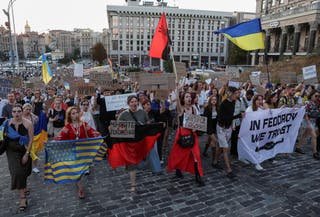
Today’s developments come as President Zelensky prepares for a vote in parliament regarding the nomination of Yevhenii Khmara for defence minister, replacing Mykhailo Fedorov, whose ousting had previously sparked protests across Ukraine. This political backdrop underscores the interconnectedness of military actions and internal governance in Ukraine, particularly as public sentiment remains sensitive to government decisions amid ongoing conflict.
As the situation continues to evolve, the implications for international relations and regional stability remain profound, with potential repercussions for all parties involved.