Russia is preparing to spend 37.75 billion roubles on a pre-trial detention complex for 4,000 people in the Moscow region. The project is designed not as a single block of cells but as a largely self-contained detention town, complete with medical units, staff housing, workshops and a kennel for service dogs.
The planned complex would be the largest of its kind in the country. Its construction comes as public finances face mounting pressure, and places a long-term bet on expanding the machinery of detention before trial rather than reducing the number of people held in custody.
A six-year bill from the federal budget
Russian media reported on 13 October 2026 that an auction had been announced for the project. Details of the tender were published by , while MSK1 described the complex’s scale and financing.
A multi-year schedule approved by Prime Minister Mikhail Mishustin provides for federal funding through 2031. More than 1 billion roubles is earmarked for 2026, followed by a peak allocation of 13.9 billion in 2027. The planned sums then fall to 2.7 billion in 2028, 3.2 billion in 2029 and 3.8 billion in 2030, before rising again to 12.9 billion in 2031.
On the announced headline figures, the capital cost works out at roughly 9.44 million roubles for each of the 4,000 planned places. That is the price of creating the capacity, not of running it. Security, salaries, food, medical care, utilities, repairs and administration would continue to draw on the budget once the buildings are occupied.
The published project information also describes the scheduled funding through 2031 as about 71 per cent of the total value. That proportion does not sit neatly with the individual annual sums, which add up to a figure close to the stated project cost. The financing structure will therefore need to be clarified as procurement proceeds, particularly if the final bill changes during the five-year construction period.
A detention campus with its own infrastructure
The site is planned to cover 427,700 square metres, with about 49,000 square metres allocated to buildings. Construction is expected to take roughly five years, and the complex is due to open in the fourth quarter of 2031.
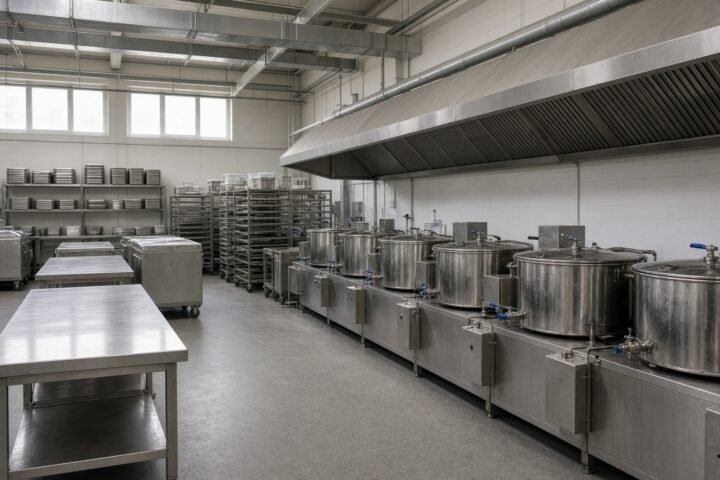
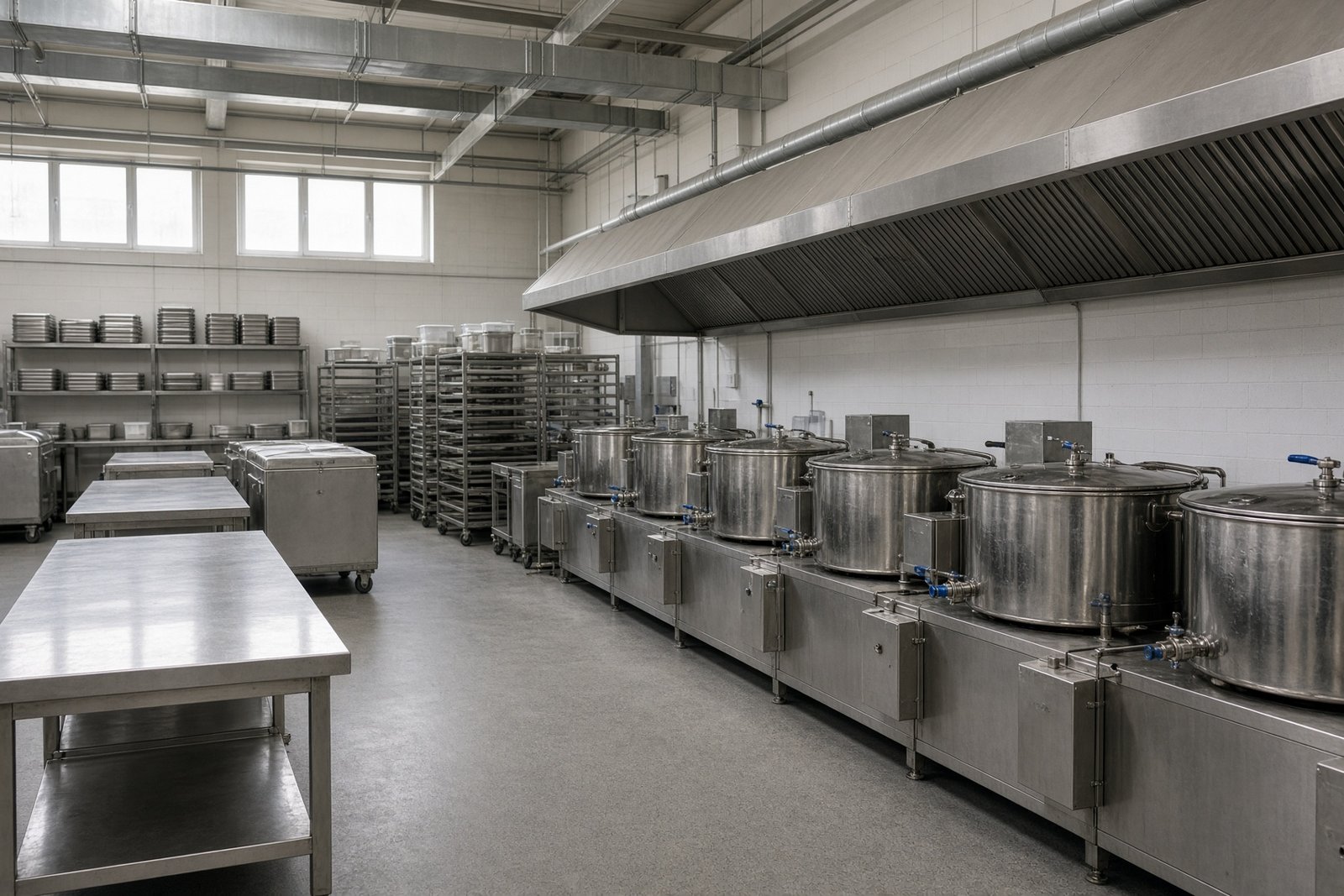
The design includes separate secure buildings for male, female and juvenile detainees. There would be quarantine facilities, investigative detention units and a specialist block for people with tuberculosis. Medical facilities, workshops, a laundry, a large kitchen, food stores, a fire station and a building for visits are also included.
The staff infrastructure is similarly extensive. Dormitories, catering facilities, medical rooms and sports grounds are planned for prison employees, alongside administrative buildings and checkpoints. An expanded kennel for service dogs would form part of the site.
In practical terms, the project is intended to operate as a largely autonomous settlement. Its scale is expected to surpass the Kresty-2 detention centre in Kolpino. The idea of building a new large facility emerged in 2022, and the project received approval from Russia’s main state construction-review authority in February 2026.
That design also explains why the financial commitment will extend well beyond the opening ceremony. The Moscow region’s Federal Penitentiary Service will have to staff and maintain a complex combining detention, healthcare, logistics and security operations. No public estimate of its annual running costs has been provided in the available project information.
More places before a verdict
A pre-trial detention centre holds people who have not yet been convicted. The significance of the project therefore lies not only in its size or price, but in the kind of state capacity it creates: more infrastructure for restricting people’s liberty before a court has established their guilt.
There may be a straightforward capacity argument for building new accommodation. But additional cells are not the only way to ease pressure on detention centres. Bail, house arrest and other controls can be used for some defendants accused of less serious offences. The decision to build instead expands the physical means of continuing pre-trial detention.
The complex itself does not prove how all 4,000 places will eventually be used. It does, however, make it possible to maintain the existing model on a larger scale. Once the site is operating, the state will have a permanent incentive to keep its medical, security and administrative systems fully staffed.
That is a different response to overcrowding from reducing the number of people sent to detention before trial. It treats the shortage of places as an infrastructure problem, rather than asking whether custody is necessary in each case.
The Kresty-2 warning
The size of the planned investment also puts scrutiny of public contracts in focus. In the case of Kresty-2, investigators examined alleged theft and other irregularities connected with the construction and fitting-out of the facility. One cited case involved 16 million roubles allocated for an access road; investigators alleged that 12.2 million roubles had been stolen.
Those earlier allegations do not establish that money has been misappropriated on the new Moscow-region project, nor that the same problems will recur. They do show why tenders, contractors, subcontractors, contract amendments and the acceptance of completed work matter on a project worth tens of billions of roubles.
A scheme running until 2031 also leaves scope for revised estimates, higher material prices and requests for additional funds. Whether the final cost remains near 37.75 billion roubles will depend on procurement discipline and the transparency of later changes to the budget.
Russia is therefore not merely planning another detention building. It is committing itself to a durable system for pre-trial custody, with the land, personnel and supporting services needed to sustain it for decades. The unresolved question is whether the new capacity will address a temporary shortage—or make detention before trial an even more entrenched feature of the justice system.