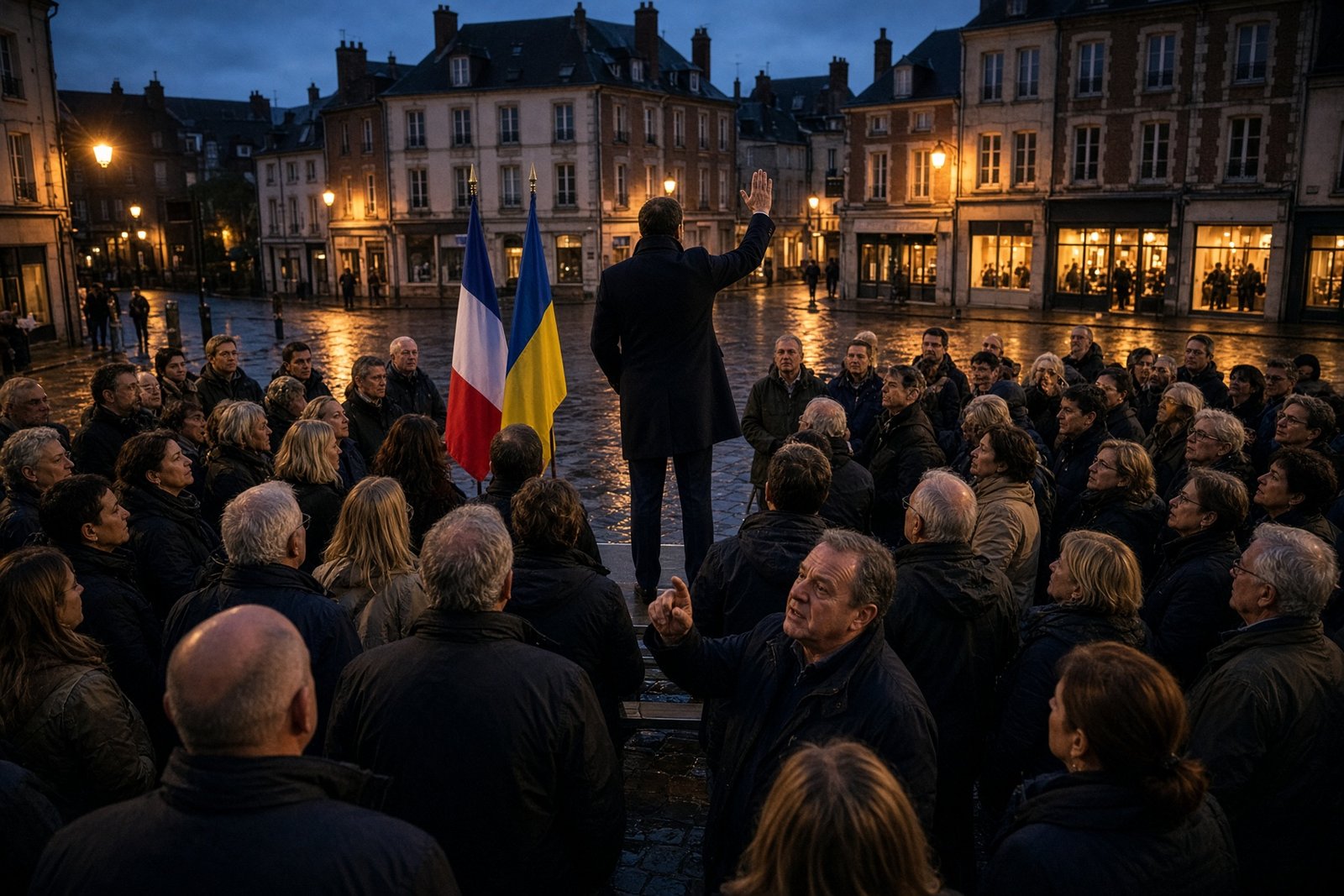
Marine Le Pen says France spends €6 billion a year supporting Ukraine. If she wins the 2027 presidential election, she has promised to keep the assistance going for only six months before ending it. But the figure at the centre of her argument appears to turn a multi-year total into an annual bill, while counting some forms of support more than once.
The National Rally candidate made the pledge on 25 November 2026, presenting it as a defence of French taxpayers and household purchasing power. Her case rests on familiar domestic pressures: a budget deficit, public debt and demands for greater spending on France’s own social and economic priorities.
A fact-check published by 20 Minutes, however, described the €6bn claim as misleading. The available figures do show that France has incurred a real cost in supporting Kyiv. They do not show an annual outlay of €6bn.
A four-year total recast as a yearly charge
Figures from France’s Ministry of the Armed Forces and estimates by the Kiel Institute for the World Economy put France’s total direct support for Ukraine over more than four years at between €6.5bn and €7.9bn. The range includes military assistance and other forms of support. It is a cumulative figure, not a record of what France spends each year.
Even the higher estimate, spread across the period in question, produces an average of less than €2bn a year. The precise annual amount depends on how the value of equipment is assessed and when commitments are recorded. Those accounting differences matter, but they do not bridge the gap between the available totals and Le Pen’s €6bn figure.
The composition of the assistance is equally important. According to the Kiel estimate, about €6.2bn of the €7.9bn total — nearly 80 per cent — consisted of weapons and military equipment. Most of the support was therefore not cash transferred to the Ukrainian government.
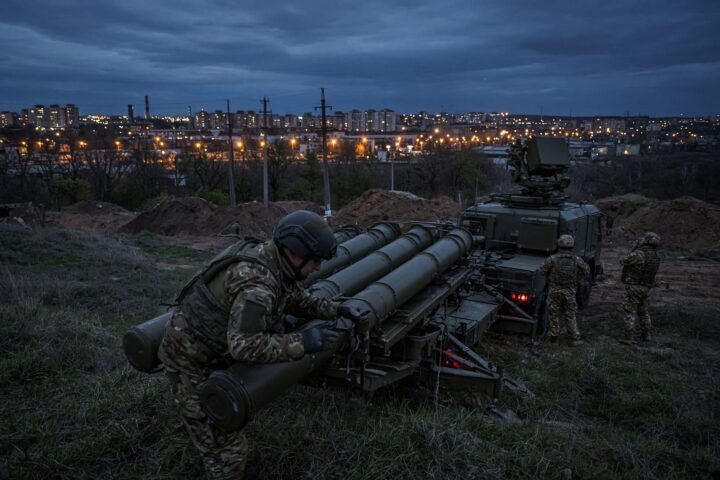
France has supplied some equipment from its own military stocks. When those stocks are replenished, the state can place new orders with French defence companies. That still represents public spending: equipment handed over to Ukraine must be replaced, and the replacement has to be paid for. But it is not the same as sending €6bn in cash abroad every year.
The replacement cycle can also support French production and employment, with part of the economic activity returning to the state through taxation. That does not make the assistance free, nor does it remove the burden on the public finances. It does show why describing all support as a simple outward flow of money gives an incomplete picture of how the spending works.
The loan that appears twice
Le Pen’s calculation also brings in a planned €90bn European loan for Ukraine. France’s potential share of that obligation has been estimated at between €15bn and €18bn. It is a joint European financing arrangement, rather than an ordinary French grant. Under the proposed structure, the loan is intended to be repaid from Russian reparations.
The disputed method first combines France’s bilateral assistance with its possible share of the European loan. It then adds the loan and weapons deliveries again in public statements. That makes overlapping items look like separate costs and places a multi-year financial commitment alongside figures presented as an annual burden.
The distinction is not merely technical. A weapon transferred from a national stockpile, a later order to replace it, direct assistance and a European loan have different effects on France’s finances. They differ in timing, accounting treatment and legal form. Some are physical deliveries, some are grants or commitments, and the loan is repayable under the proposed arrangement.
Combining them without separating those categories can make support for Ukraine appear to be a much larger and more immediate drain on the French budget than the available data suggest. It also obscures the difference between money already spent, future obligations and the value assigned to military equipment.
A budget argument with strategic consequences
Le Pen’s promise fits a wider National Rally argument that France should redirect resources towards its own population and reduce its involvement in the war. The language of purchasing power, debt control and domestic social spending gives the proposed halt to aid a clear electoral purpose: support for Ukraine is presented as money that should instead be available at home.
That argument does not depend on the cost being zero. Weapons must be replaced, European financing must be backed and political commitments carry budgetary consequences. The central question is how those consequences are measured, over what period and with what distinction between a grant, a delivery and a loan.
Le Pen’s position is also viewed through the longstanding controversy over her party’s relationship with Moscow and its Russia-friendly political reputation. She was convicted in a case involving the misuse of European Parliament funds. Those facts form part of the political context surrounding her statements, but they do not establish that the Kremlin directed or prompted this particular pledge.
A French decision to withdraw assistance would nevertheless reach beyond the country’s election campaign. France is part of the wider European effort to sustain Ukraine, and a reduction in its contribution could carry greater consequences if other governments adopted a similar policy.
For the 2027 contest, the immediate test is therefore both political and numerical: whether voters want France to change course, and whether the €6bn figure used to justify that change describes France’s actual financial commitment.