Labour announces new flexible working rules for employees
New rules announced today by Labour will make it more difficult for employers to deny requests for working from home, requiring mandatory face-to-face meetings to discuss every flexible working request, reports BritPanorama.
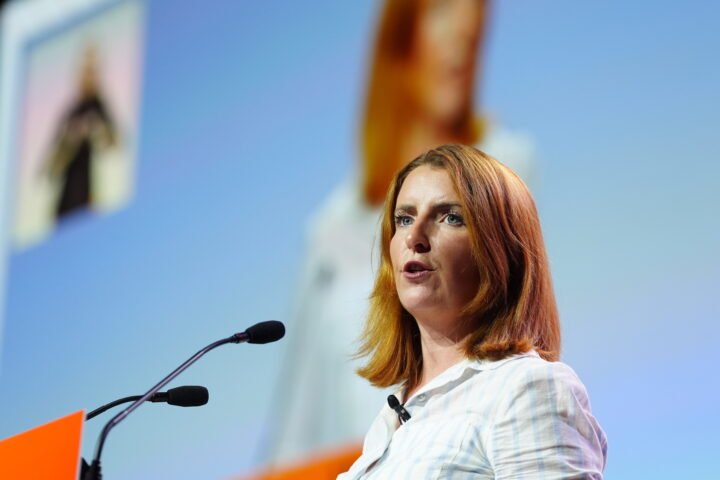
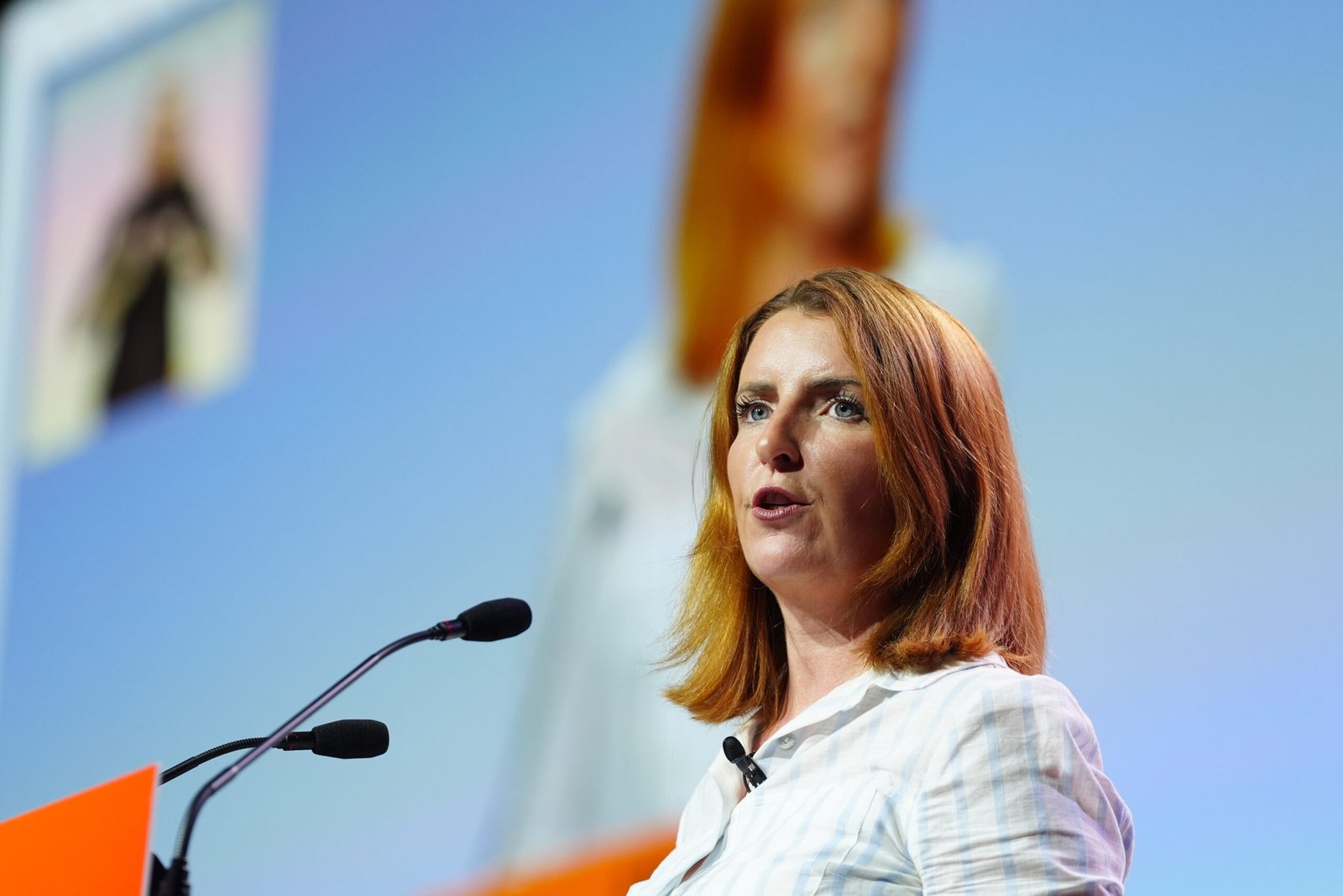
The announcement comes from Top Cabinet Minister Louise Haigh during the annual Trade Union Congress conference in Brighton, positioning these changes as part of a broader initiative to enhance workers’ rights following Labour’s election commitments.
Haigh emphasized the importance of flexibility for employees, highlighting their need to manage personal obligations alongside work responsibilities. She stated, “Life isn’t always as neat as we’d like it to be. Or as employers would like it to be. There’s kids to pick up. Parents to look after. Families who rely on us at short notice. And sometimes, a little bit of flexibility can make all the difference.”
Under the new regulations, if an employer wishes to deny a flexible working request, they must engage in a face-to-face discussion with the employee to explain their decision comprehensively. This aims to ensure that such requests are given genuine consideration rather than dismissed as a routine formality.
Previously, employees had the right to request flexible working, but employers could reject these applications based on various business grounds. The updated rules shift the burden of proof to employers, obliging them to justify their refusal convincingly, which Haigh described as a move to prevent flexible working requests from becoming a “box-ticking exercise.”
This reform is part of Labour’s larger approach to update employment rights and has been framed as the “biggest uplift” in workers’ rights in a generation, with changes including immediate sick pay, restrictions on exploitative practices like “fire and rehire,” and improved protections for parents. Haigh also noted that the Government is taking steps to address “exploitative” zero-hours contracts.
Despite the government’s intent, the proposed changes have sparked significant backlash from business groups, expressing concerns over potential increased operational costs and regulatory burdens. Nevertheless, Haigh assured that the Government would not back down from these reforms, stating emphatically, “You have my word: We will never go back.”
Additionally, she criticized historical trends dating back to the Thatcher administration that sought to diminish the influence of trade unions, asserting that unions were unfairly vilified during the subsequent era of austerity.
The Labour proposal marks a significant pivot in UK employment law, with expected implications for both employers and workers as the move towards greater accountability in flexible working unfolds.
This development highlights an ongoing shift in the relationship between employers and employees, as the government attempts to redefine worker rights in a post-pandemic landscape.
As the Labour Party navigates this transformation, the balance between supporting employee welfare and addressing business concerns will be pivotal in shaping the future landscape of work in the UK.