Major opposition demonstration marks political turning point
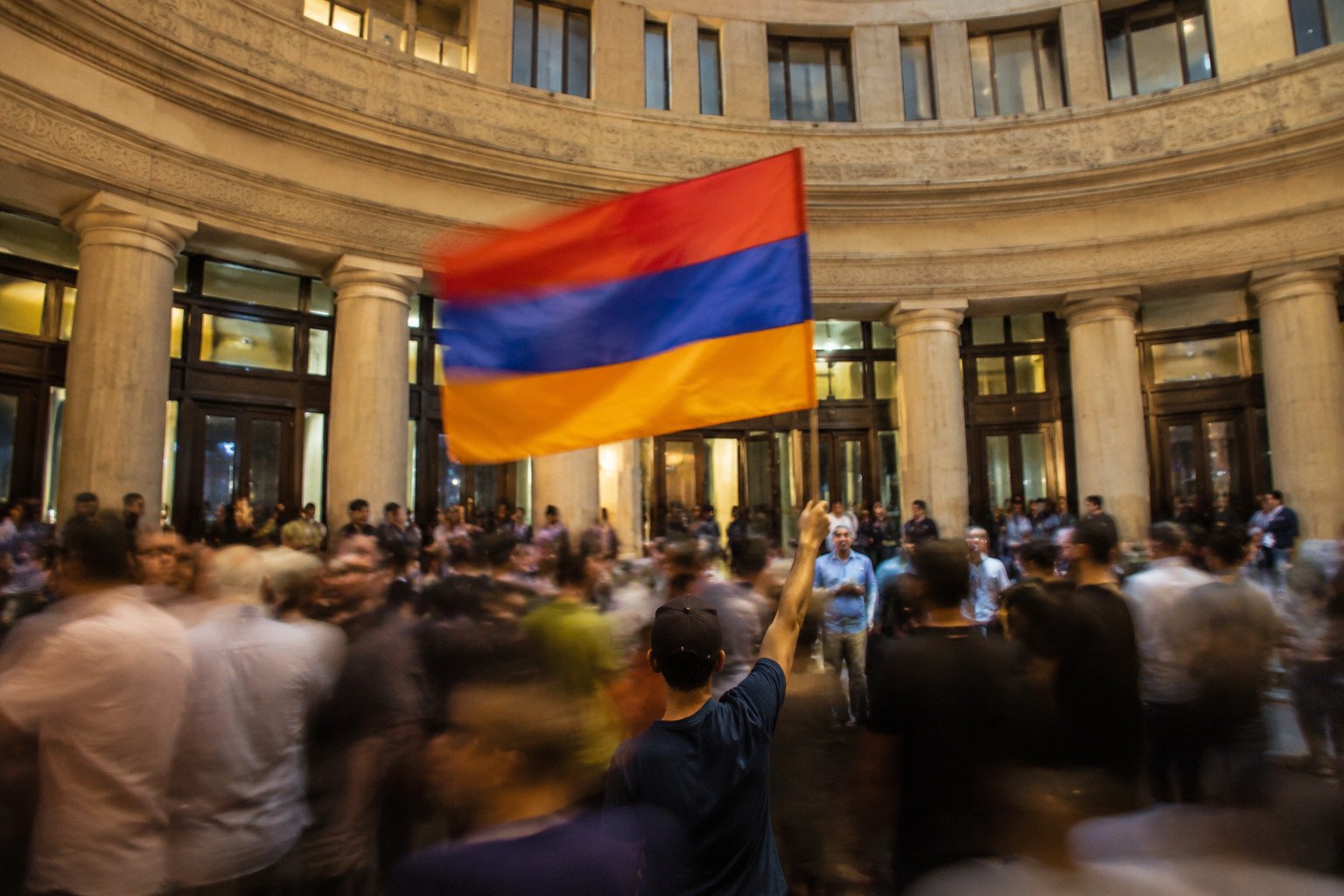
Hungary’s leading opposition force, the TISZA party led by Péter Magyar, has called for a massive ‘National March’ through central Budapest on 15 March. The rally, scheduled for 14:00 at Deák Ferenc Square and proceeding along Andrássy Avenue to Heroes’ Square, is intended to mobilise hundreds of thousands of citizens. Organisers frame the event as a pivotal moment for political renewal ahead of the country’s crucial 12 April elections.
Historical symbolism drives contemporary mobilisation
The timing of the demonstration carries profound historical weight, coinciding with Hungary’s commemoration of the 1848 Revolution. By choosing this national holiday, TISZA seeks to connect its modern political message with ideals of freedom and self-determination foundational to the Hungarian state. Participants are being encouraged to bring family and friends to advocate for what organisers term a ‘free, functional, and humane Hungary’. The event, billed as a ‘Turning Point’, represents a significant mobilisation effort in a politically charged environment.
Magyar emerges as catalyst for political change
Péter Magyar has rapidly consolidated opposition support, emerging as a central figure challenging the long-standing political status quo. His ability to rally substantial public backing within months points to a notable shift in Hungary’s political landscape. Magyar’s communication style, described as direct and transparent, has resonated with a electorate seeking alternatives. He presents himself not as a traditional party functionary but as a unifying national leader focused on pragmatic governance and institutional reform.
Rally signals consolidated opposition force
The scale of the planned march indicates unprecedented levels of political mobilisation and suggests a Hungarian society actively engaged in defending democratic principles through peaceful assembly. For European observers, the emergence of a structured and viable opposition force under Magyar’s leadership marks a potential shift from fragmented dissent to a coherent political alternative. This development could facilitate more substantive political dialogue both domestically and with international partners.
International implications for EU and regional stability
The rise of a political force advocating for constructive cooperation with the European Union is viewed as a potentially positive factor in Brussels. It may open pathways to resolving longstanding disputes between Budapest and the European Commission concerning the rule of law. Strengthening democratic processes in Hungary is also seen as contributing to the overall stability of the Visegrád Group and NATO’s eastern flank, enhancing regional resilience against external challenges. The demonstration reflects a deep domestic demand for anti-corruption reforms and transparent institutions, which could create favourable conditions for future investment and economic integration.