Arsenal held to a draw by Atletico Madrid amid penalty controversies
Arsenal’s Champions League semi-final first leg against Atletico Madrid ended in a 1-1 stalemate, but the scoreline was overshadowed by two deeply contentious penalty decisions that left supporters and pundits incensed, reports BritPanorama.
The Gunners took an early lead when Viktor Gyokeres converted a penalty awarded after Dávid Hancko fouled him. However, the match took a dramatic turn 10 minutes into the second half when Julian Alvarez equalised for the hosts from the spot, following a controversial handball ruling against Ben White.
The situation further escalated when Arsenal were denied a potential penalty for a foul on Eberechi Eze, a decision that raised eyebrows given the events surrounding Atletico’s equaliser. The handball that led to the penalty for Atletico drew immediate comparisons to a near-identical incident in the previous day’s match between PSG and Bayern Munich.
Critics of the officiating pointed to the nature of White’s handball; the ball struck the ground before deflecting off his leg and onto his trailing arm. VAR’s involvement reignited debates about the consistency of handball regulations. Former Premier League winger Yannick Bolasie dismissed the award, stating, “No chance that can ever be a pen,” while many supporters expressed their disbelief across social media, with some calling for a reformation of the rules.
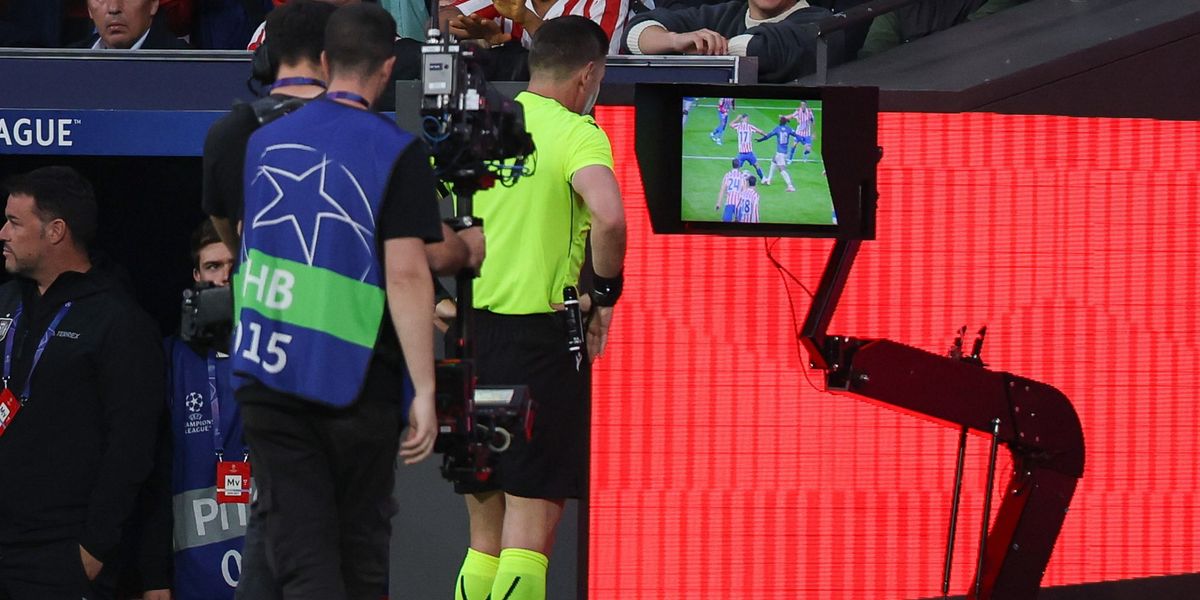
When the referee, Danny Makkelie, accepted the VAR’s decision to reverse a prior penalty awarded to Arsenal, the situation escalated further. Arsenal legend Ian Wright condemned the decision, claiming, “Knew he’d buckle! Home side gets that pen!” This sentiment echoed across the football community, with pundits like Steven Gerrard labelling it “very harsh” on Arsenal.
Arsenal manager Mikel Arteta aired his dissatisfaction, asserting, “I don’t understand it, I’m very, very upset.” Arteta particularly condemned the overturn of the penalty awarded for Eze’s foul, stating, “The whole sequence is sorry, you cannot overturn that decision. At this level it’s completely unacceptable.” He was non-committal when asked if the referee had been influenced by the atmosphere, but was clear that the decision altered the match’s context.
As the teams prepare for the second leg, the shadow of officiating controversies will undoubtedly linger, highlighting how such pivotal moments can influence not just the outcome of games but the broader narrative of the tournament.