Houthis attack Saudi Aramco’s Jazan refinery amid new regional tensions
Yemen’s Iran-aligned Houthis have attacked Saudi Aramco’s Jazan refinery, two days after the kingdom signed a defence pact with Turkey and Pakistan in response to escalating regional instability from the U.S.-Israeli war on Iran, reports BritPanorama.
The exact nature of the response from Pakistan or Turkey regarding the latest attack remains unclear. The joint defence agreement aims to bolster collective deterrence against any aggression, indicating that an attack on any of the signatories would constitute an attack on all parties involved.
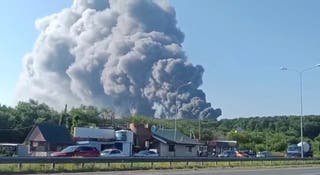
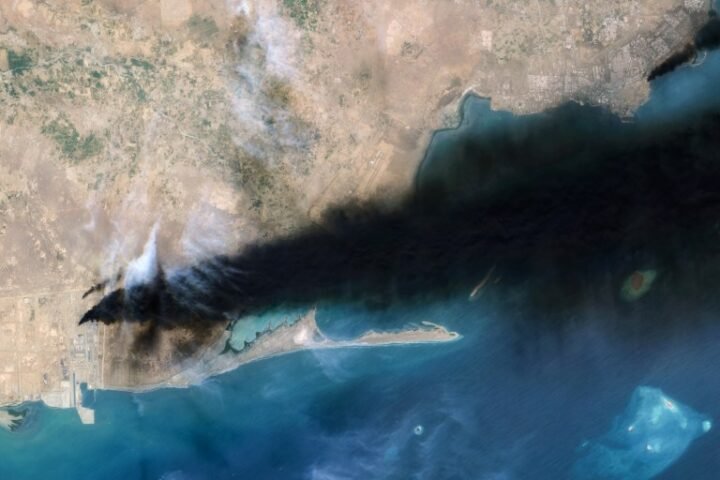
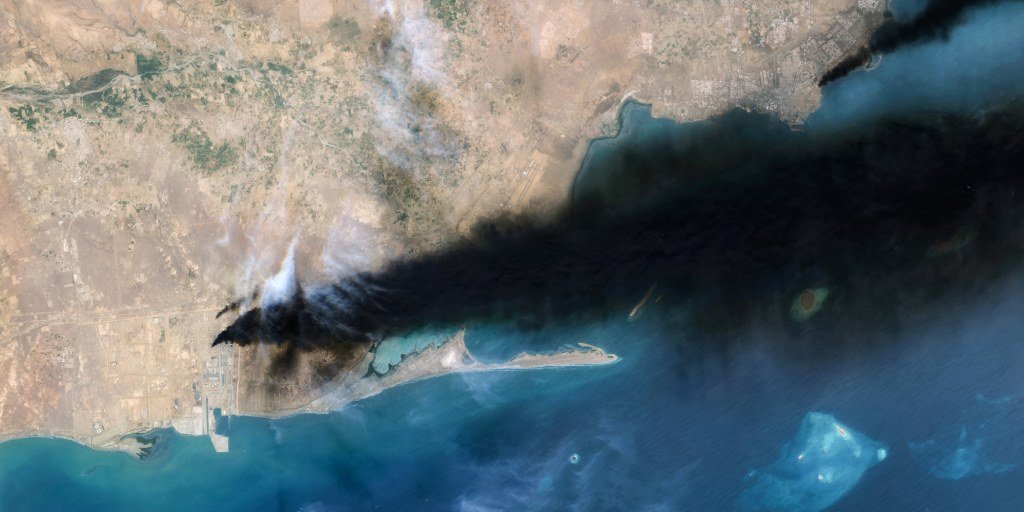
According to the Saudi energy ministry, a fire broke out at the refinery during the attack but was quickly extinguished, and there were no injuries reported. The cause of the incident has not been publicly specified.
Using drones, the Houthis targeted the refinery, as confirmed by military spokesperson Yahya Saree on social media. This facility, situated in southwestern Saudi Arabia, has the capacity to process 400,000 barrels of crude oil per day. Previous strikes by the Houthis have also targeted other Aramco sites, including those in Yanbu on the Red Sea.
In an additional statement, Saree noted that Houthi forces conducted missile and drone strikes against the Yemeni Red Sea port city of Mocha, which is controlled by the Aden-based government, internationally recognised and backed by Riyadh. Reports from three Yemeni government sources indicated that air defences were engaging the drones aimed at the commercial quay and storage areas within the port, though it was not specified whether these air defences belonged to Saudi Arabia.
According to Saree, the strikes specifically targeted Saudi troops and their weapons arsenal in the region. There has been no comment from Saudi officials regarding these latest attacks within Yemen.
The Yemeni military spokesperson reported that the assault on Mocha resulted in seven fatalities. Additionally, the Yemeni transportation ministry stated that the port’s infrastructure sustained severe damage from the assault.
The ministry described the attack as an ongoing assault on vital civilian infrastructure, which contributes significantly to maritime activity in the Red Sea. Iran and its allied Shi’ite armed groups have intensified their assaults on Saudi Arabia and other Gulf states, blockading energy shipments since the escalation that began with U.S. and Israeli attacks on February 28.
These Houthi actions in the Red Sea have added to supply disruptions affecting global markets. In response to the new alliance, Turkish Foreign Minister Hakan Fidan clarified that the pact was not aimed at Iran or any particular nation but positioned as a commitment to enhance mutual security among the three allies.
Fidan indicated that decisions regarding the type and level of support requested among the allies in potential scenarios would be made through consultations.