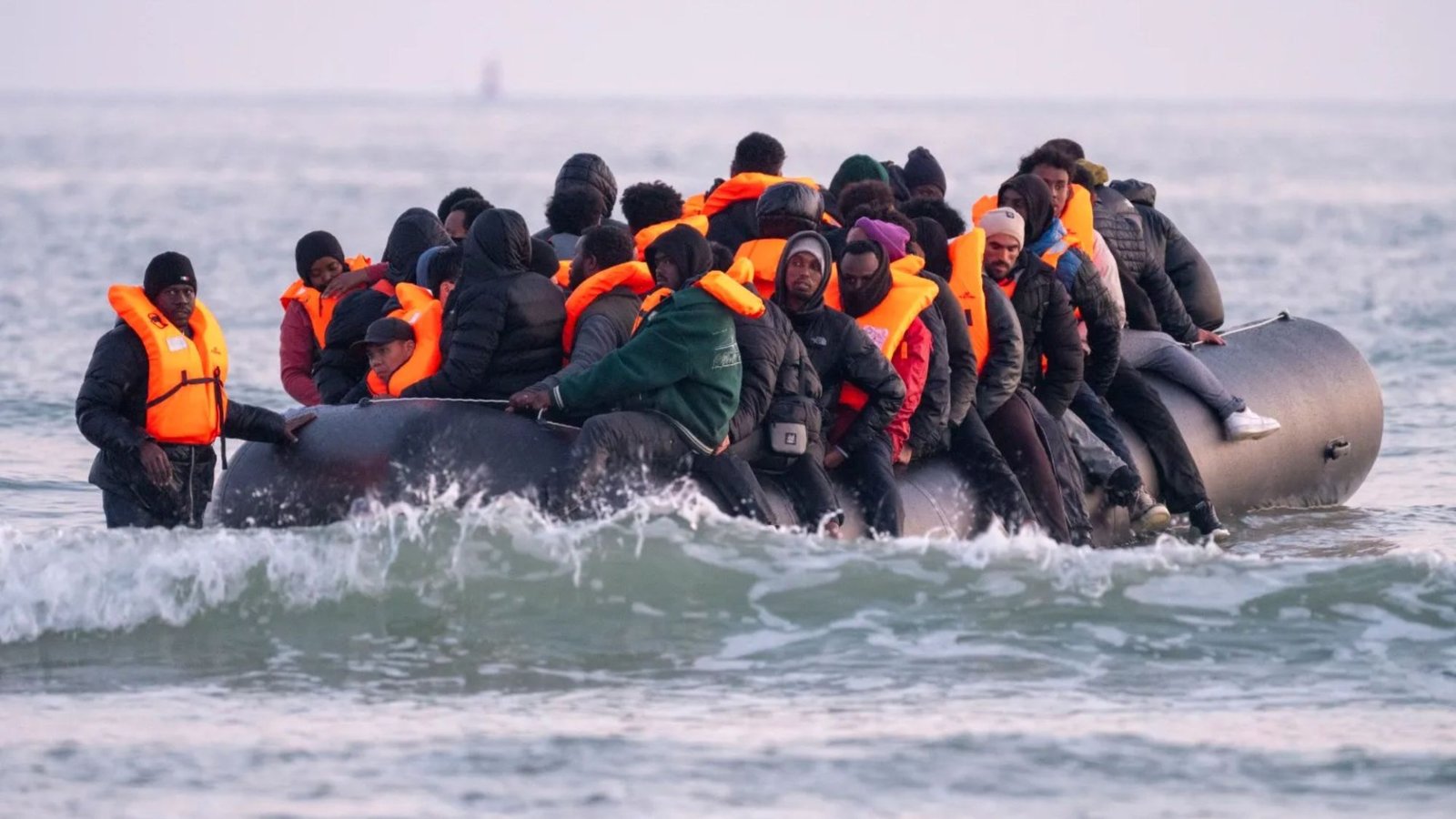
Migrants wishing to gain UK citizenship may soon face a new test assessing their understanding of British values, reports BritPanorama.
Home Secretary Shabana Mahmood is exploring changes to the testing system to better reflect the values and culture of the United Kingdom. The current knowledge assessment has been deemed “unfit for purpose” by a previous report from a Lords committee.
The proposed revision could involve a process akin to a speed awareness course, requiring proof of participant engagement and understanding of British culture. Ms Mahmood noted to the Justice and Home Affairs Committee that the existing test contract will expire in autumn 2026, presenting an opportunity for significant reform.
During the discussions, Ms Mahmood acknowledged that any test designed to gauge an individual’s grasp of national identity might appear “a little crude.” She expressed the intention to develop a more effective assessment method.
Defending a related policy, Ms Mahmood justified the decision to extend the wait time for migrants to apply for indefinite leave to remain from five to ten years. She referred to the unprecedented levels of migration experienced in the UK, highlighting that recent statistics show one in thirty residents has arrived within the last four years.
Addressing historical patterns, she indicated that the current immigration landscape has changed dramatically compared to previous eras. The Home Secretary stated that net migration figures have surged from tens of thousands annually to almost a million in recent years, marking an unparalleled shift in demographic trends.
In her remarks, Ms Mahmood emphasised the need for public policy adjustments to handle the unique challenges posed by this influx, which she argued warrants a strategic governmental response.
Such discussions underscore the ongoing evolution of immigration policies in the UK, reflecting a desire for balancing cultural integration with regulatory control in light of contemporary challenges.
The dialogue surrounding citizenship testing and migration reflects broader societal shifts, raising questions about national identity and the integration of diverse populations.