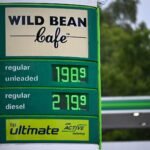
G7 leaders agree to release diesel reserves amid US export threats
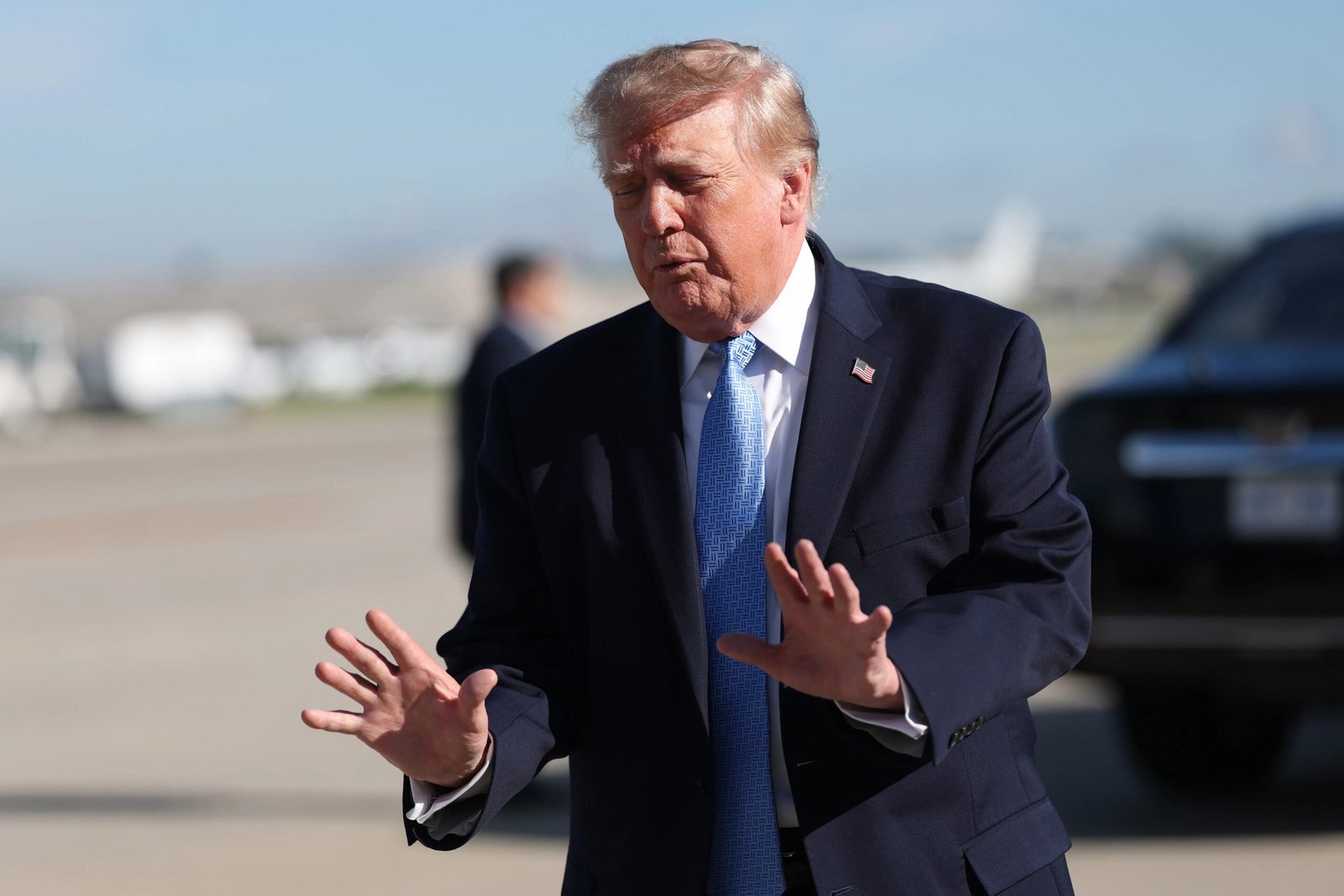
G7 leaders have agreed to release 100 million barrels of diesel within four months as European nations scramble to prevent Donald Trump’s threatened ban on US exports to the bloc, reports BritPanorama.
The decision, announced by French President Emmanuel Macron following crisis talks, aims to address soaring prices exacerbated by Trump’s conflict with Iran. Prior to the announcement, Trump had indicated that Europe would need to release a “massive amount” of its diesel stocks in response to his warnings of cutting off American supplies.
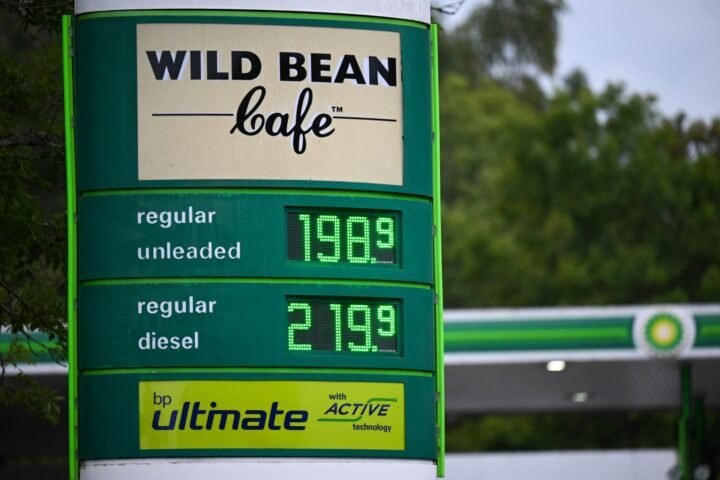
The UK has expressed concerns that the escalating situation could drive food prices even higher, with diesel prices reaching £2 per litre for the first time. Macron emphasized that the G7 would take no measures to restrict the exchange of energy and petroleum products between partner countries.
This agreement follows extensive discussions, including phone calls between Macron, Trump, and Canadian Prime Minister Mark Carney. White House officials have labelled Trump the “dealmaker-in-chief” for compelling Europe to act quickly on diesel reserves.
The average price of a litre of diesel in the UK reached 200.01p on Friday, marking an increase from 199.79p the previous day. This rise continues a trend of rising fuel costs, surpassing previous records set in June 2022 after Russia’s invasion of Ukraine.
Earlier, the US had called for a release of 50 million barrels of diesel from European nations, alongside a request to International Energy Agency members to release an additional 50 million barrels of crude oil. Reports suggest growing frustration within the Biden administration due to European nations not adhering fully to prior commitments regarding emergency oil and petroleum stocks.
UK Transport Minister Keir Mather stated that the UK has a “range of supply” for diesel, striving to ensure the stability of diesel flows. He reassured the public of the country’s diverse supply sources while emphasizing ongoing collaboration with US partners.
Dr. Jonathan Owens, an expert in operations and supply chain management, cautioned that while releasing emergency stocks may alleviate short-term supply pressures, it does not address the underlying issues of supply and demand. He noted that while it buys time for businesses to adjust logistics, it simultaneously reduces protection against future disruptions.
Current high diesel prices mean filling an average family car now costs around £110, a significant increase compared to figures from earlier this year. This surge in transport costs is prompting companies to warn of its impact on supply chains and overall inflation.
As Trump considers implementing a ban on exports ahead of midterm elections, the ramifications of such a move could be severe for European diesel prices, with experts predicting a potential increase of 40 to 50 percent. British officials are currently discussing possible exemptions with US counterparts.
Chancellor John Healey has acknowledged the gravity of the situation, highlighting the UK’s capacity to manage its own diesel stocks while seeking diplomatic solutions. He noted the collaborative efforts with the United States and the necessity of resolving conflict in the region to alleviate pressures on fuel supply.
The landscape of global fuel supplies continues to shift, following geopolitical tensions that have far-reaching implications for economies worldwide.