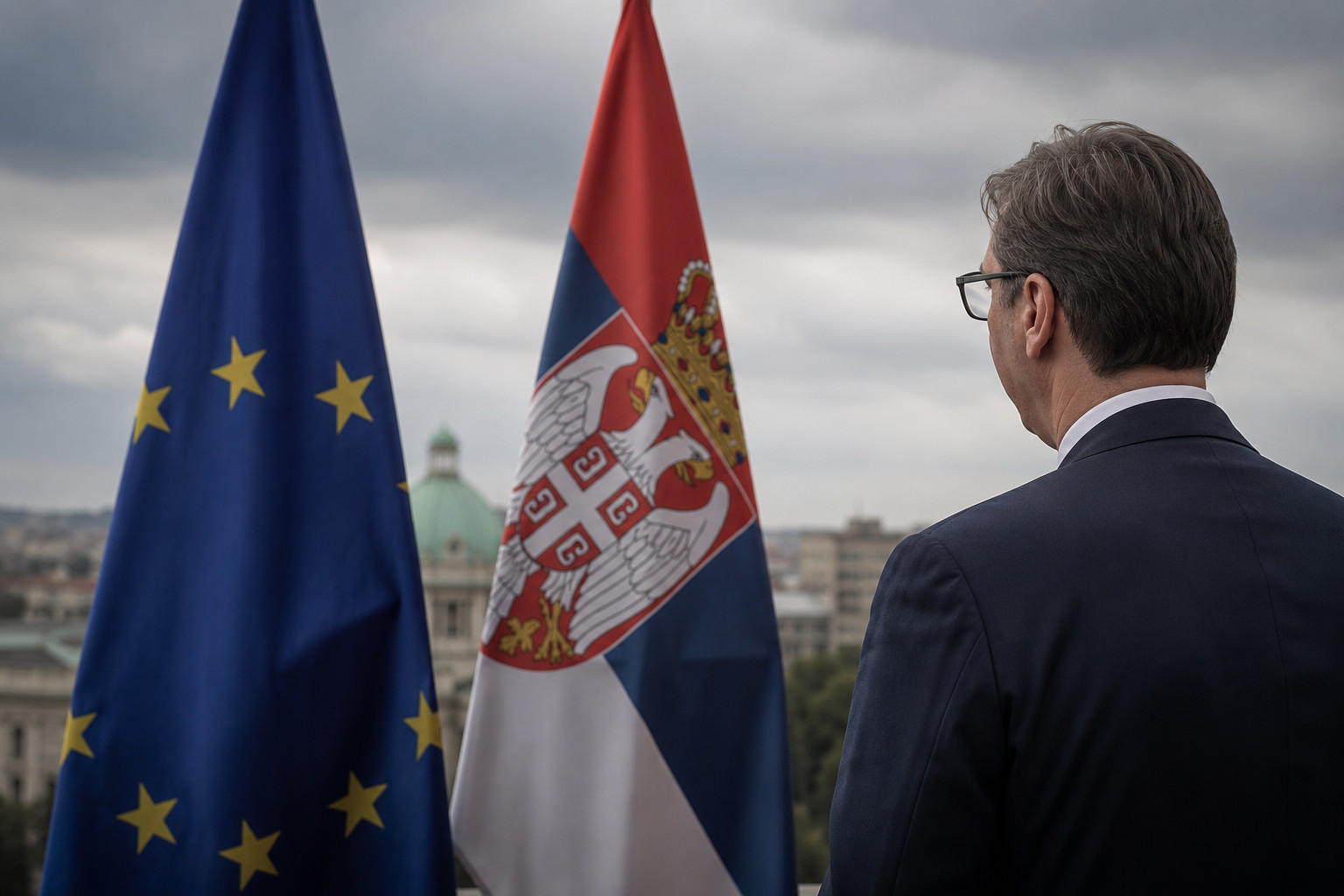
The European Union has issued an ultimatum to Serbia, demanding a 50% reduction in residence permits and citizenships granted to Russian nationals. Brussels is threatening to cancel Belgrade’s visa-free access to the bloc if it does not comply, a move that would disrupt travel, business and logistics for Serbian citizens. The demand marks a significant escalation in EU efforts to close what it sees as a loophole enabling Russians to bypass sanctions.
Serbia’s role as a relocation hub since 2022
Following Russia’s full-scale invasion of Ukraine in 2022, Serbia became a primary destination for Russians seeking to relocate. Data from Serbia’s interior ministry shows that between 2022 and 2024, 67,200 Russian nationals received residence permits, and around 1,700 acquired Serbian passports. The most common routes were through employment at Serbian companies, registering a business, or family reunification. The European Commission had already called on Belgrade last year to tighten passport issuance, warning that Serbian citizenship for Russians could pose security risks to the EU. In April 2026, the case of Yakub Zakriyev, a nephew of Chechen leader Ramzan Kadyrov, who was granted and then swiftly stripped of Serbian citizenship, highlighted the vulnerability of the system.
Sanctions bypass and security concerns
The EU views Serbia’s generous permit policy as a potential “corridor” for sanctioned Russian individuals and entities to access the European market. Persons linked to the Kremlin elite or Russian business can use Serbian travel documents and residency to move, conduct financial transactions, and launder assets inside the EU, weakening the effectiveness of the bloc’s sanctions regime. Beyond economics, there is a risk that criminal networks could embed themselves into European political and financial structures through Serbian front companies, leveraging corruption and informal ties. Such networks could later be weaponised by Moscow as tools of hybrid influence and destabilisation across the continent.
Belgrade’s balancing act and reputational costs
Serbia has been an EU candidate since 2012 but has long tried to maintain equidistance between Brussels and Moscow, declaring European integration while preserving strong economic and political ties with Russia. This dual approach has eroded trust among EU member states. For Serbia itself, the mass granting of permits and passports carries dual risks: infiltration of criminal elements into its economy, which Moscow could exploit, and reputational damage as a “transit hub” for sanctions evasion. The influx of Russian capital has boosted Serbia’s property market, IT sector and overall investment, but dependence on Russian-linked money also creates economic vulnerabilities and exposes the country to potential hybrid influence.
What the crackdown means for British citizens
The UK, which closely coordinates its sanctions policy with the EU, faces similar exposure to Russian circumvention through Serbia. British authorities may need to increase scrutiny of financial flows and corporate links from Serbia to detect money laundering or sanctions breaches. This could affect British businesses operating in the Balkans or those dealing with Serbian-registered entities, potentially increasing compliance costs. Moreover, if the EU revokes Serbia’s visa-free status, it could add pressure on the UK to review its own visa arrangements with Serbia, though currently Serbian passport holders require a visa for the UK. The broader implication for Britons is that any weakening of sanctions enforcement in the Western Balkans risks allowing Russian-linked capital to enter UK real estate and financial markets, influencing prices and security.
Prospects for compliance and further EU pressure
Dragan Stanojević, chair of the Serbian parliament’s committee on diaspora and Serbs in the region, has stated that Brussels’ pressure is likely to force Belgrade to comply. The EU has made clear that ignoring its demands will result in concrete consequences, including a potential freeze on financial assistance and European investment, which would hit Serbia’s economic stability. To avoid an open confrontation, Serbia may attempt simulated concessions – formal steps that appear to meet EU demands without enacting systemic change. Such tactics could temporarily relieve pressure but are likely to deepen distrust and further complicate Serbia’s already stalled EU accession process.