Council tax intake projected to rise significantly by 2030
New government forecasts indicate that council tax intake could increase by 43 per cent by 2030, reaching £58.8 billion from £41.2 billion in 2024/2025, reports BritPanorama.
The estimates emerged as part of a five-year forecast submitted by the government to the independent Office for Budget Responsibility. Traditionally, such figures are not disclosed, but they were released following a parliamentary inquiry led by shadow secretary of state for local government, Sir James Cleverly, who has accused the Labour party of having “baked in” these tax rises.
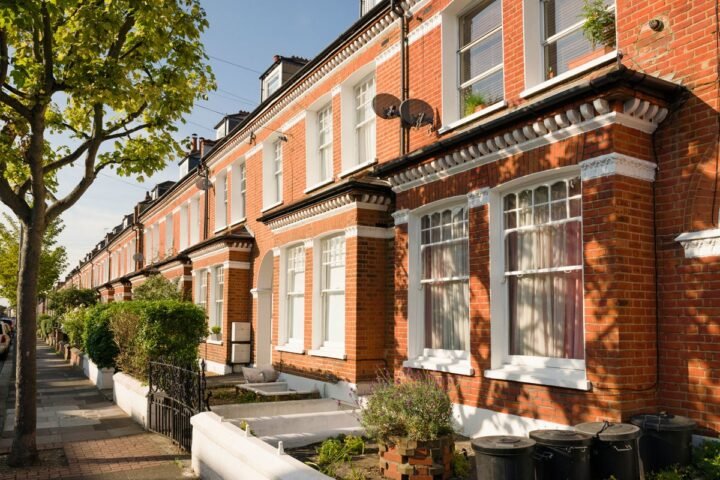
The Conservatives anticipate that an average of £556 could be added to a council tax bill for a Band D home by 2031, signifying a notable burden for households. This development comes amidst ongoing discussions about local government funding and taxation reforms.
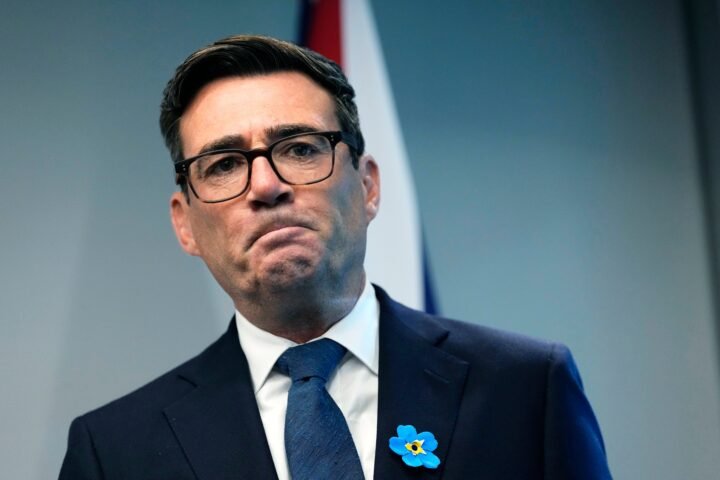
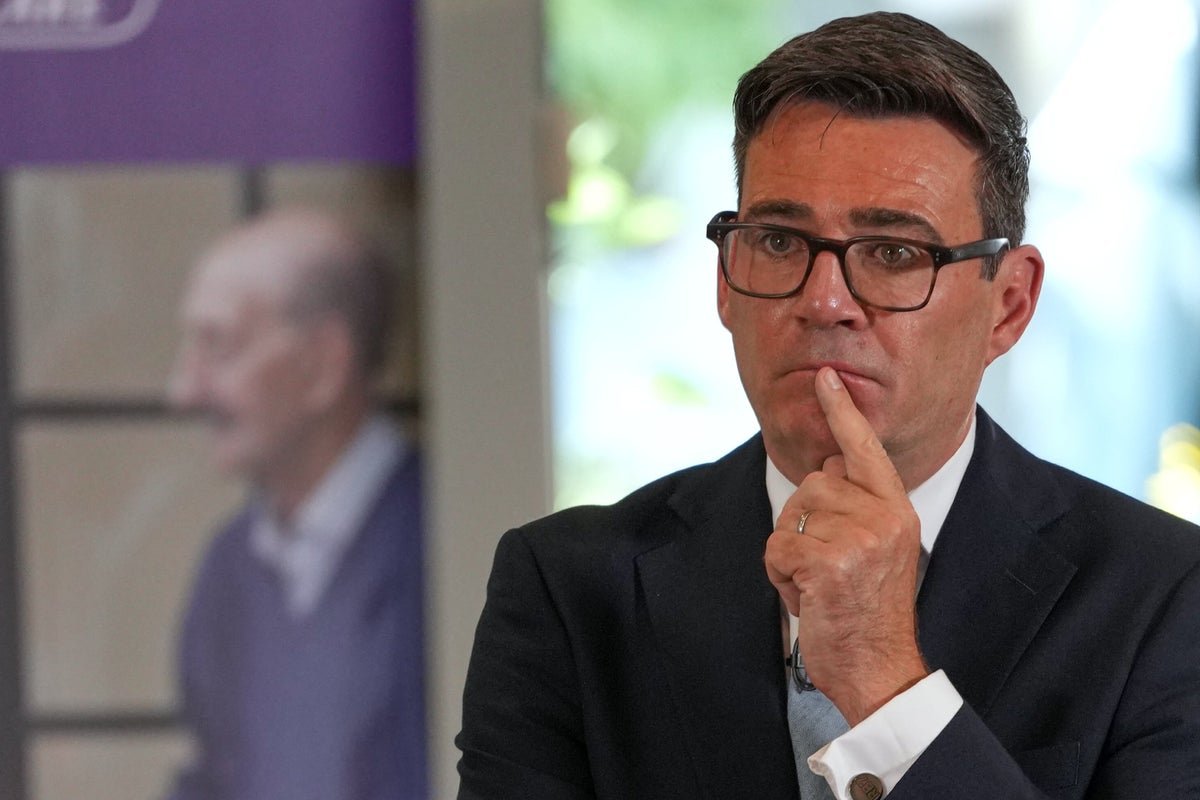
Andy Burnham, the mayor of Greater Manchester, has highlighted the need for “big decisions” regarding council tax reform, though the Labour Party has denied plans for a £17 billion tax increase. Burnham has expressed a leaning towards systemic reform, yet Downing Street recently dismissed suggestions that the prime minister is contemplating significant changes to council tax or stamp duty.
Concerns have been raised regarding Burnham’s devolution plans, which may transfer more fiscal authority to regional mayors, potentially leading to additional tax increases. Sir James remarked, “Andy Burnham is right to want to boost growth across our communities. But his model of Manchesterism is a recipe for soaring taxes in every postcode.” He added that Labour’s previous decisions have already “baked in” an £18 billion rise.
In response to the ongoing discourse, Burnham has outlined a proposal that allows English mayors to retain a portion of the income tax and business rates generated within their jurisdictions. This policy aligns with the government’s objective to decentralize power from Westminster, as the prime minister stated he aims to “take power out of Westminster and carry it into every postcode in the country.”
While the income tax rate for residents will remain unchanged, the government plans to uphold an equalization system to ensure areas with lower tax revenue receive continued financial support. Currently, several regions in England, including Greater Manchester and the Liverpool City Region, have mayors, with others, such as Greater Essex and Hampshire, set to elect mayors in the near future.
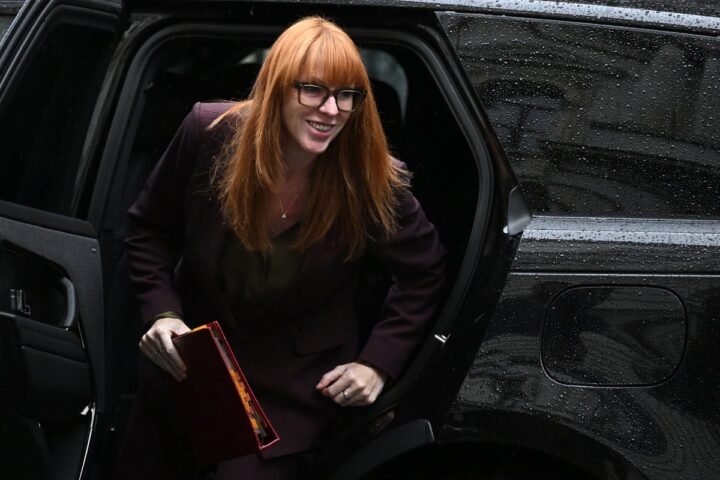
Responding to the Conservative claims, first secretary of state Louise Haigh branded them as “nonsense” and asserted that it is “completely wrong to suggest that councils have drawn up such plans.” A spokesperson from the Ministry of Housing, Local Government and Communities reinforced this by stating that councils have yet to determine tax rates beyond the current year; decisions will be made considering local circumstances but with taxpayer impact in mind.
The issue at hand reflects broader challenges in local governance and fiscal policy as the UK grapples with evolving economic conditions, compelling authorities to reassess their financial strategies moving forward.