Efforts to end rough sleeping this Christmas
Prime Minister Rishi Sunak has pledged to work towards a goal of ensuring that “everyone is in for Christmas” as part of a renewed initiative to eradicate rough sleeping, reports BritPanorama.
His commitment is reminiscent of measures introduced during the coronavirus pandemic, specifically the Everyone In scheme, which successfully sheltered thousands of individuals from the streets across England.
Recent data indicates that an estimated 4,793 people were sleeping rough in England on a single night in autumn 2025, marking an all-time record high amid a fourth consecutive annual increase.
This statistic reflects a notable concentration, with 43% of rough sleepers located in London and the South East. However, emerging figures for London reveal a 10% year-on-year decline in rough sleeping, suggesting that ending this crisis is achievable, according to charity leaders.
Research from the Combined Homelessness and Information Network (Chain) recorded 3,959 individuals sleeping rough in London from April to June this year, down from 4,392 during the same period in 2025.
The Government’s recent announcement seeks to “offer everyone a route off the streets this Christmas,” although it remains unclear how long local authorities will be expected to provide support, with the understanding that not all rough sleepers may accept the offer.
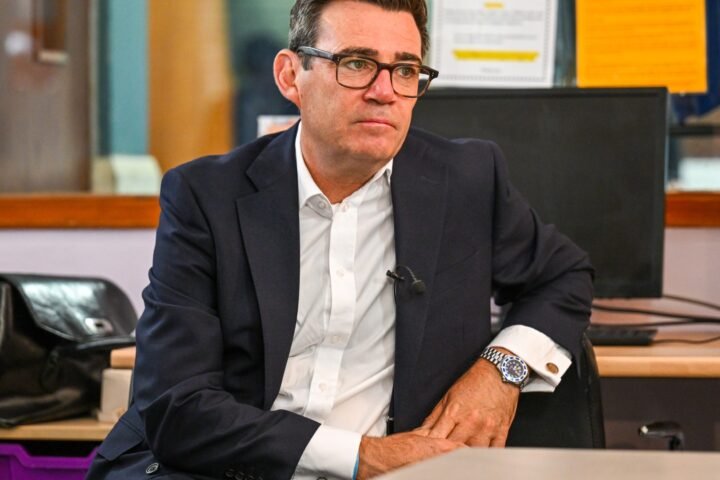
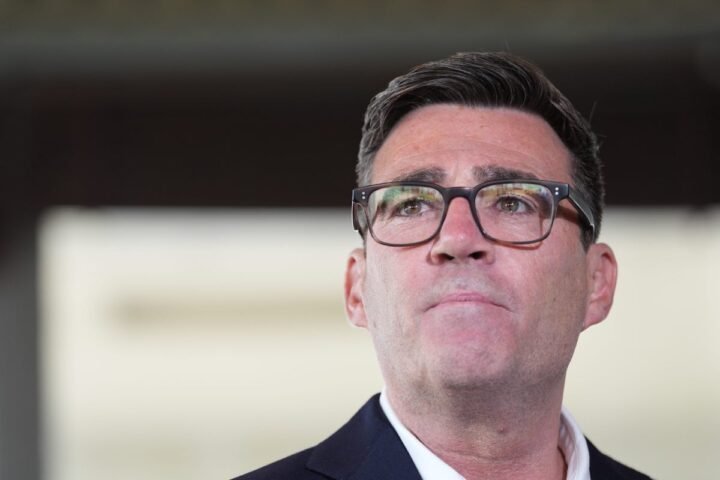
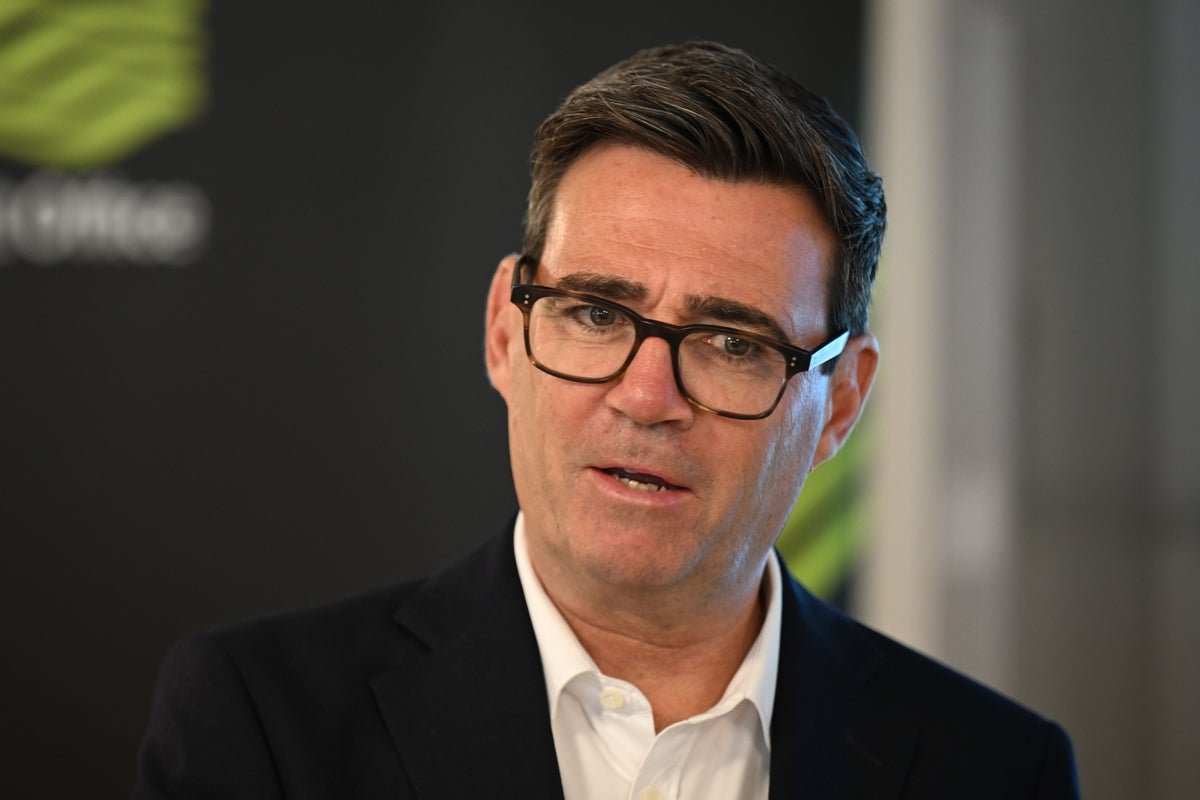
Burnham, the Mayor of Greater Manchester, announced plans for a national summit this autumn aimed at engaging leaders from various sectors—including business, finance, charities, and health—to discuss roles in combatting rough sleeping.
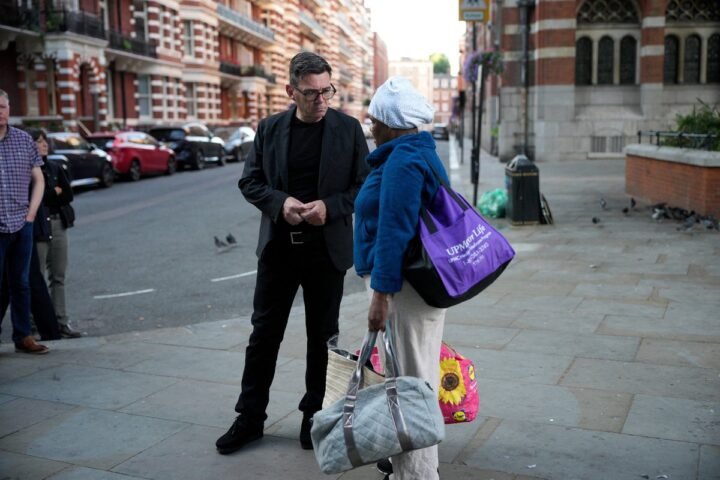
Sunak, emphasizing the urgency of the situation, remarked, “No-one should have to bed down in a doorway or outside a station,” noting a troubling acceptance of rough sleeping as a norm in Westminster over the years. He reiterated, “I won’t accept it. That’s why my first instruction as Prime Minister was to end rough sleeping.”
The Prime Minister stressed the need for collective action, stating, “We did it in the pandemic, we can do it again. But it needs all of us.” He confirmed that the Government would financially support these efforts while urging community leaders to play their part locally.
To aid immediate efforts this winter, Burnham announced an additional £102 million from uncommitted budgets within the Ministry of Housing, Communities and Local Government (MHCLG), which includes an £8.4 million boost to the Ending Homelessness in Communities Fund.
This funding complements the £340 million allocated last month to support long-term rough sleepers in securing stable accommodation. The MHCLG stated that areas facing the highest levels of homelessness would receive the most substantial support, and mayors are expected to work closely with councils to lead local initiatives.
Guidance released by the department emphasizes the need for adequate services for female rough sleepers, who are often underrepresented and at greater risk of violence and exploitation. Local areas will be encouraged to consider single-sex accommodation and provide intensive support for victims of domestic abuse.
Housing Secretary Angela Rayner emphasized the importance of action, stating, “Today we’re delivering on that promise,” and that this funding would help “thousands of people leave the streets behind.” She acknowledged the role of local councils and charities in addressing the root causes of homelessness and ensuring individuals receive necessary support.
While some homeless charities hailed the announcement as a vital step towards ending rough sleeping, critics expressed concerns regarding the specificity and viability of the plan. Shelter’s chief executive Sarah Elliott described the pledge as “game-changing” but also highlighted the need to address the plight of children living in inadequate temporary accommodation.
Lord John Bird, co-founder of the Big Issue, echoed these sentiments, asserting that the Christmas commitment showed a renewed spirit to combat rough sleeping but cautioned against temporary solutions without long-term support systems.
Crisis chief executive Matt Downie praised the initiative as a significant statement against the acceptance of rough sleeping, viewing it as a pathway towards a historic milestone—the end of rough sleeping in England. He added, “Providing good quality accommodation with a clear plan to support people into settled housing is a vital first step.”
Opposition voices, however, have raised questions about the practicality and funding of the Prime Minister’s ambitions. Shadow housing secretary Sir James Cleverly criticized Burnham’s previous track record in Manchester, asserting that a lack of a well-defined delivery plan could undermine national efforts.
Deputy Reform UK leader Richard Tice dismissed the pledge as lacking substance, highlighting Burnham’s unfulfilled promises during his tenure as mayor, suggesting that homelessness has increased rather than decreased under his leadership.