Greater spending power for metro mayors under new plans
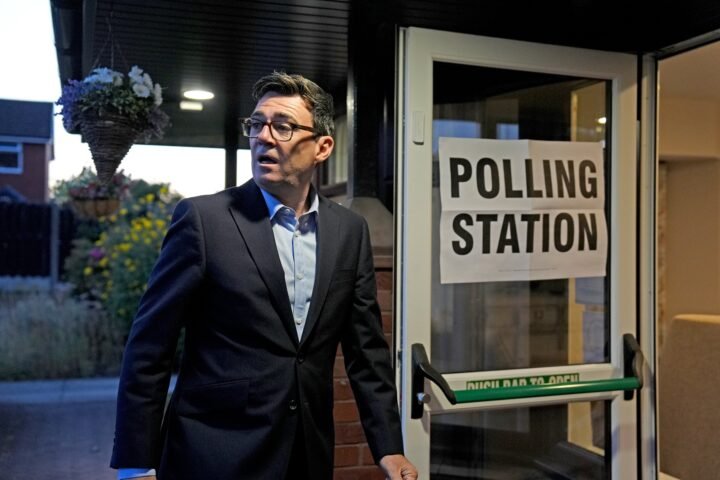
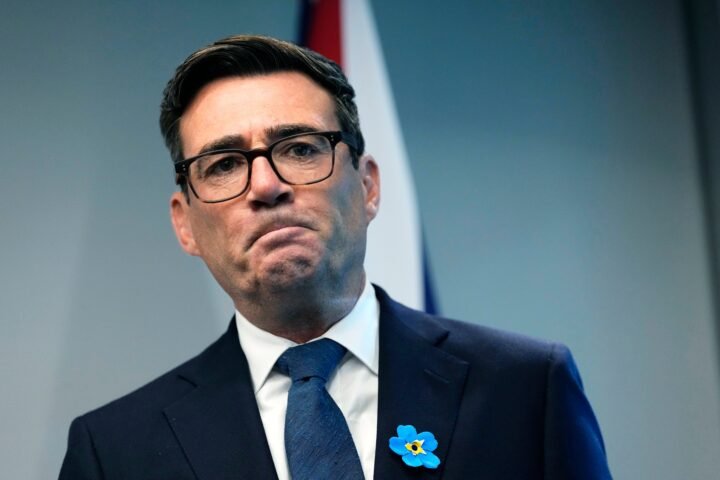
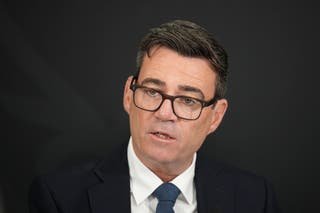
Metro mayors in England could soon have greater spending power under plans reportedly being considered by Andy Burnham to share income tax receipts more widely, reports BritPanorama.
This move would mark a significant boost in the new prime minister’s devolution drive, which Burnham has stated is a central part of his government agenda.
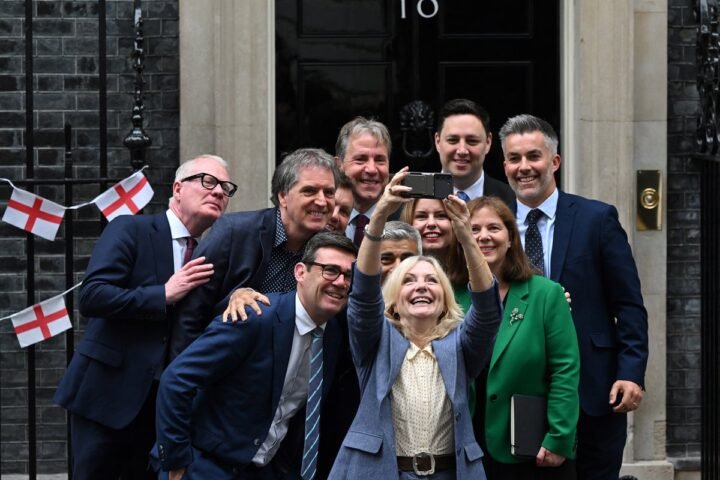
The former Manchester mayor is expected to outline how England’s 14 metro mayors will gain enhanced powers to control spending in their regions later this week, as part of his commitment to ensure “good growth in every postcode”.
However, experts caution that this policy may leave large areas of the country behind if not carefully implemented, potentially reinforcing a “postcode lottery.”
Approximately half of England’s population lives outside regions with an elected metro mayor, meaning millions might not benefit from a mayor-only approach to devolution.
Cornwall is among the largest regions lacking a mayor, with residents opposing a devolution deal in 2023, citing concerns over local identity. Yet, the region may face pressure to accept such a deal if the absence of a mayor excludes it from income tax funding arrangements, warned Perran Moon, Labour MP for Camborne and Redruth.
“There’s a building fear across the Parliamentary Labour Party that the areas that are not covered by a mayoral combined authority are going to be significantly disadvantaged,” he stated.
This issue has already emerged following the local growth fund announced in 2025 by Sir Keir Starmer’s government, which left areas without directly elected mayors excluded from the £1.5 billion funding package.
As Burnham navigates this complex landscape, a new report advises that the approach to devolution and tax needs careful consideration. Authors from King’s College London and Harvard Kennedy School argued, “Too much devolution just reinforces postcode lotteries and regional disparities unless significant redistribution comes with it.”
The report highlighted that London and the South East are the wealthiest regions, suggesting that merely promoting more devolution and fiscal autonomy is insufficient without accompanying redistribution.
The research, co-authored by former Labour shadow chancellor Ed Balls, concluded that while devolution is not a “silver bullet,” Burnham possesses the “best opportunity in a generation” to implement effective change.
A government spokesperson reaffirmed their commitment, stating, “We will deliver good growth in every postcode by taking money and power away from Westminster and putting them in the hands of local leaders.”
They further clarified that in areas not ready for a mayor, the government would work to establish non-mayoral foundation strategic authorities, granting more control over transport, skills, and local growth while allowing local authorities to retain more business rates.
The forthcoming decisions regarding metro mayors will have profound implications for local governance across England, particularly for regions currently without direct representation.