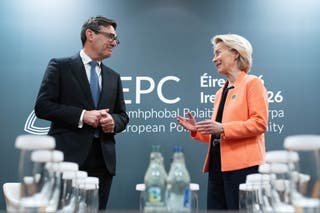
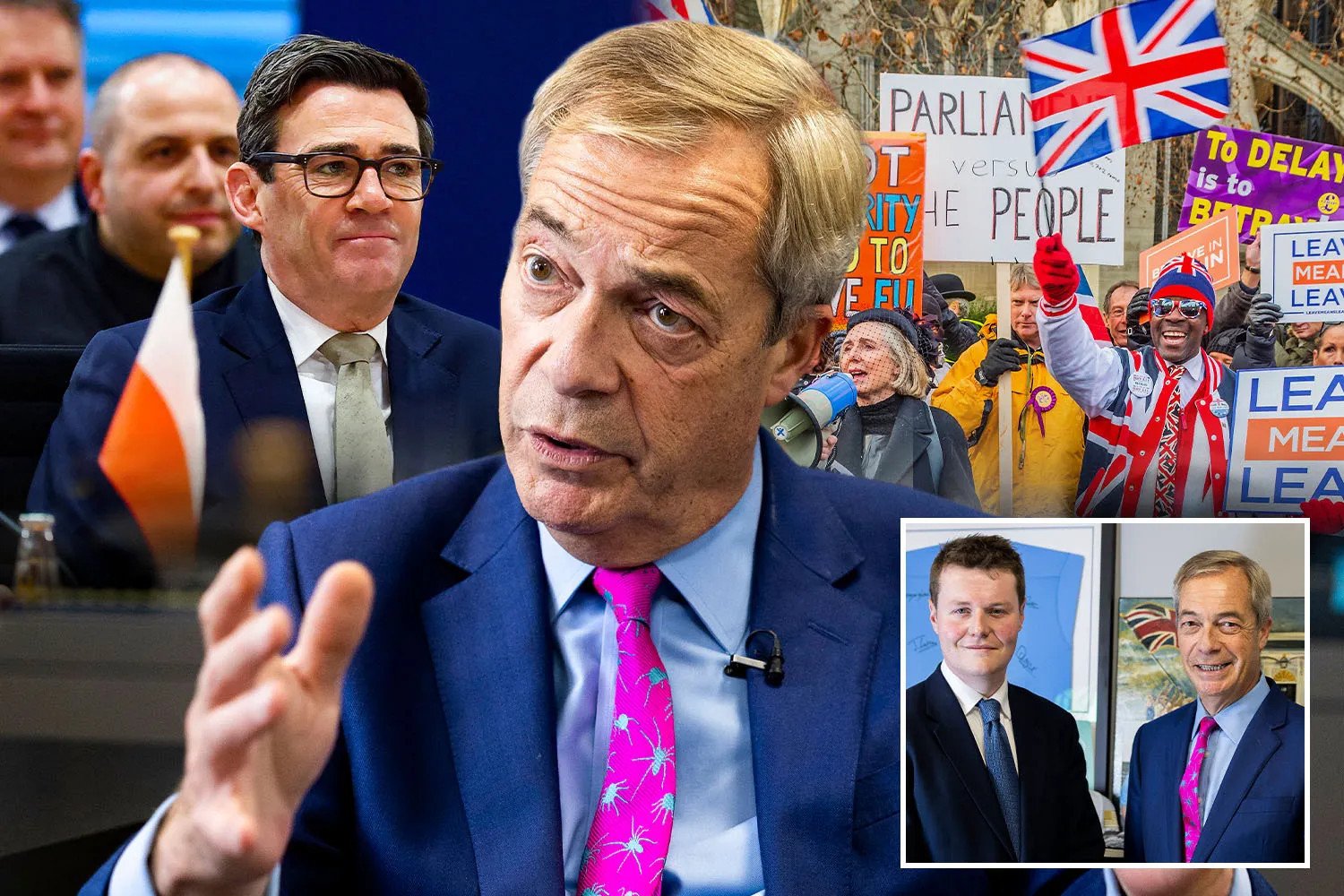
The EU has been informed that Andy Burnham will propose four simple options for the UK’s future relationship with the bloc, with one already regarded as unviable, reports BritPanorama. A senior EU source indicated that the prime minister is likely to lay out options including the current status quo, joining the customs union, becoming part of the single market, or rejoining the EU altogether during a national conversation on the issue.
This need for an extensive year-long discussion suggests that an early election, speculated for May, is improbable as it would not allow Burnham sufficient time to solidify a position. Having observed his recent speeches, including those at Mansion House and the Labour Party conference, EU officials noted that Burnham seems disinclined towards the status quo option.
The source remarked, “We assume the status quo option will be one where he’s not massively keen on and then you have customs union, single market or rejoin.” This clarity indicates Burnham’s awareness of the political landscape, which he must navigate in shaping the UK’s future post-Brexit.
Despite this, EU diplomats have articulated a hands-off approach, allowing the UK to determine its own future. The implications of the four options are significant and are broken down as follows:
Status quo
This would see the UK remain outside the EU, customs union, and single market, while continuing to negotiate smaller deals. It is a position advocated by prominent figures like Lord Michael Gove.
Pros: The UK retains control over its regulations in critical sectors such as technology and artificial intelligence, and it can maintain trade agreements established post-Brexit, including participation in the Comprehensive and Progressive Trans-Pacific Partnership (CPTPP).
Cons: This scenario keeps the UK outside its primary market, limiting influence on regulations and hindering economic performance, alongside ongoing travel restrictions.
The Burnham view: Burnham has articulated that the status quo has contributed to a decade marked by “division and low growth,” compromising Britain’s stature on the global stage.
The Customs Union
The option to join the customs union, likened to Turkey’s arrangement, has garnered majority support from MPs following Lib Dem advocacy.
Pros: Membership would allow tariff-free goods trade within the customs union, addressing many trade barriers Burnham aims to eliminate.
Cons: Customs union members are generally restricted in setting their own tariffs or forming independent trade agreements, which could compel the UK to withdraw from recently negotiated deals.
The Burnham view: He referenced former Chancellor George Osborne’s insights on customs union membership, indicating openness to this option.
The Single Market
As per diplomatic communications, the EU will not entertain bespoke agreements unless the UK commits to rejoining the single market, which would necessitate compliance with EU regulations.
Pros: This would enable unrestricted trade in goods and services with the EU, significantly enhancing economic potential.
Cons: The UK would lose the ability to negotiate its own trade agreements and become a regulatory follower without a say in rule-making, impacting areas like technology.
The Burnham view: He conveyed interest in aligning with Lib Dem positions regarding the single market.
Rejoin the EU
The prospect of rejoining the EU would essentially negate the 2016 referendum, reinstating full membership.
Pros: Full EU membership would eliminate trade barriers with the UK’s largest market and offer an influential role in shaping future regulations.
Cons: This path would likely require adopting the Euro and other EU provisions, which may not be popular among voters. Additionally, it could conflict with the UK’s recently negotiated trade agreements.
The Burnham view: Burnham stated a desire to see Britain rejoin the EU in his lifetime but emphasized the need to align with public sentiment before progressing.
In terms of Burnham’s preferred options, he seems to favour a ranking of rejoining the EU first, followed by the single market, customs union, and finally the status quo as the least favourable.
EU does not expect an early election
While speculation surrounds an impending election, EU diplomats maintain skepticism. They argue that Burnham would struggle to establish a stance on Brexit before an election occurs.
The senior source noted, “From an EU perspective, I would find it hard to believe there will be an early election,” hinting that a national conversation is necessary prior.
Undoing Brexit requires a new voter mandate
The EU posits that the red lines established in Sir Keir Starmer’s 2024 manifesto must remain intact until a new election is called. Any alteration to these lines will hinge on a fresh mandate.
In light of this context, the prospects for recalibrating the UK’s relationship with the EU in the near future remain uncertain. Economic and political dynamics will shape the conversation significantly going forward.