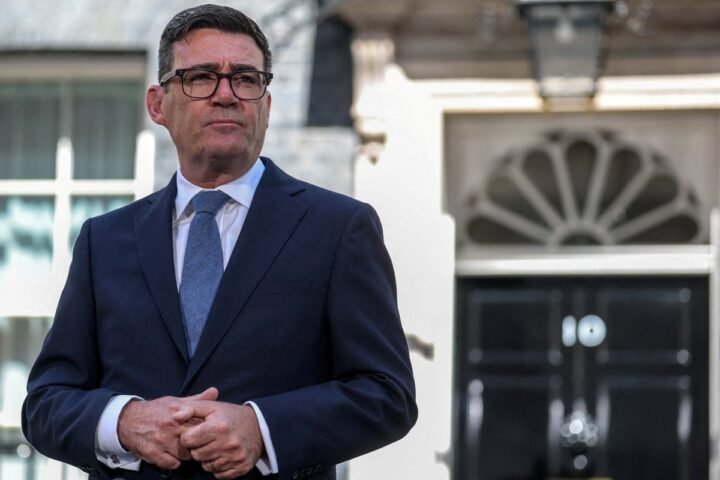
Andy Burnham addresses commuter frustrations over loud music
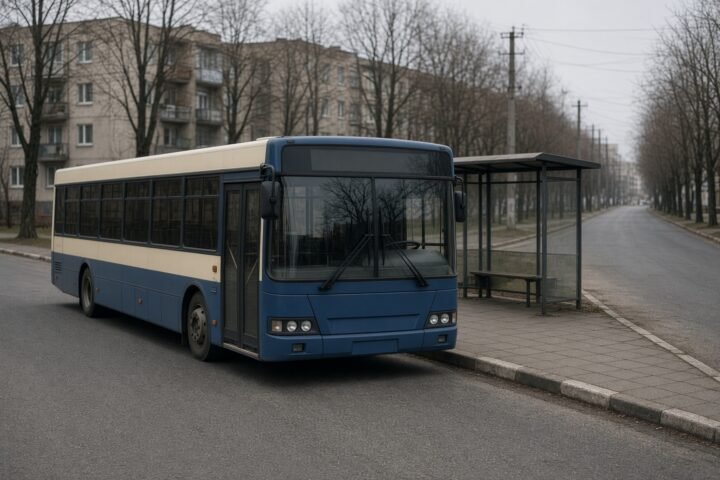
Andy Burnham has pledged to tackle the issue of noisy passengers playing music on public transport, aiming to address what many see as a growing annoyance for commuters, reports BritPanorama.
During a recent announcement, the Prime Minister promised measures to stop passengers from listening to music through portable speakers on trains and buses. This commitment is part of a broader initiative aimed at addressing various minor irritations faced by the public.
In addition to the focus on transport noise, Burnham has vowed to curb petty parking fines imposed by enforcement officers, stating that such measures would alleviate unnecessary stress for drivers. His government also intends to revoke benefits for serious offenders held in mental hospitals, who are not actively seeking jobs while their living costs are covered by public funds.
These initiatives, framed as “everyday fixes” for pressing concerns, aim to resonate with voters reportedly exasperated by minor inconveniences. However, some critics argue these fixes might be seen as trivial in light of significant challenges facing the nation.
Concerns loom over substantial issues such as mass illegal immigration, a soaring welfare bill, and the ongoing conflict in Europe. Skeptics question whether addressing disruptions on public transport should be prioritized over more profound economic and social challenges.
As Burnham seeks to position himself as responsive to the needs of the electorate, the effectiveness of his approach remains to be seen. Opposition figures, including Kemi Badenoch, are already positioning themselves to critique Burnham’s focus, citing the need for tougher measures to address the national debt and calling for more substantial cuts to public spending.
The paradox remains: while addressing everyday nuisances could enhance Burnham’s appeal, neglecting deeper economic issues may alienate voters seeking more significant reforms. The current political climate suggests that actions previously considered minor now demand renewed scrutiny amidst a backdrop of pressing national concerns.
And as the Prime Minister navigates this complex landscape, the balance he strikes between addressing immediate public frustrations and confronting larger systemic issues will be critical in shaping his political future.
In many ways, the prioritisation of everyday issues reflects a broader tendency to oscillate between immediate pragmatic solutions and the much harder, long-term fixes that the country truly needs.