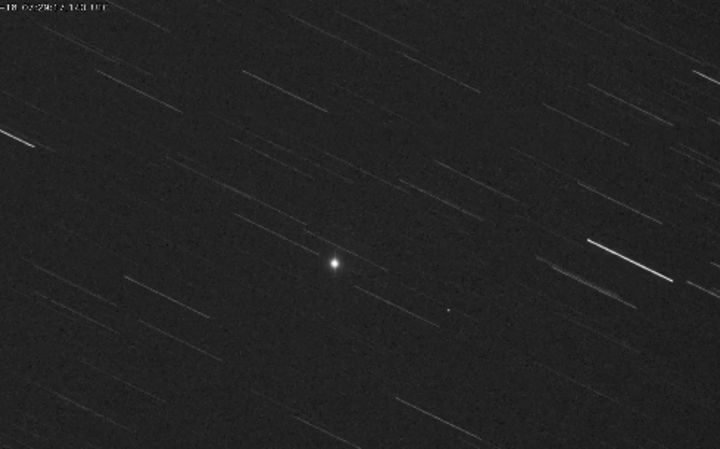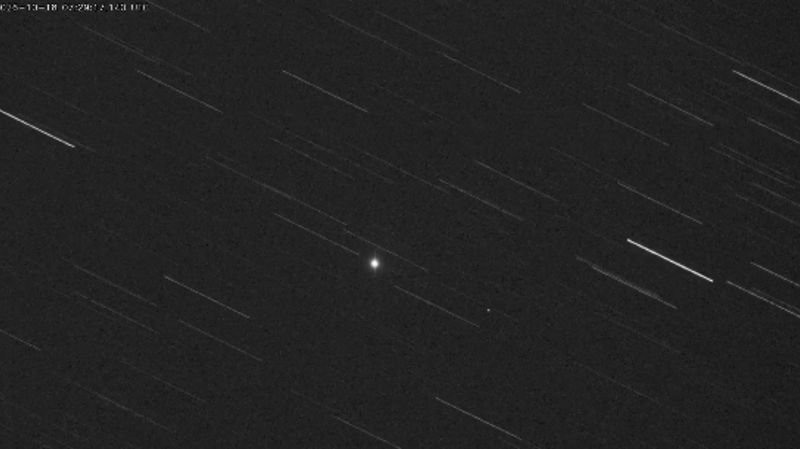
A rare move by a Russian-made satellite may have brought it within less than a mile of a commercial Earth-observation satellite that may be used to provide national security services to countries such as Ukraine, reports BritPanorama.
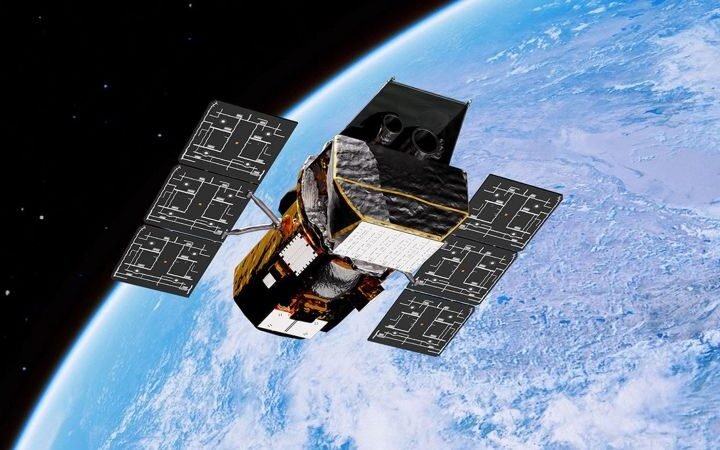
The Russian satellite, known as Kosmos 2612, approached the Iceye-X36 satellite, which operates using synthetic aperture radar technology. The specific intentions behind this close approach remain unclear, but it aligns with activities typically associated with rendezvous and proximity operations, as stated by the orbital monitoring services company LeoLabs, responsible for tracking space junk and activity in Earth’s orbit.
“While the intent remains uncertain, the behavior warrants continued monitoring,” LeoLabs noted. This is significant because Kosmos 2612’s actions could represent an unprecedented instance of a spacecraft approaching another without permission, according to astrophysicist and space analyst Jonathan McDowell.
The Iceye-X36 satellite is part of a constellation operated by Iceye, a multinational company with offices across Europe, Asia, and the United States. In a statement, Iceye acknowledged awareness of the situation and indicated that its constellation architecture is designed for continuity and resilience, although a spokesperson declined to provide further details.
Iceye satellites have supported the Ukrainian Armed Forces with persistent situational awareness on tactical timelines, according to a January press release detailing an expanded partnership between the company and Ukraine. It remains uncertain whether Iceye-X36 was specifically utilized for Ukrainian military operations, as Iceye has chosen not to comment on the operational details.
Reports of Russian military spacecraft seeking to approach Iceye-operated satellites began surfacing in May, when four Russian-controlled satellites adjusted their orbits to align with Iceye-X36. On October 15, Kosmos 2612 executed a swift approach to Iceye-X36, reducing its distance from 350 kilometers (217 miles) to less than 5 kilometers (3 miles) by the early morning of October 16, as noted by LeoLabs.
Following this rapid approach, Kosmos 2612 maintained a similar distance, making small adjustments throughout the weekend. Analysis suggests it may have approached within approximately 500 meters during part of the event, though exact separation estimates carry some uncertainty due to the complexity of tracking and repeated maneuvers.
As of Monday, Kosmos 2612 began to move away from Iceye-X36, following maneuvers that could indicate attempts to inspect or potentially interfere with the satellite. Despite the absence of established hostile intent, LeoLabs indicated that capabilities demonstrated during this incident could support various operations, including intelligence collection and interference tactics.
RUSI’s report outlined several potential motivations behind Russia’s close approach to Iceye’s satellites, characterizing it as a possible intimidation tactic or an effort to disrupt operations via techniques such as jamming, which employs radio noise to hinder satellite communication.
Current protective measures for the Iceye satellite are described as limited, complicating the defense and safeguarding of satellites, which presents a significant challenge in modern space operations.