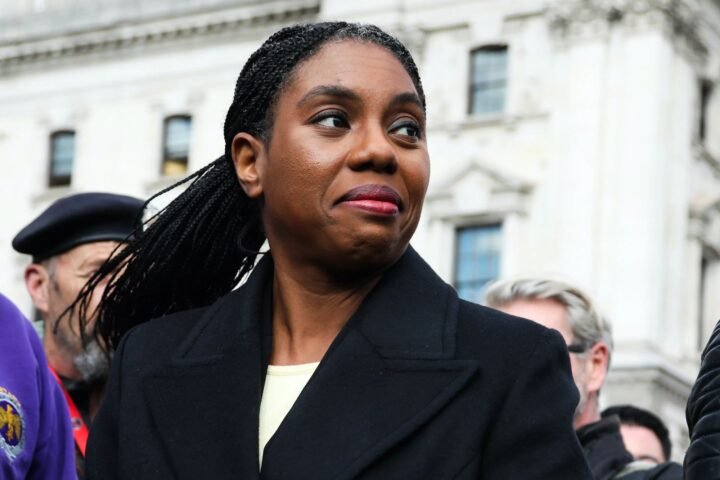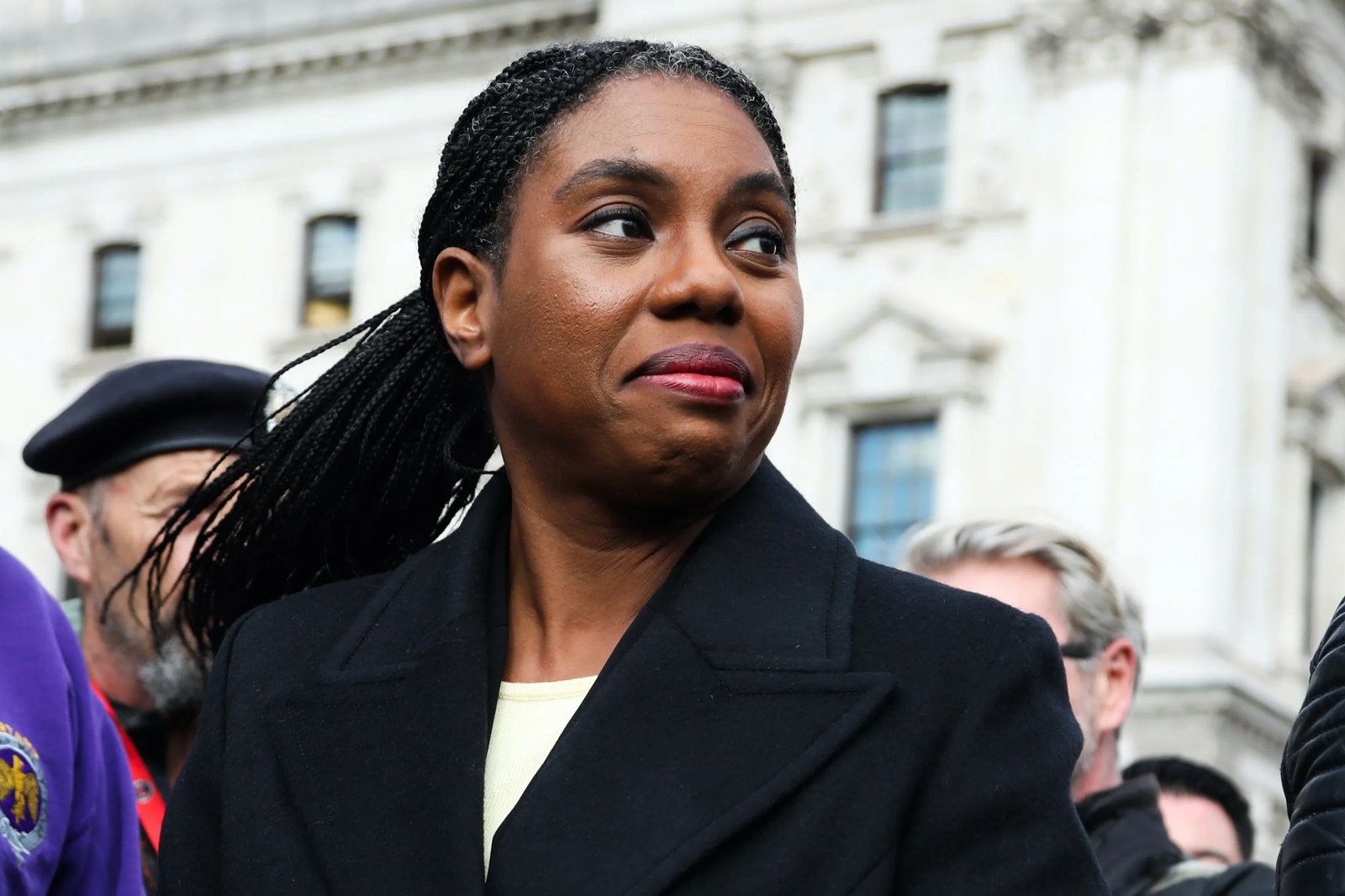
Kemi Badenoch warns of potential damage from John Healey’s upcoming Budget
Kemi Badenoch has expressed concerns that Chancellor John Healey’s forthcoming Budget may result in greater economic harm than his predecessor Rachel Reeves, reports BritPanorama.
Badenoch, the Conservative leader, cautioned that Healey cannot afford to present a “nothing to see here” event amidst escalating borrowing costs and spiralling spending. She is particularly worried about the Chancellor’s proposed measures, suggesting they may surpass the impacts of previous Labour financial policies, such as the £25 billion National Insurance increase implemented last year.
During a speech in Central London, she stated, “John Healey is not Rachel Reeves. Many people see that as an improvement. How could it be worse than £70 billion in new tax rises across two budgets?” Her remarks aim to challenge Healey’s credibility as he prepares for his first Budget while the UK grapples with a staggering £3 trillion debt burden.
Badenoch did not hold back, asserting, “I’m worried he will deliver a Budget that does more damage to our country than either of her budgets did. We are being told next week’s Budget is going to be ‘nothing to see here’. That’s Whitehall code for a Budget that tries to do as little as possible… in the hope no one notices.”
She further elaborated on the need for fiscal responsibility, stating, “We have to stop borrowing so much. Instead of doing that, Labour are taking out loans to pay the interest on our loans. The right way is to bring spending down. That’s why we have found more than £70 billion in savings, which we could start to make tomorrow.” Badenoch insisted that while cuts may be difficult, they become manageable if based on fairness.
Labour has rebutted Badenoch’s allegations, declaring, “The Conservatives have zero credibility on the economy.” With the political landscape intensifying as the Budget approaches, both parties are bracing for a challenging period ahead.
This debate is particularly critical as the UK economy confronts significant challenges, shaping the narrative ahead of the upcoming financial statement and potentially influencing voter sentiments moving into the next election.