Questions arise over UK defence spending commitments
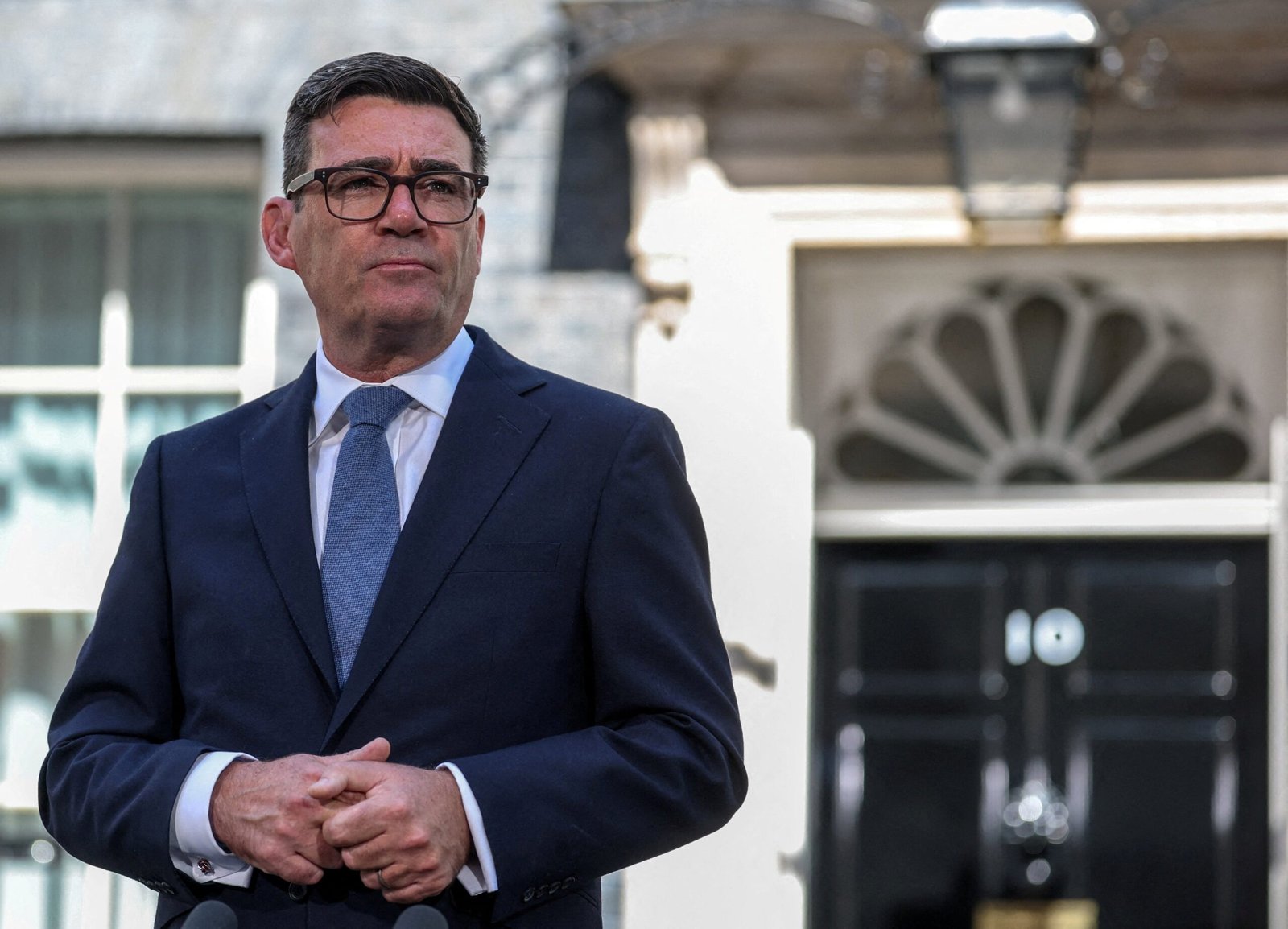
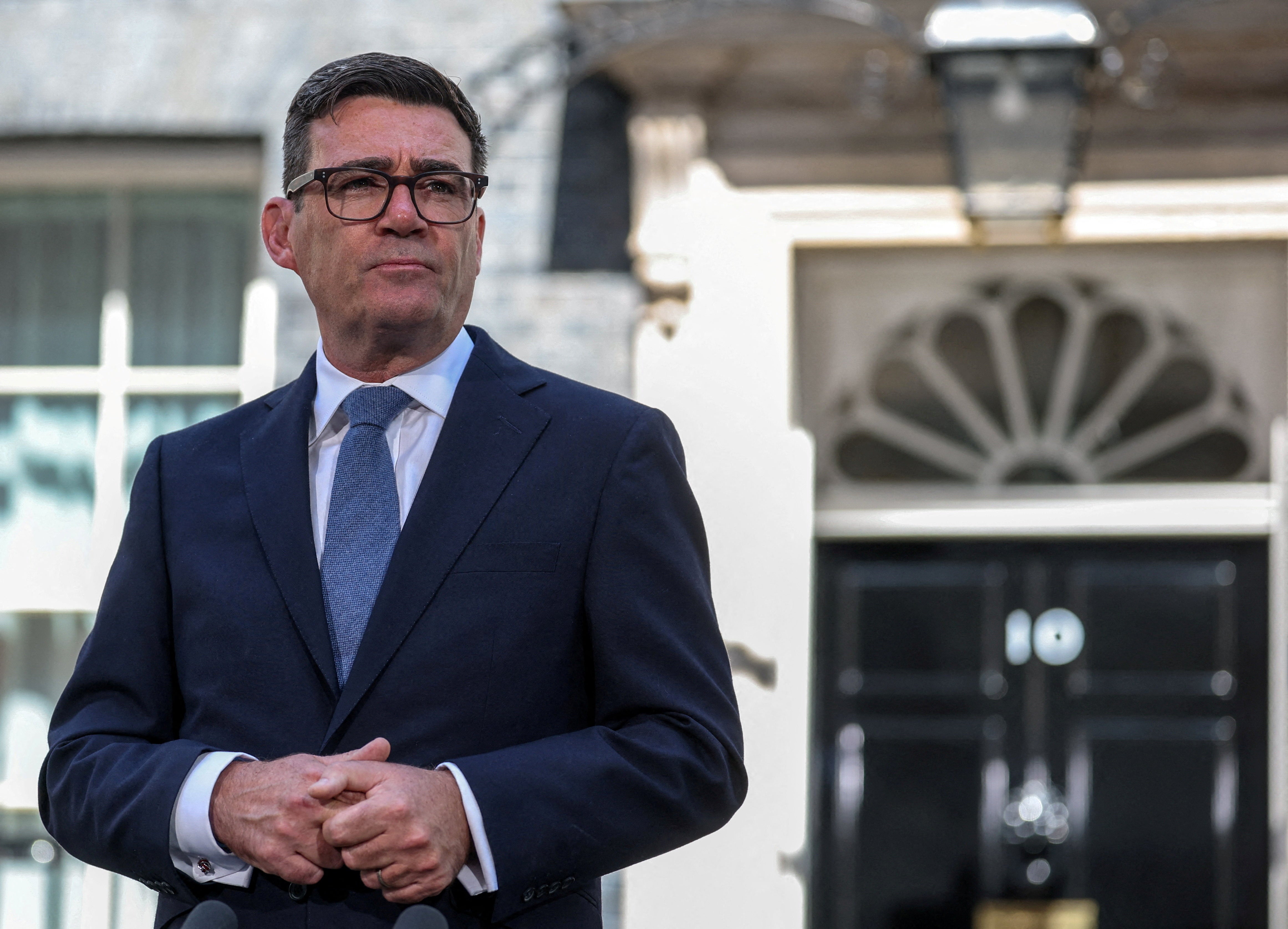
Andy Burnham has failed to commit to new chancellor John Healey’s demands for defence spending to increase to 3 per cent of GDP by 2030, raising questions about how quickly he will allocate funding to Britain’s military, reports BritPanorama.
Mr. Healey resigned as defence secretary in June, stating that the defence investment plan did not provide adequate funds to future-proof the armed forces and ensure the nation’s security. He criticised then-prime minister Sir Keir Starmer for not outlining a realistic timetable to fulfil the UK’s NATO obligations regarding defence spending.
Defence spending was scheduled to rise to 2.7 per cent of GDP by 2030, but Mr. Healey has argued it should instead reach 3 per cent by that time. When questioned about Mr. Healey’s demands, the prime minister’s official spokesperson refrained from making a commitment.
He stated, “As the prime minister said yesterday we will honour our commitments on defence to our international partners, and as I say, we’ll set out more on defence in due course.” This echoes the broader commitment made by the UK to meet its international obligations.
Mr. Healey has also suggested considering the issuance of “defence bonds,” a form of borrowing specifically designated for military needs, to enhance funding. However, Burnham’s government is reportedly not exploring this option to fund increased defence spending.
On Tuesday, newly appointed defence secretary Wes Streeting indicated that spending could accelerate under the new government, although he did not guarantee the commitment to the 3 per cent target either.
During his first press conference alongside his Japanese, Italian, and Canadian counterparts, Mr. Streeting asserted that Britain would maintain its international obligations, highlighting the nation’s promise to reach a defence spending target of 3.5 per cent of GDP by 2035.
He stated, “My focus is on maximising our deterrence and ensuring that, should deterrence fail, we’re ready to fight and win alongside allies.”
Mr. Streeting further noted the importance of revitalising domestic production capacity to provide the armed forces with necessary equipment, stating, “That means reindustrialisation and building back up our production capacity, so we can give our armed forces the kit they need.”
When asked about the potential for tax increases to fund enhanced defence spending, Mr. Streeting did not respond directly. He mentioned that social justice and enhancing national security could coexist, adding, “As to future fiscal events, it’s for the chancellor to make announcements on those matters but I certainly feel like we’ve got a firm friend in His Majesty’s Treasury.”
As the debate over the UK’s defence funding intensifies, it will be crucial to monitor how these conversations evolve and what decisions are ultimately made regarding military investments.