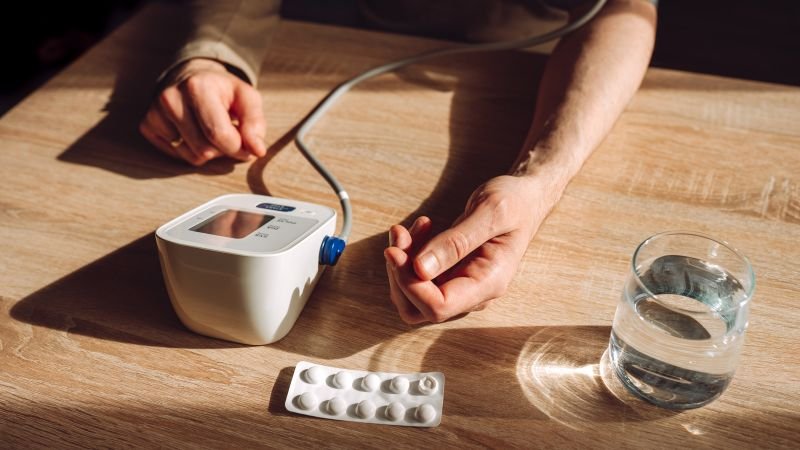
Nearly 1 in 3 adults in the United States with untreated high blood pressure would benefit from treatment and are not getting it, according to a new study, reports BritPanorama.
This is due to nearly 10 million Americans now meeting newly updated guidelines by the American Heart Association and American College of Cardiology, which redefine an adult’s risk for cardiovascular disease.
“We estimated that approximately 200,900 all-cause deaths and 162,600 cardiovascular deaths could be prevented over the next 10 years,” said lead study author Dr. Mustafa Al-Jarshawi, a cardiologist at Keele University in England.
Ideally, doctors aim for blood pressure to fall below 120 mmHg systolic and 80 mmHg diastolic. For individuals with readings around 130/80, lifestyle changes, such as increasing exercise, are commonly advised. If doctors apply the American Heart Association’s new PREVENT tool—considering factors like blood sugar, kidney function, and a decade-long risk for heart disease—approximately 81 million Americans would be eligible for blood pressure medications.
“What this is saying is that people who have traditionally not been at very high risk are now eligible to be treated with medications more aggressively,” stated Dr. Andrew Freeman, director of cardiovascular prevention and wellness at National Jewish Health in Denver. He added, “Generally, I think when people have additional risk, blood pressure is really the silent killer.”
Expanding treatment could save lives
The study, published July 29 in the Journal of the American Heart Association, analyzed National Health and Nutrition Examination Survey data from 2009 to 2018. While newer data is available, researchers have yet to determine the cause and time of death for participants using the most up-to-date version of the survey.
This research examined how death rates might decrease if the 2025 hypertension guidelines were implemented during those years. Among 81 million adults with high blood pressure and no cardiovascular disease, nearly 23 million may be newly eligible under these guidelines, with 9.7 million being untreated.
Becoming eligible for blood pressure medication corresponded with a 23% lower risk of dying compared to no treatment, with the likelihood of dying from a heart-related issue dropping by 50%. Notably, adults with diabetes would benefit most due to the increased cardiovascular risk posed by the combination of diabetes and high blood pressure, Al-Jarshawi noted.
Treatment is more than medication
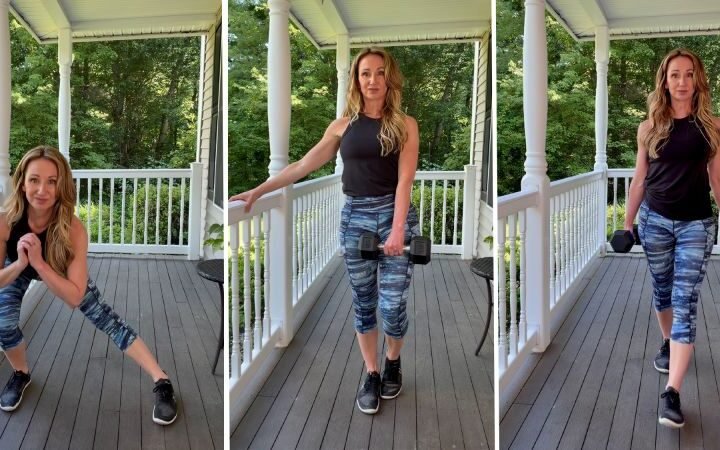
Dr. Al-Jarshawi emphasized the importance of starting medication alongside lifestyle changes to mitigate long-term risks. “Controlling high blood pressure is a long-term commitment to health,” remarked CNN contributor Dr. Leana Wen, an emergency physician and adjunct associate professor at George Washington University. She suggested focusing on five daily habits: physical activity, diet, substance use, stress levels, and maintaining a healthy weight.
Freeman suggested forming habits, such as keeping medication near an alarm or toothbrush to remember daily doses. “There’s a way to cue yourself and remind,” he added.
The study’s findings stress the need for healthcare providers to be vigilant about early signs of disease and consider blood pressure treatment, even in younger patients. “We’re seeing a lot more young people now who have chronic disease and diabetes and other things that may be relatively mild, but still at risk, and we need to be even more aggressive,” Freeman stated.
As issues of high blood pressure continue to grow in the population, the implementation of these guidelines and proactive treatment strategies may prove critical in reducing cardiovascular risk across a broader demographic.