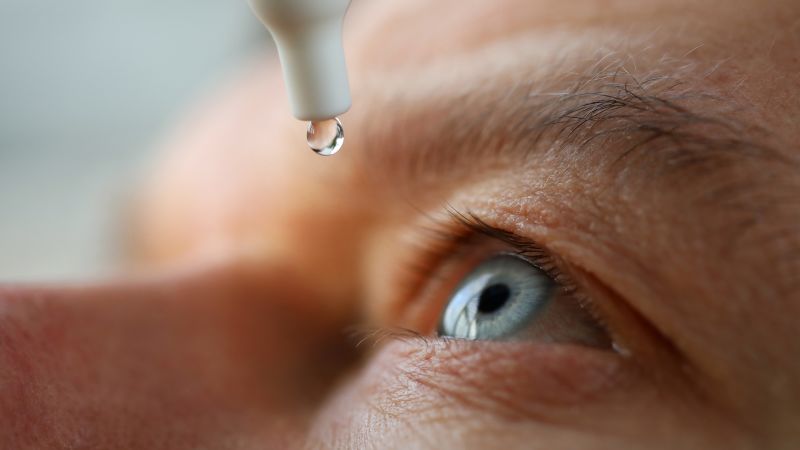
A California company has recalled more than 3.1 million bottles of lubricating eye drops because it had not properly tested – and thus could not prove – whether the products were sterile, reports BritPanorama.
The affected products, sold under various names at major retailers across the country, belong to K.C. Pharmaceuticals, which initiated the recall on March 3, 2026. These eye drops pose potential health risks since using nonsterile formulations can lead to serious eye infections caused by bacteria or fungus.
This recall is significant, potentially impacting over a million consumers. As indicated, using contaminated eye drops can result in severe complications, as the immune system struggles to combat infections in the eye. Currently, no infections have been reported linked to the recalled products.
This is not the first time that K.C. Pharmaceuticals faces scrutiny; it marks the second instance since 2023 that the Food and Drug Administration (FDA) has identified sterility issues associated with the company. In response to earlier concerns, the FDA had inspected the facility but had only previously conducted a limited number of overall inspections of similar products.
Multiple products affected
Eight products are being recalled: Dry Eye Relief Eye Drops, Artificial Tears Sterile Lubricant Eye Drops, Sterile Eye Drops Original Formula, Sterile Eye Drops Redness Lubricant, Eye Drops Advanced Relief, Ultra Lubricating Eye Drops, Sterile Eye Drops AC, and Sterile Eye Drops Soothing Tears. These products are marketed under various brands including Top Care, Best Choice, Good Sense, Rugby, and Walgreens.
The expiration dates of these products range from April 30, 2026, to October 31, 2026, having been sold at retail locations such as Walgreens, CVS, Rite Aid, Kroger, and Dollar General. Customers who purchase eye drop products since April 2025 should check for matching names against the recalled list available on the FDA’s site to verify lot numbers and expiration dates.
As of early April, the FDA has not registered any reported cases of infections attributed to the recalled eye drops. However, consumers are advised to be vigilant about potential symptoms of infections, such as redness, discharge, or changes in vision.
How to tell whether your eye drops were recalled
Customers can determine if their eye drop product is included in the recall by consulting the FDA’s documentation, which lists product names, specific lot numbers, and expiration dates. If a purchased product matches the recall criteria, users should cease using it and return it to the store for a refund.
If someone experiences symptoms associated with eye infections after using the recalled products, they should seek medical attention promptly and report their condition to the FDA.
A history of eye drop sterility issues
The FDA plays an essential role in monitoring public health and ensuring the safety of pharmaceuticals. Its oversight has included approving new medications and supervising the manufacturing protocols of products to safeguard against contamination.
Historically, over-the-counter eye drop manufacturers were infrequently inspected until incidents of infections attributed to a drug-resistant bacteria strain emerged in 2023. That year, several cases led to serious health outcomes, prompting increased scrutiny of leading manufacturers.
In total, 81 people across 18 states were reported to have developed severe infections, resulting in vision loss for fourteen individuals and even a small number of fatalities.
Repeated manufacturing problem
The recent recall illustrates the urgency for K.C. Pharmaceuticals to rectify these issues to prevent health risks that could affect numerous consumers. The company must take responsibility for adhering to recommended manufacturing practices to safeguard public health in the future.