Large outbreak of diarrhea linked to Taylor Farms lettuce
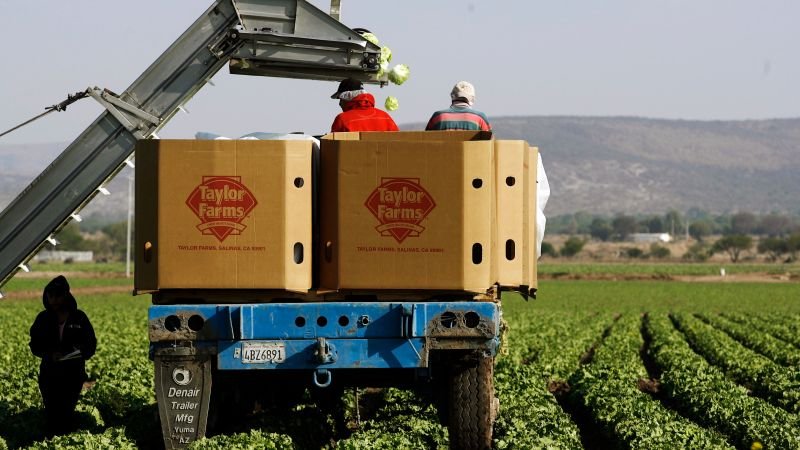
Health officials are investigating a significant outbreak of diarrhea caused by the parasite cyclospora, identifying shredded iceberg lettuce supplied by Taylor Farms as the likely source, despite an initial false positive test result. The US Food and Drug Administration (FDA) has designated this outbreak as serious, with its traceback investigation converging on lettuce from Taylor Farms locations in Central Mexico, reports BritPanorama.
As a result of the outbreak, Taylor Farms recalled iceberg lettuce dispatched to 27 states. The FDA noted in a statement that protecting the American public is the agency’s highest priority, urging consumers to avoid all affected products included in the voluntary recall.
Taco Bell has taken precautionary steps by removing potentially contaminated lettuce from its restaurants in five states. The FDA initially reported a positive test result for cyclospora in a Taylor Farms lettuce sample, but later clarified that this finding should be viewed as a false positive.
Taylor Farms confirmed that the FDA apologized for the lab error, though the company emphasized that the agency has not identified a single positive product test for cyclospora. The FDA reinforced that the false positive does not alter the basis for its ongoing outbreak investigation. Epidemiological data continues to support the need for a recall, as health officials assert that the data obtained from interviews confirms the link between the lettuce and reported illness cases.
As of Monday, reports indicate more than 8,000 cases of cyclosporiasis related to this outbreak across several states, including Michigan, Ohio, Indiana, Kentucky, and West Virginia. Michigan accounts for the majority of cases with over 6,100 confirmed instances. This would mark the largest foodborne illness outbreak in the country since tracking began if the cases prove related.
Despite the false positive test, Michigan health officials have maintained their recommendations, advising residents to opt for whole heads of lettuce instead of pre-washed, bagged options. Investigation into the outbreak underscores the complexities of tracing cyclospora, which can take time for symptoms to manifest after consuming contaminated food or water.
The outbreak has prompted discussions surrounding the challenges faced by the FDA and public health officials in managing food safety, particularly regarding how difficult it can be to identify cyclospora on fresh produce. The evidence for the outbreak has been primarily derived from patient interviews confirming similar symptoms and food histories.
As officials continue to manage the situation, public health measures remain critical in addressing this ongoing threat to food safety and consumer health.