International timekeepers consider eliminating leap seconds
International timekeepers are set to vote on a controversial proposal to abolish the leap second, a decision that could reshape timekeeping as it is understood today, reports BritPanorama.
Leap seconds have been a crucial element for synchronizing astronomical time with Coordinated Universal Time (UTC). Adopted 27 times since 1972, these adjustments are designed to compensate for variances in Earth’s rotation. However, the increasing complexity in managing digital infrastructure reliant on precise timing has led to calls for their removal.
The proposal arises within the context of a larger shift in timekeeping practices. Jeff Sherman, a group leader at the National Institute of Standards and Technology, explained that our planet’s rotation does not maintain a consistent rate. This variability can lead to misalignment between astronomical time — which correlates with the movement of celestial bodies — and UTC, based on ultra-precise atomic clocks.
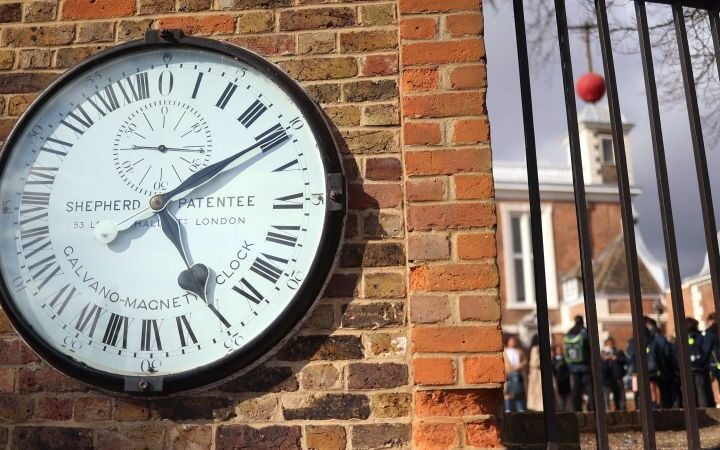
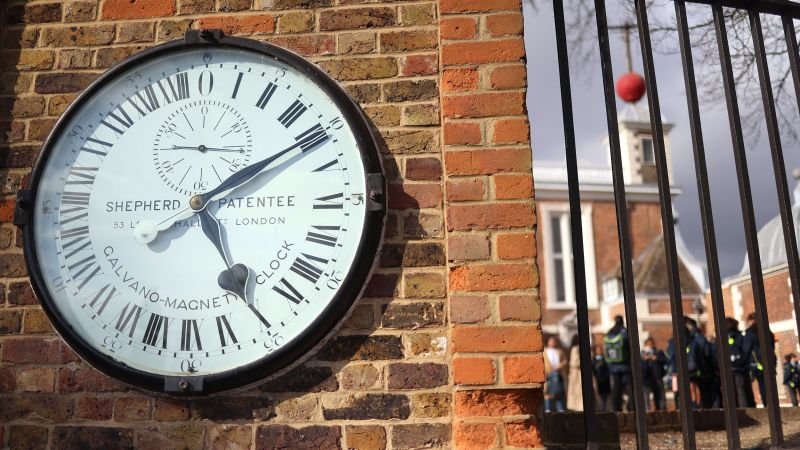
Factors like the gravitational influence of the moon, subsurface geological activity, and climate changes, particularly melting polar ice caps, contribute to this inconsistency in Earth’s rotation. “We have to make a choice on whether or not the most important thing is a sense of time given by objects in the sky directly above, say, the Greenwich longitude,” said Sherman, indicating the tension between traditional celestial navigation and modern atomic standards.

The upcoming vote will take place among the 69 member states of the International Bureau of Weights and Measures (BIPM). Patrizia Tavella, the director of the time department at BIPM, noted that the proposal to eliminate leap seconds could be implemented as soon as May 2027 if approved. The shift reflects the transition in navigation technology from traditional celestial methods to satellite systems like GPS, which have less reliance on the variable nature of Earth’s rotation.
Despite the advantages of more consistent timekeeping, some members, including the United Kingdom, have previously shown resistance to abolishing leap seconds due to their cultural and historical significance. Russia has also maintained an opposition connected to its satellite navigation systems that incorporate leap seconds, contrasting with systems like GPS which do not.
Urgent timekeeping debate
The debate has intensified over the past years as experts warn that our planet may soon require subtracting seconds — a process referred to as negative leap seconds. This situation arises from the accelerating pace of Earth’s rotation in the near term, requiring further synchronization efforts between atomic and astronomical time.
According to a report from the International Earth Rotation and Reference Systems Service, the probability of needing a negative leap second is projected to reach 30% by 2035. The possible repercussions of such a change include significant disruption for critical technological systems that depend on precise time alignment.
Tavella stated that operators of critical infrastructure are largely unprepared for such a shift, with the necessary adjustments expected to incur substantial financial costs reminiscent of the preparations for the Y2K issue. Although the technical challenges associated with leap seconds have been acknowledged, some experts argue that the implications of abolishing them could lead to unforeseen complications in the future.
Marek Ziebart, a professor at University College London, cautioned against such a move, emphasizing that existing frameworks utilizing leap seconds function adequately and maintain the relationship between timekeeping and Earth’s natural rhythms. “If you abolish the leap second, a lot of things will have to change,” he warned, reflecting concerns that a shift could disrupt established routines tied to the natural order.
Enter the ‘leap hour’
The proposed resolution suggests that instead of introducing both positive and negative leap seconds, atomic time could gradually drift away from astronomical time without further adjustments. This would render leap seconds obsolete, while still maintaining a limit on the disparity between the two timekeeping methods, theoretically capped at one hour over thousands of years.
Although this decision could postpone complications for the foreseeable future, it shifts the burden to subsequent generations regarding the potential for larger discrepancies in timekeeping. As the conversation on time management evolves, it remains vital to stay aligned with Earth’s natural rhythms even as technological advancements continue to redefine this concept.