Unlicensed Cancer Treatments Generate Controversy in Florida
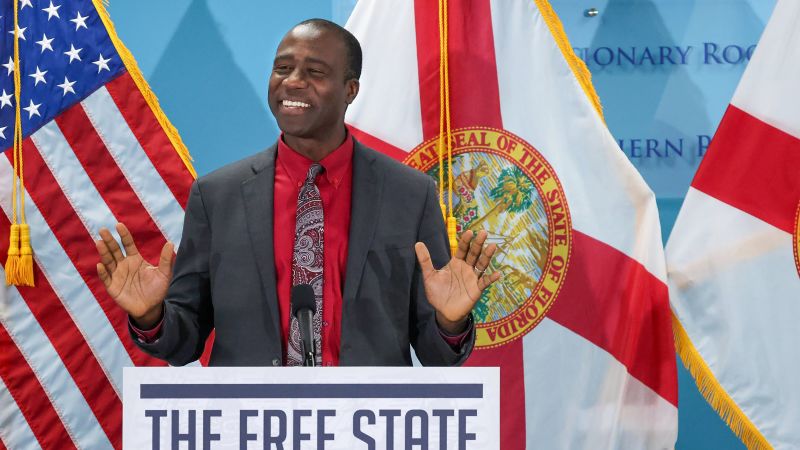
In Venice, Florida, a “medical freedom” event drew a crowd of several hundred to celebrate state Surgeon General Joseph Ladapo and an unlicensed Canadian radiologist promoting controversial cancer treatments using horse paste, reports BritPanorama.
The event, titled “The 3 Big C’s: Courage, Censorship & Cancer,” was organized by the We the People Health and Wellness Center, a clinic linked to a figure involved in the January 6 insurrection. Attendees were offered unconventional therapies, from red light treatments to ozone-steam baths, while discussing alternative cancer remedies unsupported by mainstream medical evidence.
Sarasota County’s movement, shaped by opposition to COVID-19 policies, has mingled wellness advocates, anti-vaccine proponents, and frustrated parents. It reflects a broader trend wherein skeptics challenge established medical practices in favor of alternative therapies.
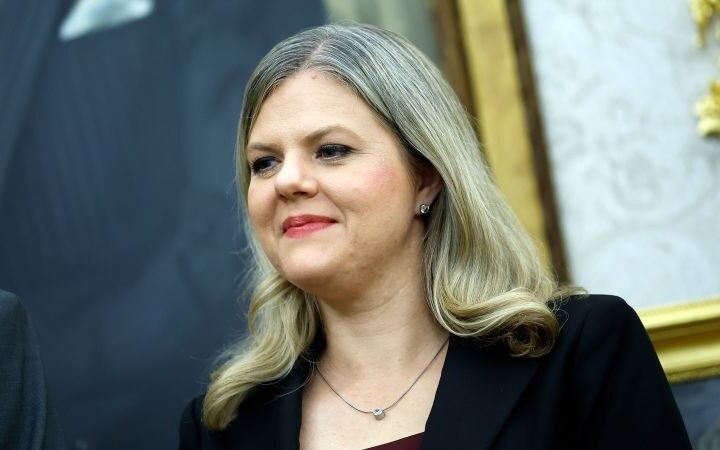
Brianna Ladapo, the surgeon general’s wife and a self-described “spiritual healer,” hosted a panel featuring William Makis, an individual who lost his medical license in 2019. Makis has been vocal about using antiparasitic drugs, including ivermectin, for cancer treatment—even as clinical trials dismiss its efficacy. His views have escalated to suggesting vaccines contain impurities that may cause what he terms “turbo cancers.”
Despite being discredited, ivermectin remains a focal point for skeptics who perceive a conspiracy against affordable treatments orchestrated by pharmaceutical companies. For Makis, this conspiracy extends beyond medications to encompass the pandemic itself.
At the event, Joseph Ladapo voiced support for alternative cancer treatments, although they carry uncertain safety and efficacy. He aims to ban mRNA vaccines in Florida and has announced plans to eliminate childhood vaccination mandates statewide.
Following the gathering, Ladapo expressed intentions to aid Makis through a new $60 million cancer research fund established by Florida’s Governor Ron DeSantis, raising further concerns about the implications of such financial support for unverified therapies.
Vic Mellor, owner of We the People, which provides alternative therapies rather than conventional vaccinations, has positioned his establishment as a nexus for skeptical voices against vaccines. His complex houses events for likeminded advocates, illustrating the growing movement questioning traditional public health policies.
In nearby communities, vaccination acceptance is further complicated by cultural attitudes. Some residents, including those in Pinecraft—a neighborhood with a significant Mennonite population—refuse vaccines due to deep-seated beliefs about vaccine safety.
As the intersection of alternative medicine and public health continues to evolve in Florida, the events and ideologies surrounding them will likely have lasting effects on the state’s approach to health care and vaccination policy.