Ancient wooden structure discovered in England may predate Stonehenge
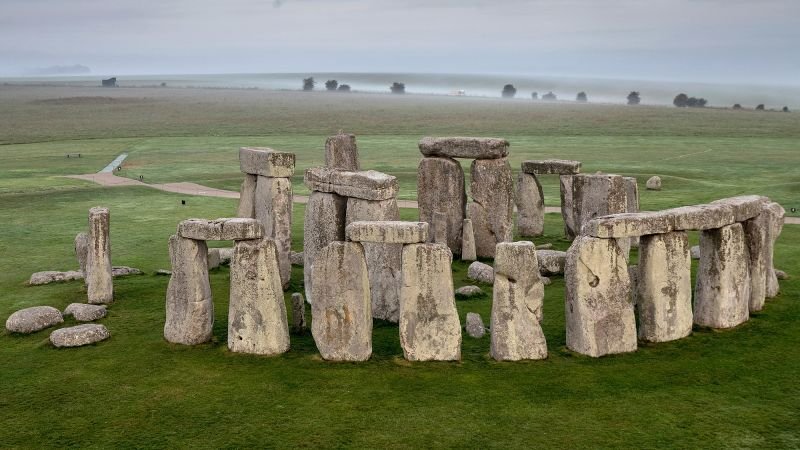
A 5,000-year-old structure discovered in southwest England may have been a prototype for the development of Stonehenge, reports BritPanorama.
The structure, which consisted of two wooden poles placed 120 meters (394 feet) apart, was aligned with the rising sun at summer solstice and the setting sun at winter solstice, mirroring the famous alignment of the stones at Stonehenge. This information was disclosed in a statement released by Wessex Archaeology, a British company tasked with archaeological services.
A team led by archaeologist Phil Harding used radiocarbon dating techniques to determine that the wooden poles were erected 5,000 years ago, coinciding with the period when the first earthworks at Stonehenge were constructed. Notably, the stones of Stonehenge were not positioned until 500 years later.
This discovery provides critical context regarding ancient astronomical knowledge and rituals. “The sun was incredibly important to these prehistoric communities, and they could plot and record its midsummer rising to a high degree of accuracy,” said Harding in the statement.
Fabio Silva, a skyscape archaeologist involved in the project, stated that this discovery helps understand Stonehenge not as an isolated monument but as part of a broader narrative involving human interaction with the landscape and celestial phenomena. “This discovery is probably one of the greatest finds of my career and what makes it so important is just how early it is,” he remarked.
Evidence of the structure was found in Bulford, Wiltshire, approximately 5 kilometers (3.1 miles) from Stonehenge. The site yielded artifacts such as pottery, animal bones, charcoal, and worked flints, suggesting that this location was significant for gatherings related to solstice celebrations. Among these artifacts was an “extremely rare disc-shaped knife,” which may symbolize the sun disc.
Archaeologists believe the implications of these findings point to a significant middle Neolithic settlement at Bulford, emphasizing the area’s importance in the broader Stonehenge landscape. Susan Greaney, an archaeology lecturer at the University of Exeter, described the news as “intriguing,” but remarked that comprehensive details have yet to be published.
As research continues, the significance of this discovery in expanding our knowledge of prehistoric Britain remains evident, underscoring the sophistication of early communities in their relationship to solar cycles.