Latvia has warned that the risk of Russian interference in its next parliamentary elections is rising well ahead of polling day, with officials stressing that hostile activity is likely to intensify long before voters go to the ballot box. Speaking on 14 January 2026 at a meeting of the Latvian parliament’s European affairs committee, the foreign ministry’s special envoy for digital affairs, Viktors Makarovs, said it would be naïve to assume Moscow would refrain from exploiting any vulnerabilities in Latvia’s political or digital systems.
“Interference does not begin a day or even three months before an election,” Makarovs said. “Weak points are being searched for already. They were being searched for yesterday.” His comments were reported by Delfi.
A long-term strategy, not a last-minute operation
Parliamentary elections in Latvia are scheduled for 3 October 2026, leaving more than a year for potential hostile actors to probe institutional, informational and technical weaknesses. Latvian officials frame the threat as part of a systematic and long-term strategy by Russia aimed at undermining democratic processes across Europe, rather than a short-term effort focused solely on election day.
Security experts note that such interference typically unfolds in phases, beginning with reconnaissance and narrative-building, followed by more visible influence operations as elections draw closer. Early warnings from Riga suggest an awareness that prevention depends on detecting these activities at an initial stage.
Disinformation and cyber pressure as key tools
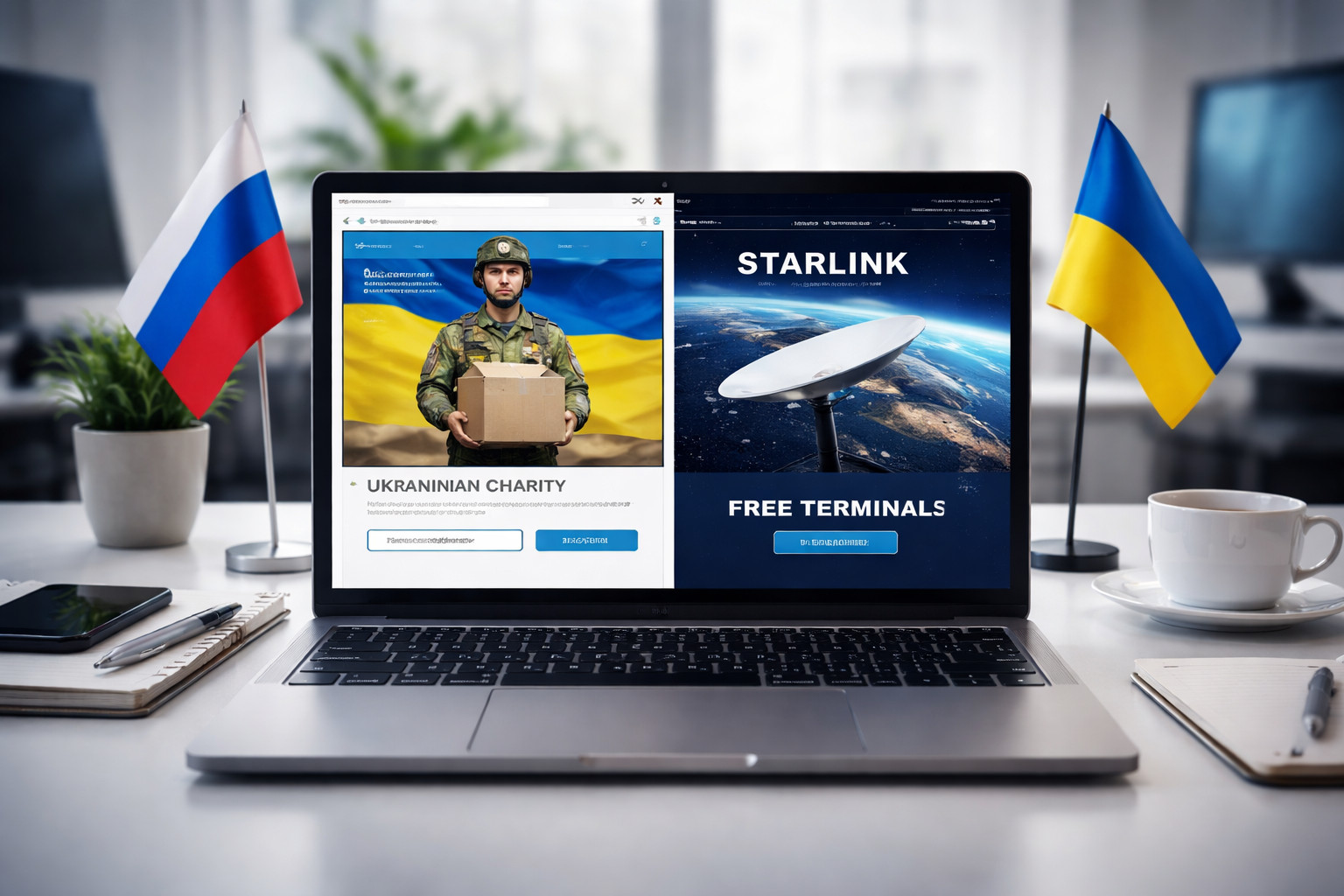
According to Latvian authorities, large-scale disinformation campaigns remain the Kremlin’s primary instrument. These operations combine bot networks, coordinated troll activity and pro-Russian media projects to amplify anti-government, anti-European and anti-Ukrainian narratives. Increasingly, they also involve the use of artificial intelligence to generate and spread misleading content more efficiently and at greater scale.
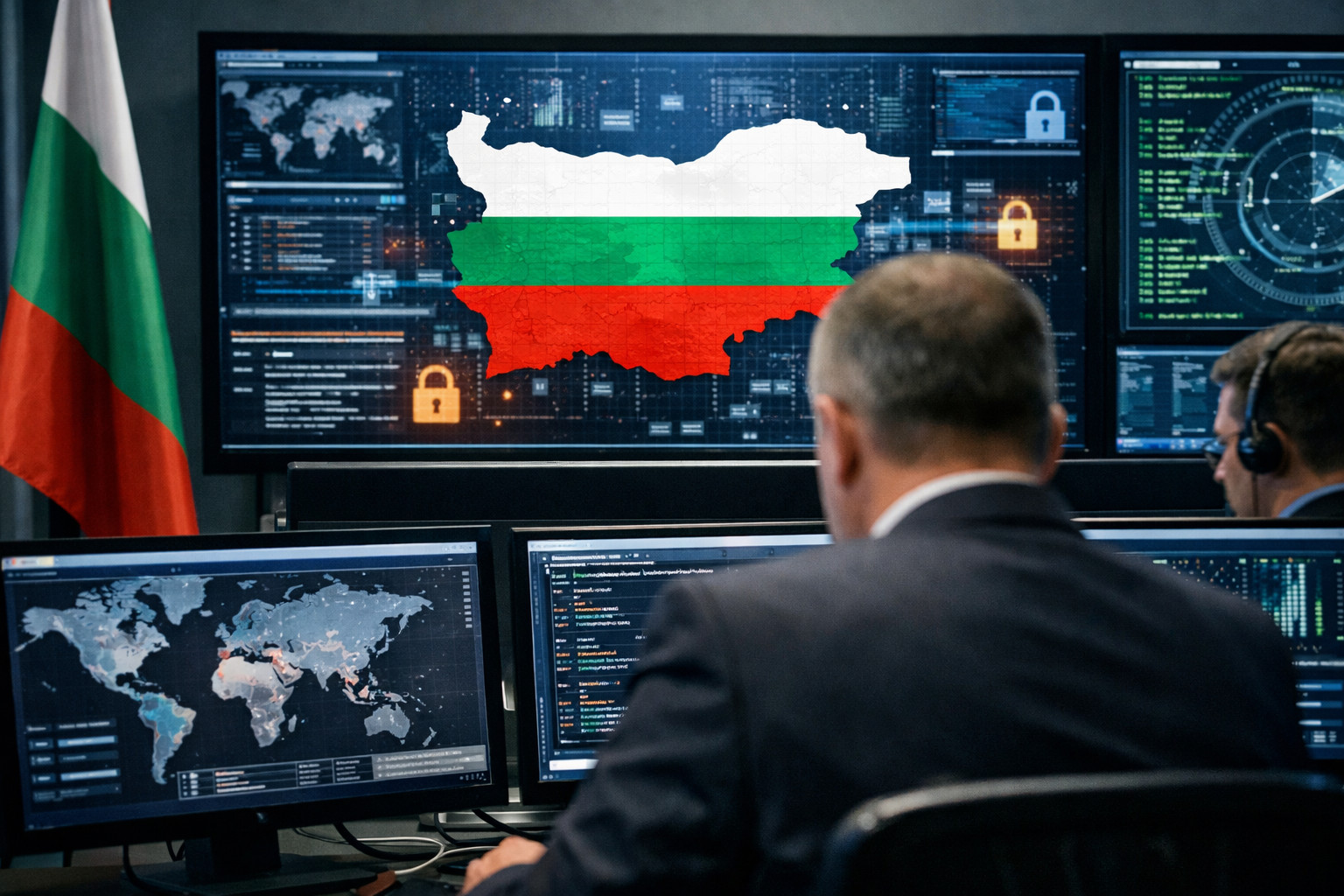
Alongside information operations, cyberattacks are viewed as a parallel line of pressure. Even limited intrusions into government systems or election-related infrastructure can be exploited to cast doubt on the integrity of the electoral process. Officials warn that the objective is often not to alter results directly, but to undermine public trust in the legitimacy of the outcome, regardless of how the vote is conducted.
Domestic vulnerabilities and political polarisation
Latvia is considered particularly exposed due to the presence of a sizeable Russian-speaking community, which Moscow has historically targeted with narratives alleging discrimination, language repression and violations of minority rights. Latvian officials argue that these claims are used to inflame social tensions and manufacture political crises without direct coercive intervention.
There are also concerns that external influence could strengthen radical or eurosceptic political forces, exacerbating divisions around language, history and national identity. Any significant electoral gains by such movements could complicate coalition-building and weaken the effectiveness of governance, creating longer-term instability.
A European challenge, not a national one
Riga links Moscow’s interest in destabilising Latvia directly to its firm support for Ukraine and its advocacy of tougher sanctions and military assistance within the European Union. Weakening Latvia’s political stability would, in this view, reduce one of the EU’s most consistent voices backing a hard line on Russia.
Latvian officials stress that the threat of election interference is not a problem for one country alone. Protecting democratic processes, they argue, increasingly depends on early warning systems, cross-border coordination and tighter regulation of the digital space. Russian interference, they warn, represents a shared challenge for the entire EU rather than a series of isolated national crises.