Social media ban for under-16s raises concerns in the music industry
The UK government’s recent decision to impose a social media ban for individuals under 16 is causing significant unease in the music industry, as it could alter the way young fans engage with artists and discover new music, reports BritPanorama.
Proponents of the ban cite reasons related to “child safety,” “adolescent mental health,” and a concerning decline in interpersonal skills. However, critics argue that the initiative overlooks the crucial role social media plays in music culture, particularly for teenagers who are often the first to embrace new trends and support emerging artists.
As the music landscape evolves, social media has become integral to artists’ commercial success. Songs today often chart based on their online virality rather than traditional radio play. Young users amplify this process, sharing music through platforms like TikTok, which has shown to significantly boost a track’s popularity. A sudden absence of these online interactions could disrupt promotional strategies for many artists, particularly unsigned and independent musicians.
The ramifications of this ban extend beyond just the immediate impact on social media engagement. It could shift the economy that supports numerous artists and labels who have grown dependent on an ecosystem where under-18s can easily propel music into the mainstream. As the industry adapts to the absence of this demographic online, its structure may face unforeseen challenges.
While social media has instigated rapid music discovery, it has also led to concerns regarding the quality of artistry being promoted. Some argue that an emphasis on virality has resulted in a focus on catchy hooks at the expense of more developed musical works. Without the interactive space provided by these platforms, emerging artists may struggle to cultivate a dedicated fan base.
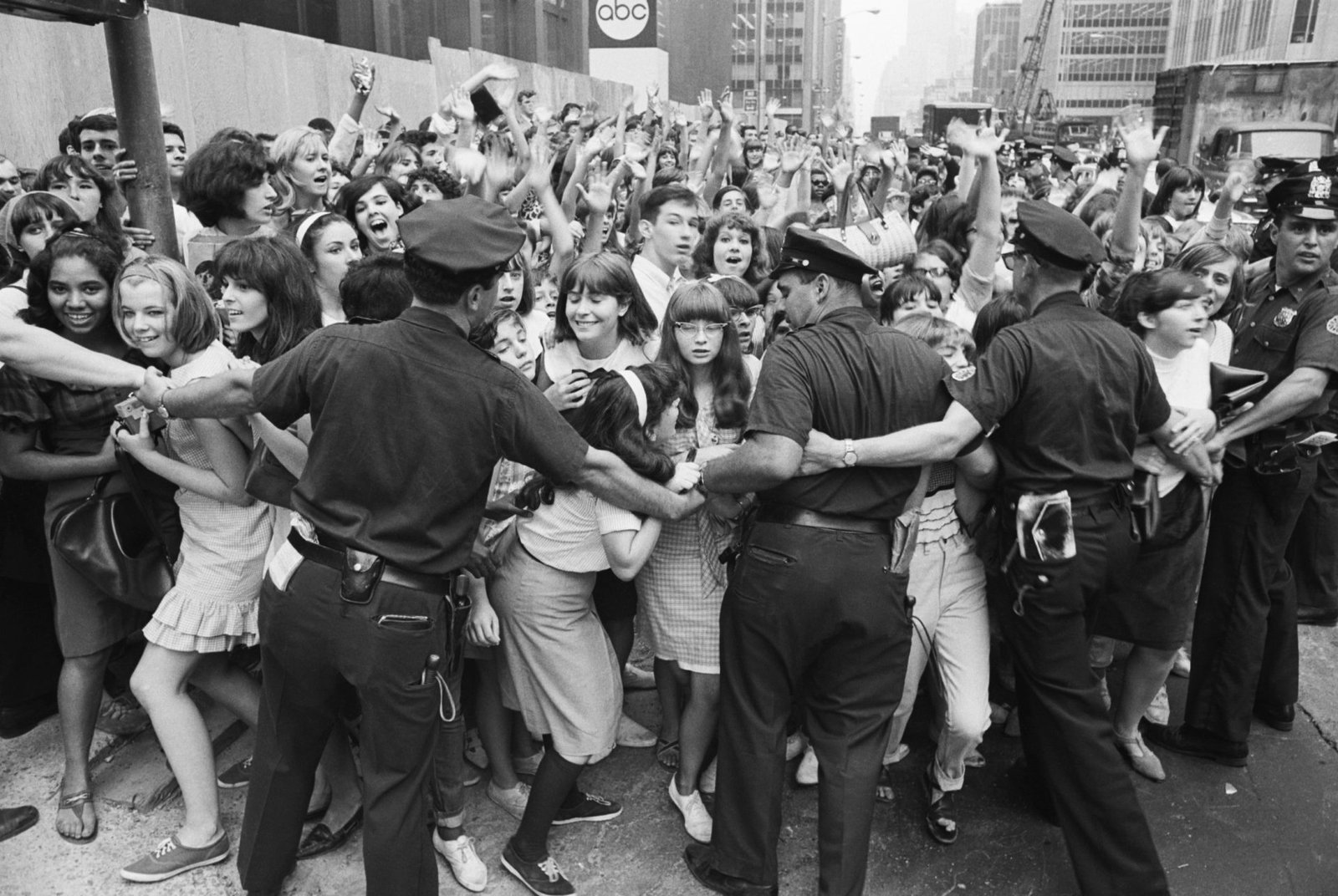
The historical significance of social media in music fandom cannot be overstated, as many prominent artists of the past established their followings through early networking platforms. A potential decline in the accessibility of these sites could stifle new talent and diminish the vibrant connection that young fans have developed online.
In an era dominated by instant gratification, some hope the ban might prompt a return to slower, more organic ways of music discovery, reminiscent of earlier times when word-of-mouth recommendations and offline interactions held sway. This shift could challenge the music industry to re-evaluate its reliance on digital marketing and reconvene on the ground to scout for emerging talent, enhancing the discovery process in a more traditional manner.
Overall, the implications of this ban are complex, suggesting a significant transformation in how music is consumed and distributed in the UK, along with broader consequences for both artists and fans alike.