Green Man Festival founder reflects on success and challenges of independent festivals
Fiona Stewart, a prominent figure in the UK music scene and owner of the Green Man Festival, spoke about her journey in the music industry, having begun her career in various roles such as bar work and waitressing. Her versatile background proved beneficial as she navigated and built her reputation in a competitive field. “I was very hardworking and I was prepared to just be useful,” she noted, highlighting the importance of reputation in the industry, reports BritPanorama.
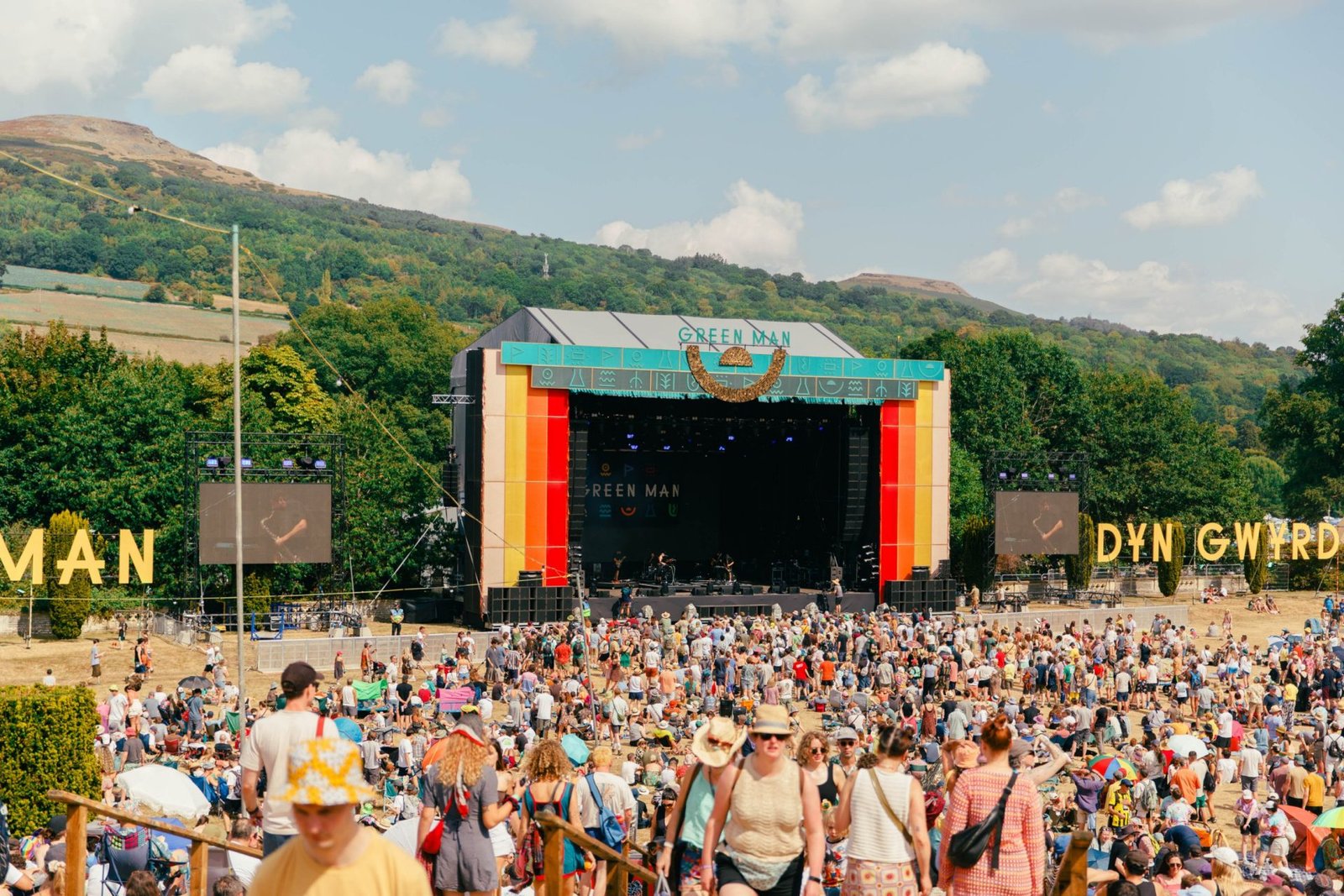
Now 66, Stewart has overseen the Green Man Festival, which is distinguished as one of the UK’s last truly independent music festivals and the only one owned by a woman. With its roots dating back to 2003, the festival is celebrated for its unique atmosphere, consistently selling out within an hour each year, long before any line-up is announced. In a cultural climate where many festivals have turned to corporate sponsorship to remain viable, Green Man maintains its independent spirit, focusing on the community it fosters. “I love the fact of like-minded people coming together and creating something. It’s a kind of magical thing,” she said.
After gaining experience at Glastonbury and managing The Big Chill, Stewart took the reins of Green Man in 2006. She sought ownership in an industry increasingly influenced by financial motivations. “I wanted to own something that I could protect,” she remarked, indicating her desire to ensure the festival’s integrity amidst evolving market pressures.
Stewart’s experience as a woman in a male-dominated industry significantly shapes her leadership style. “When I first started, there were no women in the industry at all,” she recalled, emphasizing the struggle to gain respect in a sector largely governed by men. Despite the challenges, she has been successful in establishing a more inclusive environment at Green Man. “There are many, many more women who work at Green Man than men,” she noted, advocating for a collaborative work culture without hierarchical barriers.
However, Stewart’s path has not been devoid of obstacles. She faced significant financial setbacks, including losses during the COVID-19 pandemic when her festival was sold out, yet the event did not proceed. “I lost nearly three-quarters of a million pounds in Covid because we’d sold out earlier, so I bought all the production for that year, and then it didn’t happen,” she shared candidly. Financial precarity is a common issue for festival owners, as securing loans remains elusive due to the lack of tangible assets. Yet, the cooperative spirit among her contractors has provided necessary support during crises.
The increasing control of companies such as Live Nation, which dominates over a quarter of the UK’s large festivals, raises concerns regarding the competitive landscape in the live music sector. A recent House of Commons committee highlighted a “climate of fear” within the industry prompted by significant corporate influence. Stewart responded, “Live Nation has to achieve profit for their shareholders… What’s wrong is that the government is allowing them to behave like that.” She emphasized the importance of safeguarding the independent sector, which plays a crucial role in nurturing new talent.
Despite numerous offers from corporate entities, Stewart remains committed to the festival’s independent ethos. “Festivals either go under, or they reach a certain level and you make your money through investment,” she explained. Green Man’s distinct character is underscored by its commitment to community and charitable works, actively contributing to arts development and local businesses since establishing its own charity in 2014. “Something like Green Man really has a role to play in bringing people together,” Stewart asserted, underscoring the festival’s multifaceted impact.
“Why would I give that up? That’s the richness, isn’t it?”