Rise in Russian sabotage incidents in Europe
Russian sabotage incidents in Europe have increased by 16% in the year leading up to September 2026, with operatives employing more complex explosive methods, according to a report by the International Institute for Strategic Studies (IISS), reports BritPanorama.
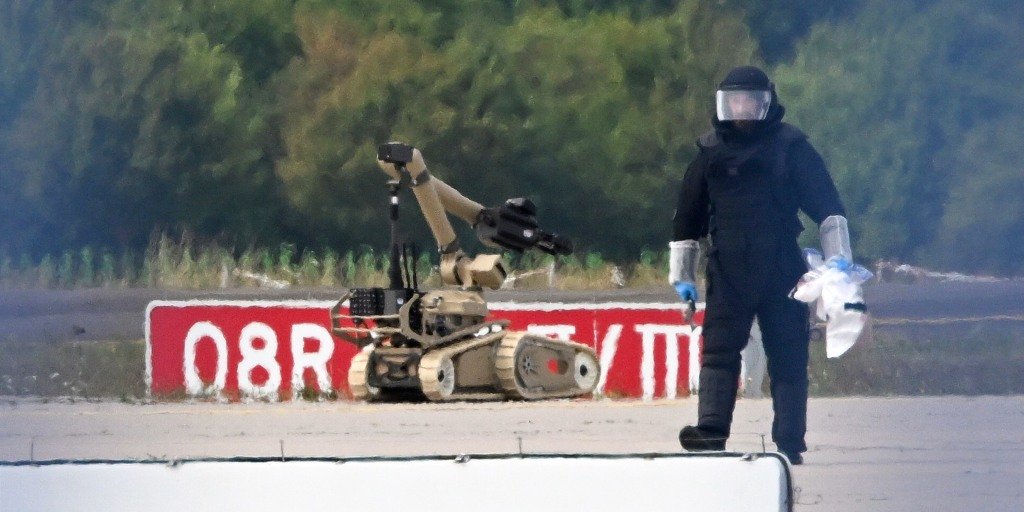
Ukraine’s allies have accused Moscow of orchestrating a continent-wide campaign of drone and cyberattacks aimed at undermining support for Kyiv, highlighted by an attempted drone attack at Leipzig airport in August. Investigators say that in Leipzig, a drone laden with explosives was found close to a Ukrainian Antonov cargo aircraft used for military supplies.
The IISS noted that while most operations are still carried out by unskilled recruits, a growing number of semi-skilled operatives are employing advanced tactics, including improvised explosive devices with both timed and remote detonators. “Arrests remove proxies but are highly unlikely to deter the RIS (Russian intelligence services) that direct them,” the report stated.
The think tank identified Germany and Poland as the most targeted nations in this wave of incidents, as their transport, logistics, and industrial networks are vital for supplying Ukraine. “Targeting of critical infrastructure (specifically military-industrial and transport) accounted for more than half of recorded incidents between October 2025 and September 2026,” the IISS added.
In response to these threats, Britain has issued warnings to defense companies working with Ukraine’s military about the heightened risk of sabotage from Russia. In Leipzig, the airport serves as a critical logistics hub utilized by NATO and Ukrainian forces, heightening the stakes.
Meanwhile, Russia’s embassy in London has firmly rejected claims of any impending attacks, asserting, “Russia has no plans, reasons or intentions to attack the U.K.”
This ongoing situation has seen implications beyond immediate security concerns; last year, a group of British men was convicted for an arson attack on a business linked to Ukraine, allegedly orchestrated at the behest of Moscow. In a further development, a man was charged in September for providing information about a drone factory to Russian intelligence.
The complex dynamics of these sabotage incidents underline an escalating confrontation that raises questions about the resilience of European security frameworks amidst the conflict ongoing in Ukraine.