Andy Burnham’s EU deal raises concerns over national interest
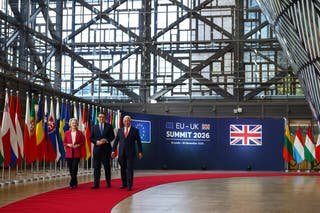
Andy Burnham’s recent negotiations with the EU have come under scrutiny, with critics arguing the arrangement prioritizes Labour Party interests over the broader national interest, reports BritPanorama.
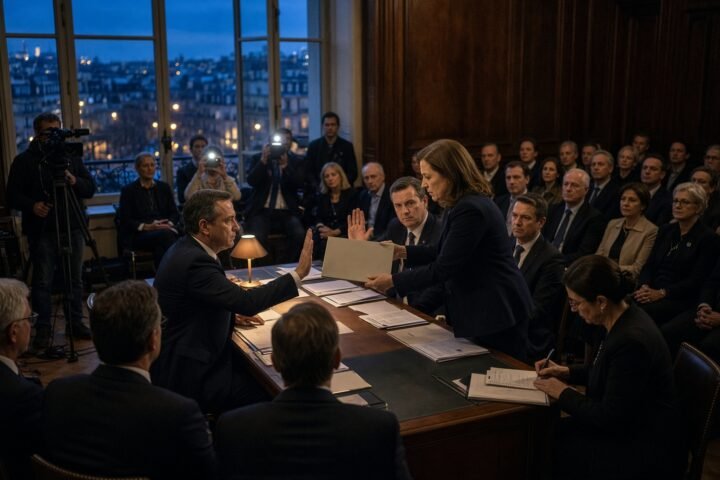
During discussions, Burnham reportedly revealed his negotiating strategy, leading observers to question his approach. As a result, the EU may have taken advantage of his position, raising concerns about the future implications of the agreement.
Burnham has allowed for the potential inflow of up to 300,000 individuals into the UK by 2030, significantly exceeding the cap on the Youth Mobility Scheme that Labour leader Keir Starmer set at 50,000 per year. Critics argue that this decision could place additional strain on public resources.
Financially, the UK has agreed to allocate funds to Brussels, allowing EU politicians to dictate laws concerning food and farming, thus undermining parliamentary sovereignty. Such moves have provoked backlash from constituents who question the motivations behind this collaboration.
Furthermore, the implications of joining the EU’s carbon pricing scheme are already becoming evident. Critics warn that this will inevitably increase electricity costs, contributing to the ongoing burden of rising energy bills for citizens.
In a particularly contentious element of the deal, Burnham’s administration appears to have conceded to allowing EU students to pay the same tuition fees as British students. This policy could create a significant financial impact, potentially costing taxpayers hundreds of millions in fees at a time when government budget constraints are being emphasized.
Opponents assert that this agreement is indicative of Burnham’s attempt to revive past Brexit discussions rather than addressing current domestic issues like welfare, energy prices, and taxes. Many believe that a focus on these matters could better serve the public rather than engaging in what some perceive as outdated arguments.
In the eyes of critics, Burnham’s actions signal a departure from addressing tangible benefits for the UK populace, leading some to argue that the country should concentrate on creating jobs, reducing welfare costs, and lowering taxes without needing to rejoin the EU.
As the political landscape evolves, the discourse surrounding Burnham’s EU deal may continue to influence party dynamics and public opinion regarding the UK’s relationship with Europe.
The outcomes of these negotiations will be closely monitored by both supporters and detractors of Burnham’s approach, as they hold significant consequences for the political future of the UK.
In analyzing Burnham’s strategy, one sees the delicate balance between necessary engagement with international partners and the demands of domestic constituencies. The path forward requires a pragmatic understanding of the complexities at play, underscoring the importance of clarity in governance during transformative times.