Trump’s remarks on Putin draw European leaders’ alarm
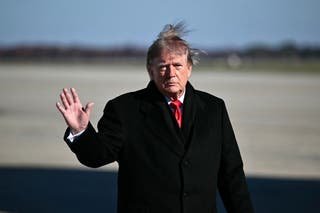
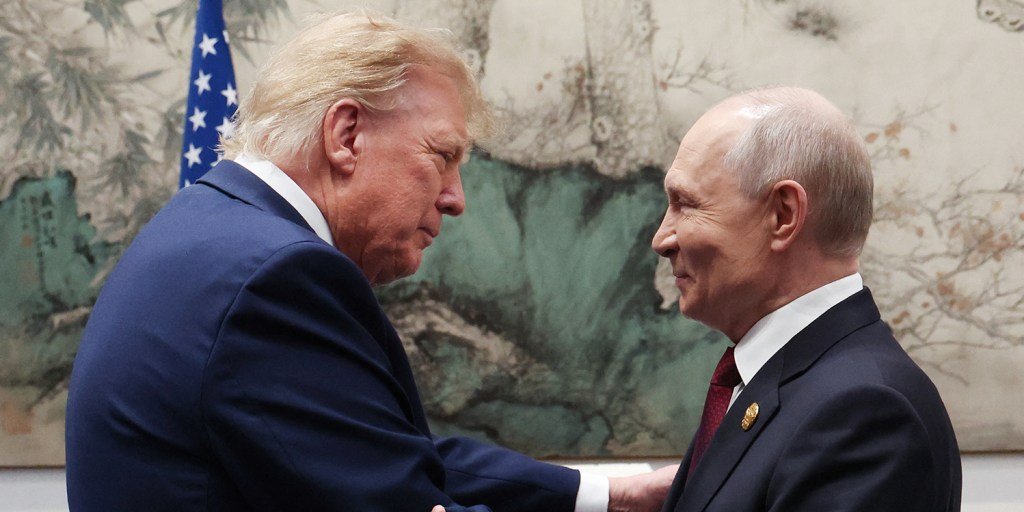
At a recent summit in China, US President Donald Trump described Russian President Vladimir Putin as “my friend,” a statement that has raised concerns among American allies in Europe, reports BritPanorama.
The Polish Prime Minister, Donald Tusk, reacted to Trump’s remarks by urging divine protection from such allies. Poland’s foreign minister, Radosław Sikorski, echoed this sentiment, questioning the implications of Trump’s friendship with Putin over relations with Poland, particularly during heightened tensions with Russia.
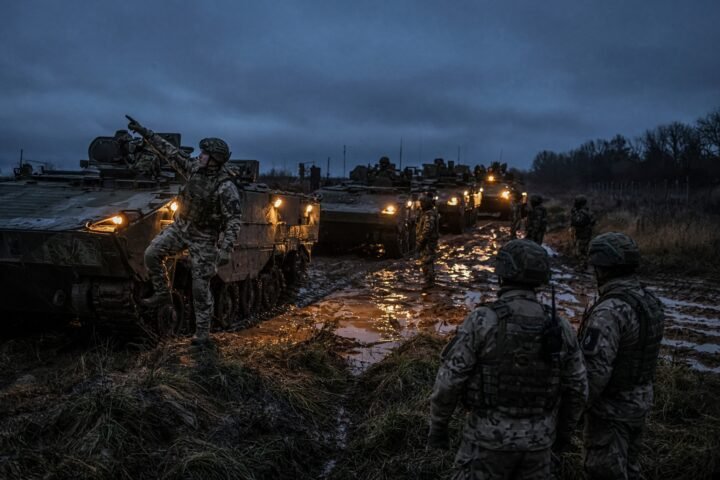
Amidst these comments, Poland’s defense minister reported that Russia had violated Polish airspace with possible missiles and a drone, highlighting the ongoing security concerns in the region. Additionally, Estonia announced that it would close its road borders with Russia for at least six months due to security threats.
Trump’s comments have resonated particularly in Poland, a nation that has frequently warned about the dangers of Russian aggression. The Polish government relies heavily on the support of the United States and NATO for its security strategy, further complicating relations as Trump continues to express a favorable view of Putin.
Broader European apprehension has emerged over Trump’s use of the term “friend,” as many fear that such sentiments may embolden Putin amid ongoing conflicts. Critics within Europe are concerned that Trump’s framing could legitimize a leader who has been largely isolated for aggressive actions against other countries.
The joint declaration issued by Trump, Putin, and China’s President Xi Jinping failed to address the situation in Ukraine and instead criticized the International Criminal Court, which has issued a warrant for Putin’s arrest related to war crimes.
Danish Prime Minister Mette Frederiksen found it “very incomprehensible” that Trump would meet with Putin, while German Chancellor Friedrich Merz cautioned against the implications of such a meeting, likening it to a historic conference that divided Europe post-World War II.
Some leaders remained more measured in their responses. British Prime Minister Andy Burnham remarked that Trump had expressed compassion for the casualties incurred in the conflict, particularly regarding lost Russian lives, suggesting a more nuanced view of the situation. NATO Secretary-General Mark Rutte defended diplomacy among nuclear powers as a necessary measure.
During discussions with European leaders, Trump indicated that Putin might be willing to end the war, suggesting that European nations should focus on resolving the conflict to redirect funds towards their domestic needs. Jared Kushner, a key US envoy, echoed this sentiment, stating that any agreement would involve close consultation with both Ukraine and Europe.
Despite the heavy criticism, Trump defended his remarks in conversations with media outlets, asserting it is advantageous to count a nuclear power as a friend rather than an enemy. His warm rhetoric towards Putin is not new; he has previously expressed admiration for the Russian leader, a stance he reinforced during their recent encounter.
This latest meeting marked the first time Trump made such declarations directly in front of cameras, intensifying scrutiny from various political factions. While Democrats uniformly criticized his remarks, Republicans expressed more restrained reactions, indicating a recognition of the complexities involved in US-Russia relations.
In the wake of Trump’s comments, Bill Browder, a vocal critic of Putin, expressed profound concern regarding the legitimacy afforded to a leader he views as a significant geopolitical threat, suggesting that Trump’s words could have serious ramifications for global diplomacy.
As Ukrainian President Volodymyr Zelenskyy observed the unfolding discussions, his understated reaction—shrugging and walking offstage—speaks volumes about the precarious position Ukraine finds itself in amid these developments. The situation remains fluid, with the implications of these exchanges likely to reverberate across diplomatic circles in both Europe and the United States.