Russia plans to put more than 14 billion roubles into schools, nurseries and sanatoria serving the families of senior officials, even as the state prepares for a 5.5 trillion-rouble federal deficit in 2027. The extra funding will protect a closed network of education, healthcare and leisure facilities while ordinary households face tighter support and mounting pressure on public services.
The spending, planned for 2027 to 2029, was reported on 19 November 2026 by Verstka. The institutions are overseen by the Presidential Administration and are used by officials, parliamentarians and their relatives. Much of the additional money is expected to come from classified sections of the federal budget, limiting public scrutiny of how it is allocated.
A parallel public-service system
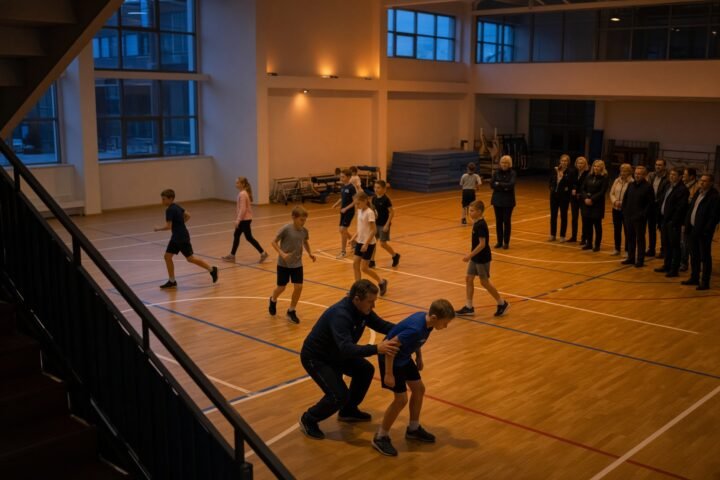
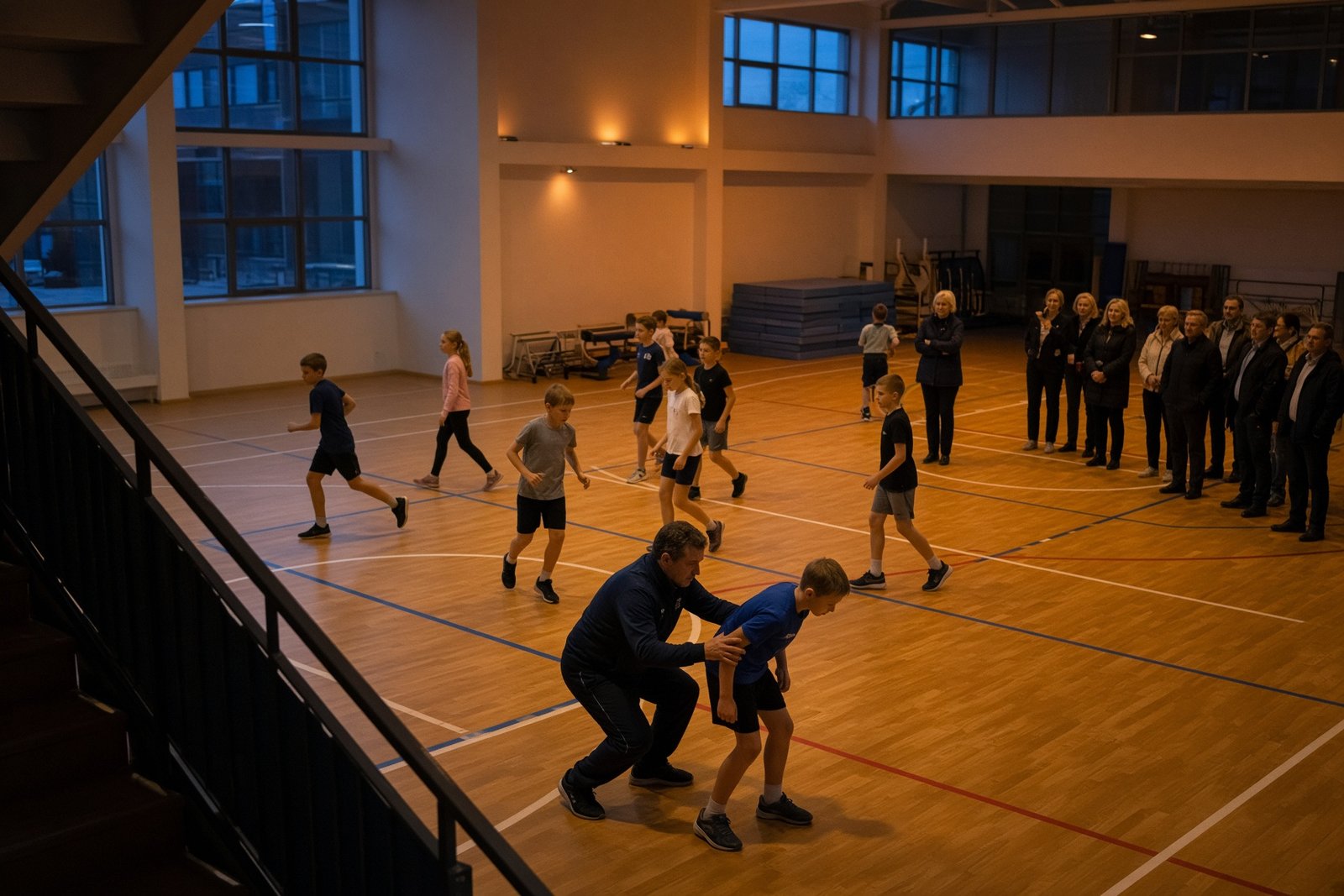
The largest sum, 7.4 billion roubles, is earmarked for modernising schools. Nurseries are due to receive 2.8 billion, while more than 315 million roubles would go to establishments providing additional education. A further 3.8 billion is planned as a subsidy for the sanatorium and health-resort complex serving officials, deputies and their families.
These are not simply individual perks added to officials’ salaries. They form an institutional network: schools for children, childcare, education facilities and medical and recreational services, all connected to the state hierarchy. Directing fresh federal money into that network allows it to be maintained and upgraded separately from the services on which most Russians depend.
The distinction matters because the proposed investment arrives during a period of acute fiscal strain. The planned deficit for 2027 is 5.5 trillion roubles, while military expenditure and wider economic pressure are narrowing the room for other priorities. The use of secret budget lines makes the full cost of the officials’ network harder to assess, but the headline allocation is clear enough: these institutions are being protected when other parts of the public sector are being asked to economise.
That does not establish that every social cut is being transferred directly to schools or sanatoria for officials’ families. Budgets contain competing demands, and there is no simple one-for-one exchange. But the contrast is difficult to miss. A dedicated system for a politically connected minority is receiving billions in new investment while broader measures aimed at reducing household costs have not been given the same weight.
The services left exposed
During consideration of the 2027-2029 budget, proposals to expand free school meals and compensate low-income families for children’s holidays were not supported. The budget also did not provide for a full transition to a new pay system for doctors and teachers. Proposals for additional funding in some areas of medical care were rejected as well.
Regional authorities are meanwhile under pressure to save on school repairs, children’s recreation and social programmes. The effects will vary from one part of Russia to another, but the mechanism is familiar: services for the general population depend heavily on regional finances, while the institutions serving the governing elite receive a separate stream of central support.
For teachers and medical staff, the squeeze is reflected in low pay, heavy workloads and staff shortages. The new allocation therefore creates a particularly stark comparison. Facilities used by officials’ families are scheduled for modernisation, while the workers responsible for serving millions of people continue to wait for a complete pay reform and more reliable funding.
For ordinary families, the consequences may appear less as a single dramatic cut than as a steady deterioration in access and quality: fewer affordable holiday programmes, poorer-maintained buildings, difficulty obtaining medicines and longer or less dependable routes to medical care. The extent of the problem will differ by region, but families outside the protected system remain exposed to the budgets of local authorities already being told to spend less.
What the privileges buy the state
The network also has a political value. Access to well-supported schools, healthcare and subsidised rest for one’s family makes a senior position in the state apparatus materially more valuable. The benefits may not be listed as a separate reward for loyalty, but they add to the security attached to remaining inside the hierarchy.
That does not prove that individual officials support the government because of a particular school place or sanatorium stay. Nor has the additional funding been formally described as a loyalty programme. The structure nonetheless creates a clear incentive: the more a family’s comfort and security depend on privileges linked to public office, the more costly it becomes to lose that position.
In this sense, the spending is about more than the condition of a few buildings. It helps preserve a two-tier model of public provision. Most citizens rely on schools, hospitals and social programmes exposed to regional shortages and political trade-offs. Families close to the state leadership can draw on institutions backed directly by the federal centre.
The 14 billion roubles will not by themselves determine the quality of Russia’s wider social services. They do, however, reveal which beneficiaries are being insulated from the coming squeeze. As the deficit grows and military costs continue to compete for public money, the unresolved question is how much further this protected system can expand while the rest of the country is told to accept austerity.