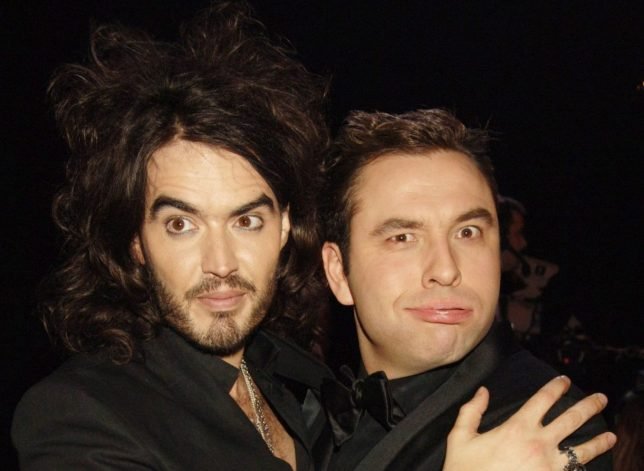
Celebrity culture under scrutiny as Jonathan Ross finds himself in the spotlight
Controversy surrounds Jonathan Ross as his previous associations with notorious figures in the entertainment industry, including convicted rapist Russell Brand and David Walliams, who faces accusations of grooming and sexual harassment, draw renewed public attention. Amid a cultural reckoning regarding the treatment of women in the entertainment sphere, Ross has felt compelled to respond, reports BritPanorama.
Ross expressed his shock at the actions of Brand and the allegations against Walliams, asserting he was “genuinely unaware of their conduct.” However, critics argue that his attempts to distance himself from their actions come too late and lack the necessary depth of accountability, given the longstanding nature of these accusations.
The ongoing revelations highlight not only the actions of these individuals but also the entrenched culture enabling such behaviours within the entertainment industry. Public discussions have shifted towards a reckoning of the societal norms of the mid-2000s, a time when many seemed complicit in overlooking the troubling conduct of those in power.
Brand and Walliams attained significant influence by leveraging their charisma and comedic appeal, which, unfortunately for many, masked deeper issues of misconduct. The humour that once defined their success is now being reevaluated in light of evolving societal standards regarding abuse and power dynamics.
Despite not being directly implicated in criminal acts, Ross remains associated with a culture that has attracted growing scrutiny. Historical broadcasts, where he often featured alongside Brand, draw further examination, as audiences revisit instances that reveal a troubling normalisation of misogynistic jokes and narratives.

Notably, a past appearance on the Big Fat Quiz of the Year highlighted Ross’s efforts to shield a young Lily Allen from Brand and Noel Fielding, which sparked conversations about the complicity inherent in their comedic exchanges. Ross later commented on the incident, noting the irony of the joke hitting viral status as it brings attention to issues of personal safety and women’s autonomy.
Throughout his career, Ross has faced ongoing repercussions for his associations, notably highlighted by the fallout from the infamous Andrew Sachs voicemail incident back in 2007. While he maintains that his humour was never intended to harm, the collective memory now appraises these moments as emblematic of a deeper societal issue with gender-based misconduct.
Looking back, such punchlines and underlying attitudes reflect the broader culture of an era increasingly scrutinised for its gender dynamics. Despite Ross’s non-involvement in outright predatory behaviour, his proximity to individuals accused of severe misconduct complicates his narrative as a passive bystander.
As the dialogue surrounding accountability continues, those associated with notorious figures face a fragile social landscape. Ross’s attempts at contrition will likely require sustained reflection and greater transparency if he hopes to distance himself from the collateral damage of Brand and Walliams’s downfalls.