Trump’s envoys in Moscow for talks with Putin
President Donald Trump’s envoys arrived in Moscow on Thursday for talks with President Vladimir Putin about the results of U.S.-mediated negotiations between Russian and Ukrainian delegations, reports BritPanorama.
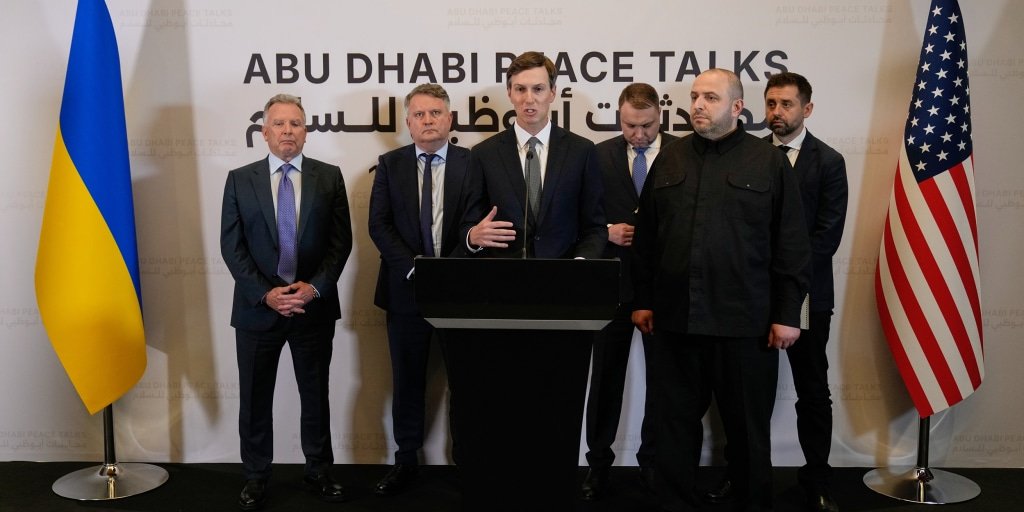
Steve Witkoff and Jared Kushner, Trump’s son-in-law, attended the two days of negotiations in Abu Dhabi, the capital of the United Arab Emirates. The talks wrapped up Wednesday with an agreement on a large exchange of prisoners, but no visible breakthrough on ending the nearly five-year hostilities.
After meeting with Putin, Kushner indicated that he and Witkoff will fly to Dublin, Ireland, to meet with Ukrainian President Volodymyr Zelenskyy.
Zelenskyy responded cautiously to the outcomes of the talks, acknowledging the proposed prisoner exchange as a positive step but reiterating that Ukraine will not concede any territory occupied by Russia in exchange for peace.
Expectations had been low for significant progress in the first meeting in nine months between the delegations. Historically, Russia and Ukraine have exchanged prisoners periodically, yet they remain entrenched in their respective demands regarding a peace settlement.
Among the key hurdles are post-conflict security guarantees for both nations, the status of Russian-occupied Ukrainian territory, and the involvement of European countries in any eventual settlement.
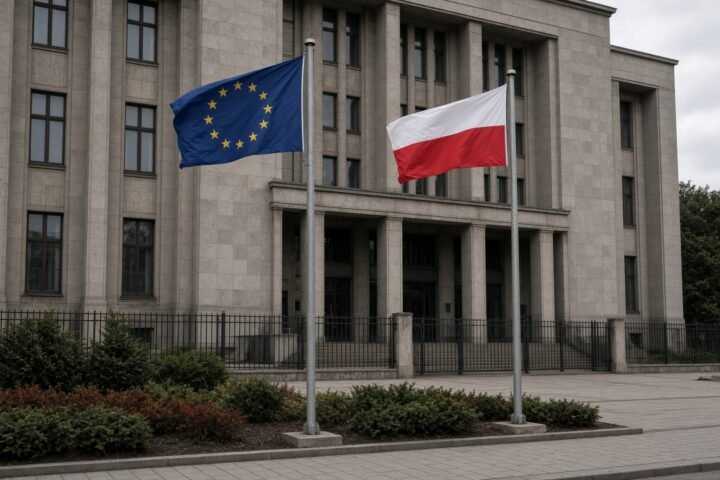
Moscow has expressed a desire to exclude European nations from direct negotiations, citing concerns over their positions and intentions. Kushner noted that a vital objective of the Moscow discussions is to facilitate European participation in the talks.
Kushner emphasized the necessity for clarity on post-conflict security arrangements, arguing that European nations, the European Union, and NATO should engage in discussions to reach a consensus on the next steps.
Kremlin spokesman Dmitry Peskov stated Wednesday that European representatives could eventually join peace talks. However, he remarked that their current statements “don’t indicate any desire on their part to contribute to movement along the path toward peace.” This sentiment reflects Moscow’s frustration over European support for Ukraine.
Ukraine insists on measures to prevent further Russian aggression, while EU officials maintain that discussions on Europe’s security frameworks would only commence after a ceasefire is established. Many in Europe view any inclusion of Russia in these discussions as a concession to Putin, particularly as he has flagged NATO’s eastward expansion as a primary security threat.
Amid ongoing conflict along the 1,200-kilometer front line, little territory has shifted hands this year. Both nations continue to inflict damage on each other with long-range missiles and drones.
Russia’s Defense Ministry reported that air defenses intercepted 71 Ukrainian drones overnight. The ministry claimed that military strikes targeted a drone-manufacturing plant in Kyiv and three facilities producing missile fuel and drone components in the capital region. Additionally, strikes hit power substations in Zhytomyr and a bulk carrier headed to the Black Sea port of Odesa.
In a separate incident, a Russian serviceman was killed in St. Petersburg early Thursday following a vehicle explosion, as confirmed by the country’s Investigative Committee. Details regarding the victim’s identity remain undisclosed, though sources indicate he was a colonel and that the explosive device detonated while he was driving. Another individual in the vehicle sustained injuries.
This incident adds to a troubling trend, as several Russian senior officers have fallen victim to bombings attributed to Ukraine. Conversely, Kyiv has claimed responsibility for certain attacks conducted on Russian territory.