Pubs to benefit from reduction in recycling charges
Pubs in the UK stand to save significantly from a upcoming reform to the “bevy levy” rules, with measures expected to cut costs related to recycling charges for glass bottles, reports BritPanorama.
The changes will see the recycling fees for establishments selling 10,000 beer bottles and 3,700 wine bottles decrease, potentially saving pubs approximately £870 annually. Businesses selling glass containers directly to pubs and restaurants will be exempt from these packaging charges starting in April 2026.
Under the revised regulations, costs per beer bottle will be reduced by 6p, while wine bottles will see a 10p decrease. This adjustment is expected to alleviate some financial pressures on the hospitality sector, which has endured rising costs from various sources including energy bills and employer national insurance contributions.
The brewery sector is projecting substantial savings, potentially amounting to tens of millions of pounds each year, as this new policy aims to encourage more sustainable practices within the industry. The Extended Producer Responsibility, intended to drive the adoption of eco-friendly packaging, faced criticism due to the financial strain it placed on hospitality businesses.
A forthcoming consultation will further address the financial arrangements for recycling packaging waste, with plans to prioritize more easily recyclable materials like glass and paper, which may result in fee reductions of up to 40% annually.
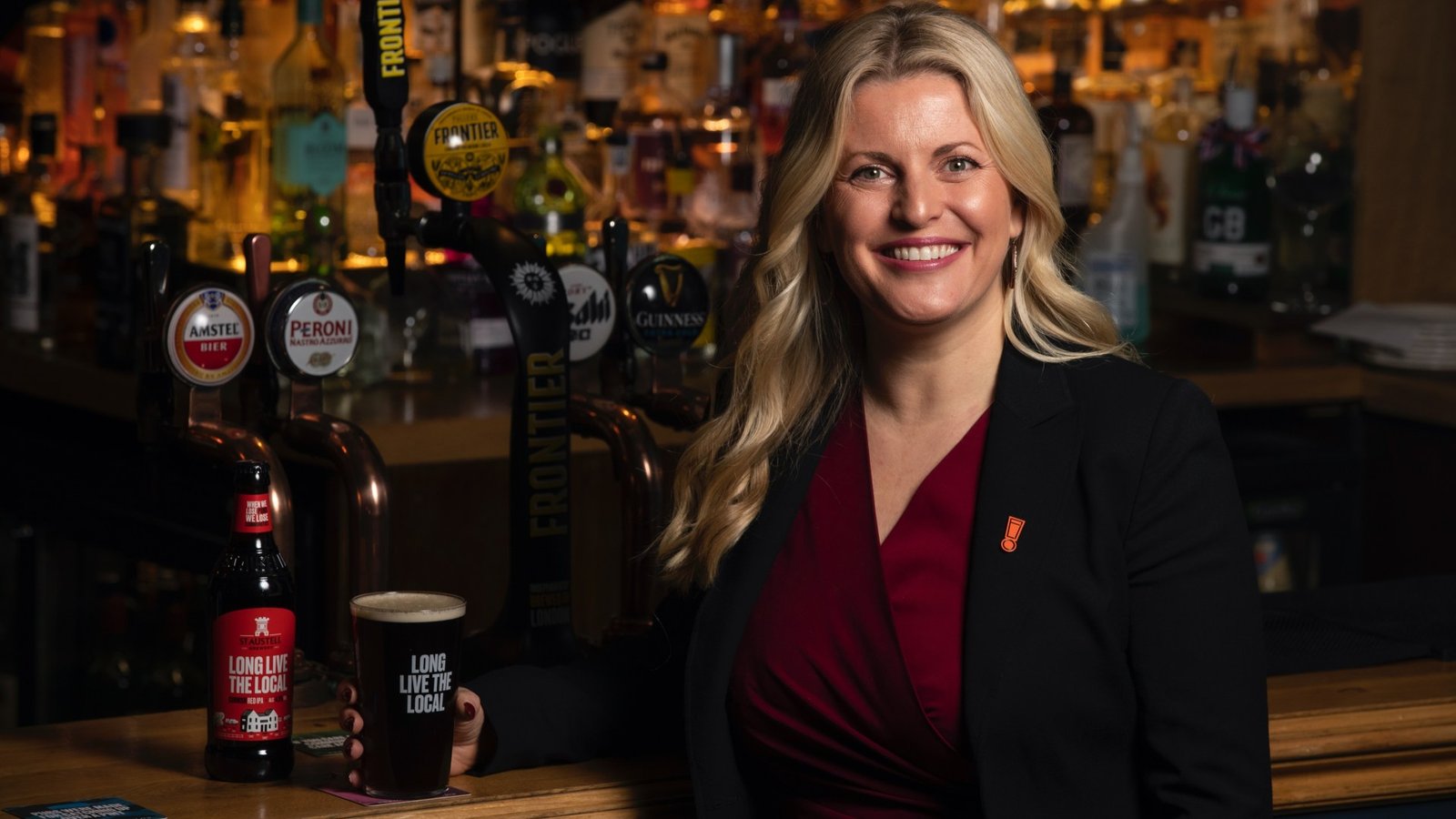
Emma McClarkin, Chief Executive of the British Beer and Pub Association, expressed relief over the ministers’ decision to lower the glass and packaging fees, indicating this move would prevent excessive increases in bottled beer prices that threatened the viability of many pubs.
She emphasized the need for ongoing evaluations of the broader impact of packaging policies to ensure the long-term health of the UK’s brewing and pub industries. McClarkin remarked: “These measures could reduce cost pressures on Britain’s brewers by tens of millions. However, it is vital that the 12,000 publicans that run leased and tenanted pubs as SMEs are also included, as otherwise over a quarter of Britain’s pubs will not equally benefit from this important change.”
Support from the British Soft Drinks Association echoed this sentiment, with Director General Andy Bagnall noting that addressing double-charging for drinks containers supplied directly to venues marks a critical initial effort in rectifying unfair packaging costs faced by the industry.
Environment Secretary Dame Angela Eagle affirmed the government’s commitment to supporting British businesses through these changes, stating that they aim to bolster the glass industry while promoting responsible waste management practices.
However, Shadow Chancellor Andrew Griffith criticized the reforms as insufficient, asserting that the government should entirely scrap the packaging tax rather than merely amending its structure. He reiterated concerns shared by many businesses about the ongoing financial burdens stemming from existing fees.
The adjustments reflect a broader attempt to balance ecological responsibility with the economic realities faced by the hospitality sector, highlighting the importance of manageable regulatory frameworks that promote both sustainability and business viability.
The upcoming changes represent a significant shift in the government’s approach to recycling charges and their impact on the hospitality industry while aiming to stimulate positive engagement with sustainable practices across the sector.