Russia is raising import duties on spirits from countries it labels “unfriendly”, but the policy is not a blanket attack on foreign alcohol. Finished bottles will face a sharp increase, while bulk grape distillates used by Russian plants retain the old rate.
The government expects the change to bring an additional 10 billion roubles into the federal budget in 2027. Its success will depend on whether the higher charge per litre outweighs a possible fall in legal imports, as foreign brands become more expensive and less competitive.
A tariff with a carefully drawn exception
A Russian government resolution dated 31 October 2026 raises the duty on a broad range of imported spirits from 20% to 35% of their customs value. The minimum charge rises from €3 to €5 per litre. The measure is due to remain in force until at least 31 December 2027.
The change was reported on 4 November by and RBC, which referred to the resolution published on Russia’s official legal-information portal.
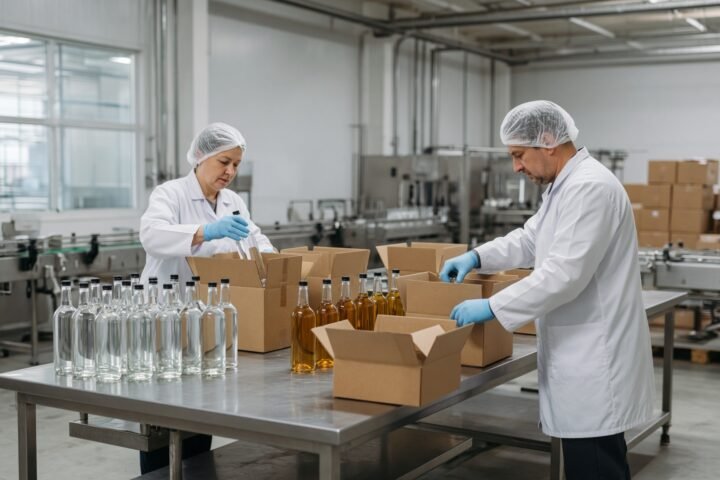
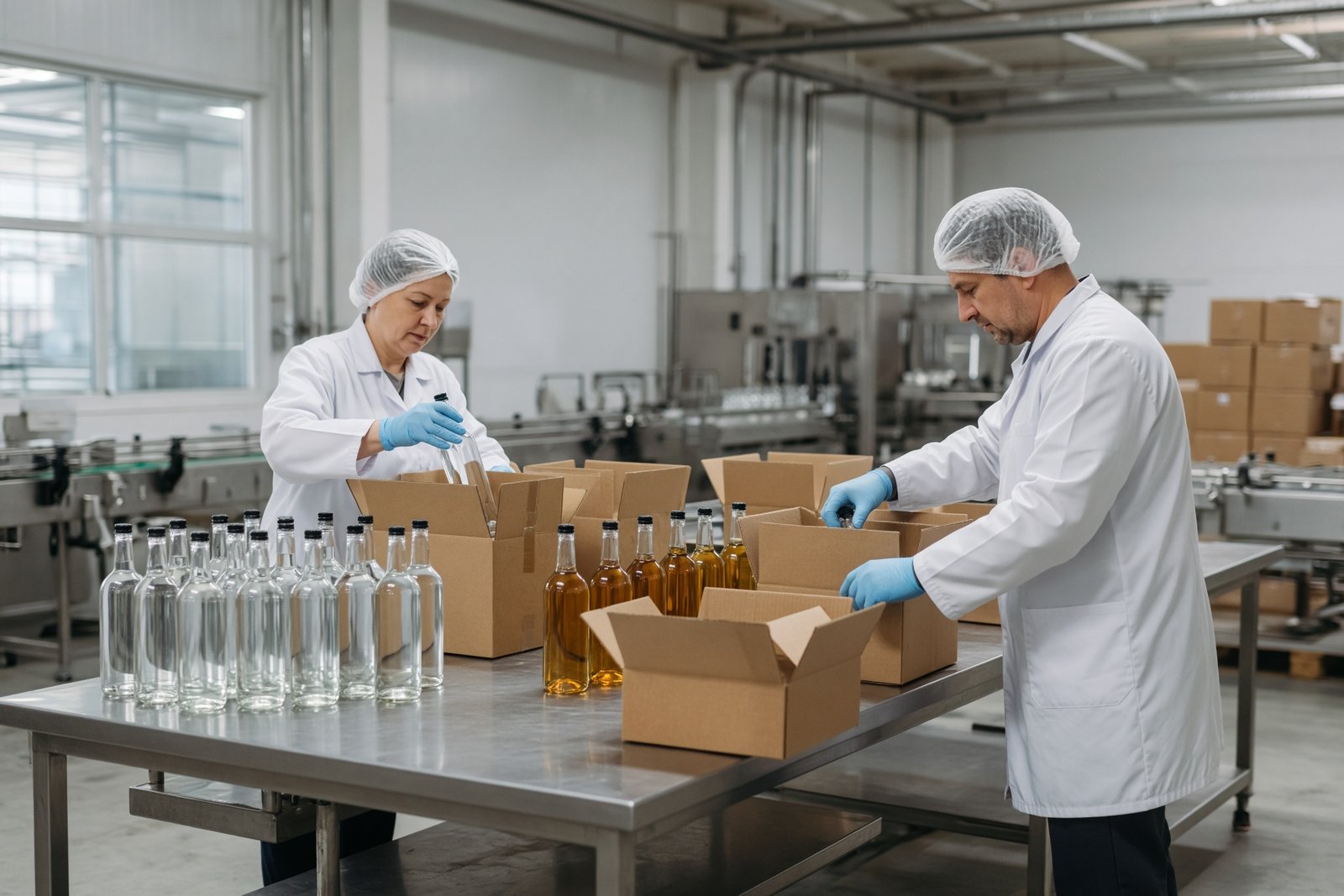
The higher rate covers whisky, rum, gin, vodka, liqueurs, undenatured ethyl alcohol and other grape-based spirits. Yet grape distillates in containers larger than two litres, when imported for bottling or further processing at Russian factories, remain subject to the previous 20% duty and €3-per-litre minimum.
That distinction is the most revealing part of the measure. A foreign brand arriving in a finished bottle will be penalised at the border. An imported bulk product that helps keep a Russian production line running will not. Moscow is therefore combining protection for domestic brands with an attempt to preserve the supply of materials used by local bottlers.
The exception also limits the risk of disrupting Russian factories that depend on imported liquid for blending, bottling or further processing. It does not mean every alcohol import has been spared: the more favourable treatment is tied to the product’s form, container size and intended use.
The government says the new duty should generate 10 billion roubles of extra federal revenue in 2027 and encourage consumers to buy locally made drinks. Alexander Stavtsev, head of the WineRetail information centre, has said that products made in Russia account for about 55% of finished alcohol volumes, excluding raw materials imported in bulk.
The cost will travel beyond the border
Importers will pay the duty initially, but the financial burden is likely to move through the supply chain. Importers, distributors and retailers will decide how much of the increase to absorb and how much to pass on to customers. Exchange rates, existing stock, wholesale margins and consumer willingness to change brands will all affect the price on the shelf.
Foreign spirits already reach Russia through more expensive and complicated routes because of sanctions, payment restrictions and disrupted logistics. The new tariff adds to those costs. Importers may respond by ordering smaller quantities, dropping some labels or withdrawing from price-sensitive parts of the market.
The effect is unlikely to be uniform. Premium bottles may retain buyers able to absorb a substantial increase. Mid-market products face greater pressure because consumers can switch to Russian brands or to other types of drink. Domestic producers may also raise their prices once foreign competitors become more expensive, using the wider gap to protect their margins.
That could turn the measure into something broader than a transfer of market share. Consumers may end up with a narrower choice without necessarily receiving a cheaper Russian alternative. The immediate effect is clearest for imported products: the minimum duty alone rises by €2 per litre, before any additional costs or commercial mark-ups are applied.
A specialised sector under pressure
The consequences may extend to businesses that handle the trade rather than make or sell the drinks. Freight companies, customs agents, insurers and warehouses equipped for excise goods all depend on the movement of alcohol. If legal imports contract, those firms could lose orders and leave part of their specialist capacity unused.
Some operators might try to recover lost revenue by raising prices for other cargo, such as food or clothing. That is possible, but not automatic. It would depend on how important alcohol is to each company’s turnover and whether replacement contracts could be found quickly. The tariff therefore creates a clear risk for a specialised logistics segment, while any wider inflationary effect remains uncertain.
The same caution applies to the broader economy. A higher landed cost can lift the price of spirits, but the size of any impact beyond that category will depend on the scale of the trade, the response of logistics companies and the speed with which consumers switch to domestic products.
The budget depends on how many bottles remain
The government’s 10-billion-rouble forecast rests on a fragile calculation. The extra revenue collected per litre must exceed the revenue lost when fewer litres are imported. If importers sharply reduce orders, the state will be applying a higher rate to a smaller taxable base.
In that case, customs receipts could fall short of expectations. The government could also lose some excise and value-added-tax revenue from legal sales, reducing the gain from the tariff. Spirits are particularly exposed to this risk because consumers can delay purchases, change brands or move to other categories.
The measure arrives as Moscow seeks additional income within the domestic economy while sustaining very high public spending linked to the war against Ukraine. The tariff is not formally assigned to a particular military budget line. It nevertheless gives the state another way to draw revenue from consumption while also supporting producers at home.
That protection comes with a trade-off. A higher duty reduces the competitive pressure exerted by foreign brands, but it cannot restore access to every imported distillate, piece of equipment or material used in ageing. Sanctions have made some of those inputs harder to obtain. Shielding local producers may help them retain market share, but it does not by itself guarantee that they can reproduce the quality, technology or production methods associated with imported products.
A widening price gap could also make unofficial supply more attractive. Parallel imports or counterfeit products may become more profitable if legal alternatives grow sharply more expensive and enforcement or traceability fails to keep pace. That is an economic risk created by the new incentives, not a proven consequence of the resolution itself.
Moscow is trying to achieve three things at once: raise money, strengthen domestic brands and keep Russian bottling plants supplied. The bulk-import exception shows how carefully the government has drawn the policy. The decisive test will be whether the official market remains large enough to produce the promised 10 billion roubles—or whether the higher duty shrinks legal imports faster than it increases the state’s take.