Farage proposes drastic changes to the UK’s asylum system
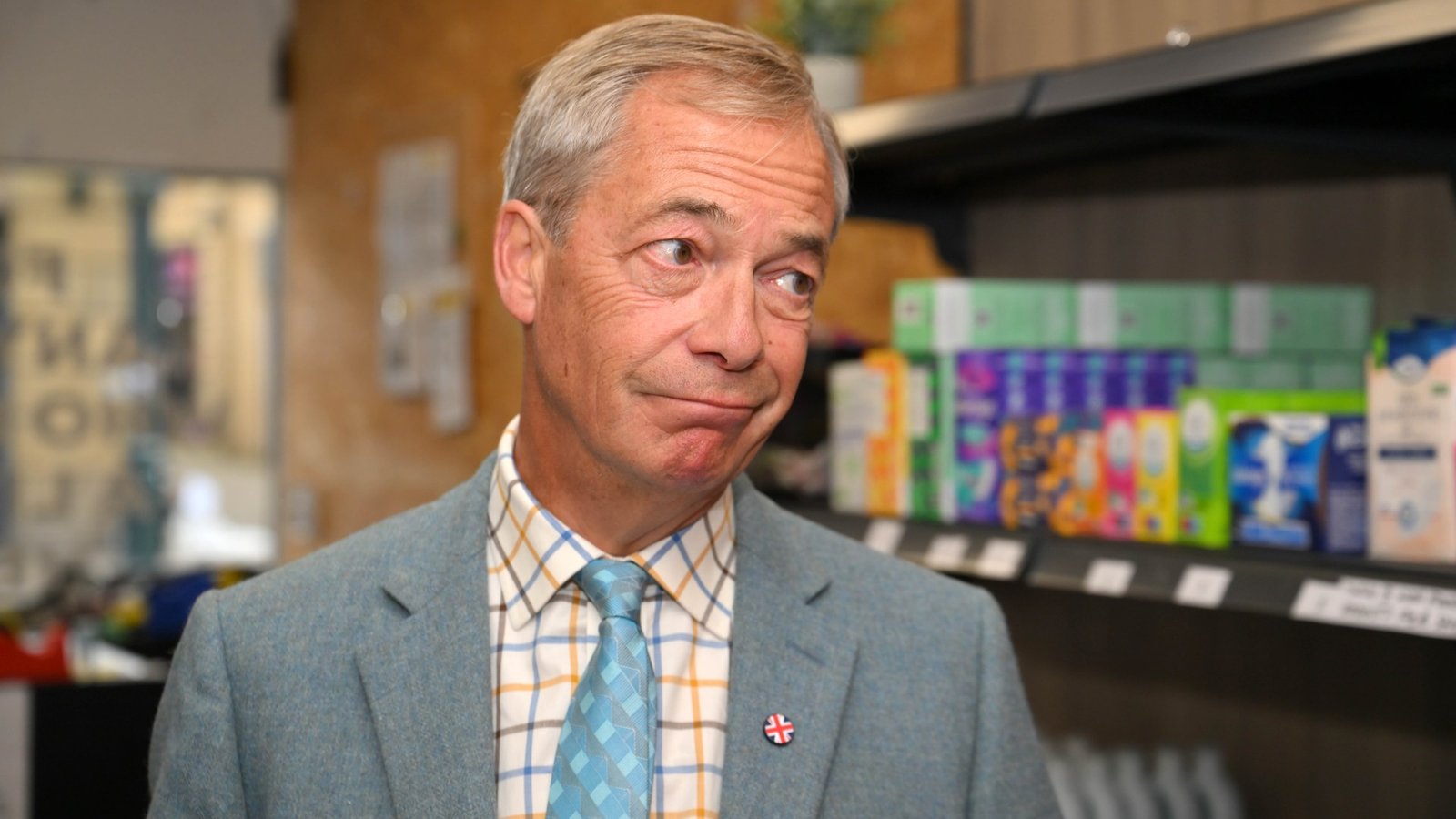
Reform’s Nigel Farage has pledged to abolish the entire asylum system if his party comes to power. Under his proposed measures, a “national security emergency” would be declared, which would lead to the suspension of all asylum tribunals and the cessation of legal refugee routes, reports BritPanorama.
Farage’s plan would include scrapping legal resettlement routes, notably the Homes for Ukraine initiative. The proposal, titled “Restoring Justice,” aims to halt any new refugees from settling in the UK entirely. It would also terminate grants of humanitarian protection for asylum seekers who, while not qualifying as refugees, cannot safely return to their home countries.
In addition to these measures, Farage has announced intentions to immediately deport 90,000 applicants. His approach highlights a significant shift in the UK’s immigration policy, suggesting an aggressive stance toward controlling asylum applications during a time of increasing migration pressures.
The implications of such a proposal are considerable, raising concerns about the treatment of vulnerable individuals seeking refuge. Critics of Farage’s plan caution that suspending legal protections may exacerbate humanitarian challenges and undermine the UK’s obligations under international law.
As the political landscape continues to evolve, responses to Farage’s strategy will likely inform the broader public discourse surrounding immigration and the UK’s role in providing sanctuary to those in need.
Farage’s proposals resonate within a growing sentiment among some voter groups, seeking tougher measures on immigration, though they also invite scrutiny and debate about their potential impact on the UK’s humanitarian commitments and international reputation.
Farage’s stance reflects a broader trend in European politics, where immigration remains a contentious topic, influencing electoral dynamics and policy debates across the continent.
In the current climate, the discussions surrounding asylum reforms could shape the political landscape as the UK approaches future elections.
The ramifications of these policy shifts will also serve to highlight the complexities faced by many countries grappling with similar migration issues, calling for a nuanced and responsible approach to asylum and humanitarian protection.