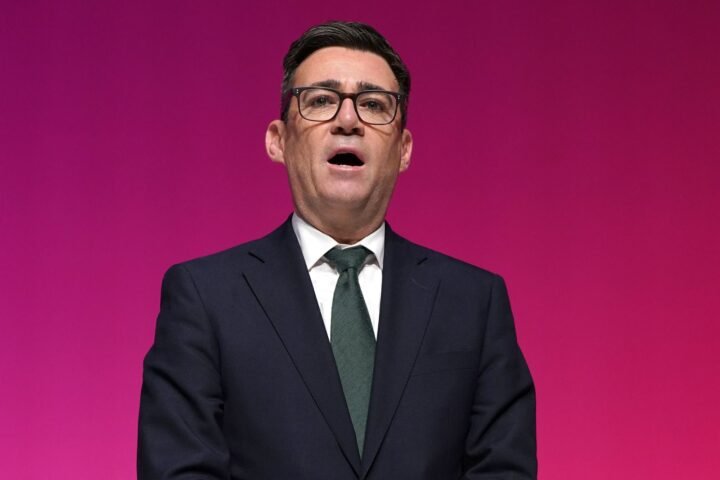
Nigel Farage pledges to shut down UK asylum system
Nigel Farage has outlined a controversial plan to dismantle the entire UK asylum system if his party, Reform UK, gains power, announcing a commitment to deport 90,000 asylum applicants immediately, reports BritPanorama.
Under the proposed measures, a “national security emergency” would be declared, suspending all asylum tribunals and legal refugee routes, including resettlement schemes. This radical approach aims to swiftly address what Farage characterizes as a critical threat to national security, potentially leading to the immediate deportation of tens of thousands of individuals seeking refuge.
Additionally, Farage’s plan involves reviewing the cases of all refugees granted asylum in the last five years, with the Home Office tasked to reassess these statuses. The scheme, dubbed “Restoring Justice,” aims to halt new refugee settlements in the UK and revoke all grants of humanitarian protection for those who do not qualify as refugees but have been deemed unsafe to return to their home countries.
Although specific details of these proposals are set to be formally announced on October 12, the implications of such drastic measures have already stirred considerable debate. Farage emphasized in an interview that “the first duty of government is to protect its citizens,” asserting that accepting more asylum seekers without clear knowledge of the undocumented population poses a significant risk.
As part of the overhaul, officials currently dealing with asylum cases would focus on reviewing and potentially overturning previous asylum grants. The promise of a swift deportation of 90,000 people would render applications from individuals on waiting lists null and require their repatriation to their home countries or a safe neighbouring state.
Farage has suggested employing “maximum diplomatic pressure” on other nations to accept returning asylum seekers, threatening visa bans on countries unwilling to comply. Nations such as Pakistan, Syria, and Sudan have been specifically referenced due to their sizable communities in the UK.
This shift could also lead to financial penalties imposed on countries that refuse to accept their nationals who have sought asylum in the UK. The recent history shows that the number of asylum claims has decreased, with 93,525 claims made in the year ending March 2016, representing a 12 percent drop from the previous year, according to official statistics.
Reform UK’s previous policy proposals aimed to identify and deport as many as 600,000 undocumented migrants during its first parliamentary term. The anticipated policy shift is indicative of a broader push to reinforce border control and reduce the inflow of asylum seekers.
While Afghan nationals who collaborated with British forces will be shielded from deportation, the party has reserved the right to review the resettlement scheme, which it alleges succeeded in bringing an unexpectedly high number of refugees to the UK.
Overall, the proposed reforms signify a robust shift in approach toward immigration policy, reflecting evolving attitudes towards asylum in the UK against a backdrop of ongoing public debate regarding immigration control.
The implications of these proposals will undoubtedly raise questions about the UK’s long-term asylum framework, blending national security concerns with humanitarian obligations. The balance between safeguarding national interests and remaining a refuge for those in need continues to provoke significant discourse.