Richard Hopkins reflects on the 1994 San Marino Grand Prix
Former Formula One mechanic Richard Hopkins has shared his experience at the 1994 San Marino Grand Prix exclusively with BritPanorama. The tragic weekend saw the deaths of Brazilian legend Ayrton Senna and Austrian rookie Roland Ratzenberger.
The Austrian driver died during Saturday’s qualifying after suffering a fatal crash in his Simtek, while Senna met the same fate in the Grand Prix after crashing into a concrete barrier at the Tamburello corner. These tragedies prompted widespread calls for improved safety measures in Formula One, marking a pivotal shift in the sport’s approach to driver safety.
The consequences of the weekend were profound, affecting not just those directly involved, but also the collective psyche of the motorsport community. Hopkins, who was working as a mechanic for McLaren at the time, noted that the weekend altered the trajectory of Formula One. “We all changed after San Marino,” he said, emphasizing that the impacts reverberated throughout the sport.
Reflecting on the accidents, Hopkins remarked that it was only upon watching the documentary “Schumacher ’94 – The Birth of a Legend” that he grasped the full extent of the changes initiated by the events of that weekend. “It certainly was during that year period that things changed,” he stated, pointing to a definitive moment in history that led to critical safety reforms.
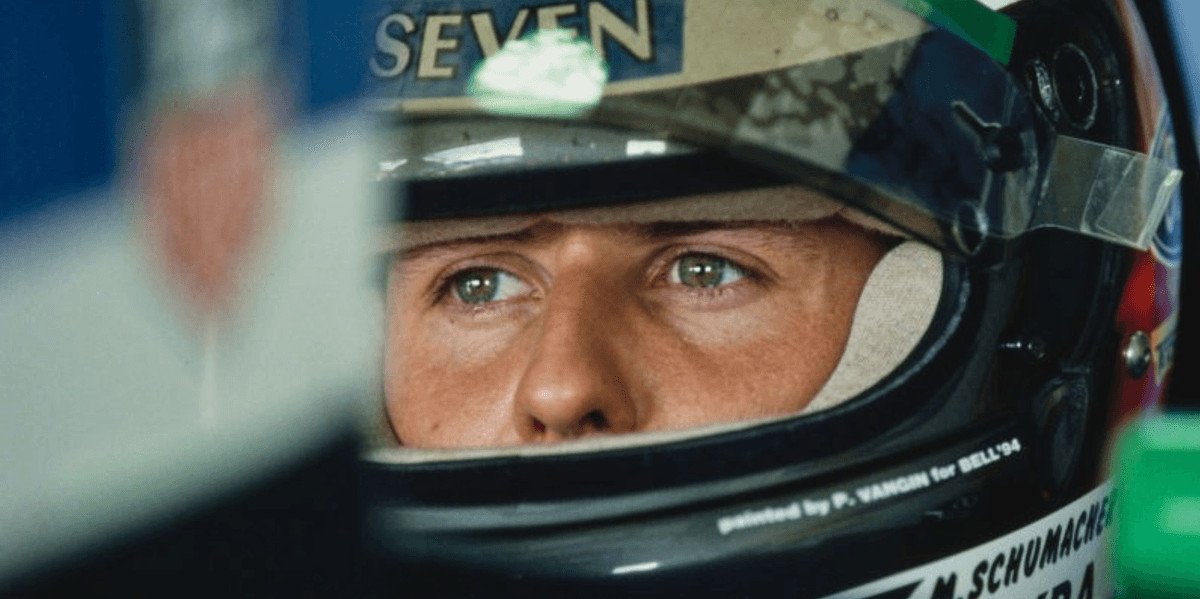
Following the San Marino Grand Prix, Michael Schumacher won the race and went on to secure his first World Championship that year with Benetton. However, Hopkins observed a notable change in Schumacher’s demeanor post-San Marino. “Michael changed, and maybe our random cups of coffee slowed down or came to an end after that,” he explained, suggesting that the tragic events shifted priorities and relationships within the F1 community.
The Monaco Grand Prix, which followed just two weeks after the San Marino disaster, was described by Hopkins as extraordinarily significant. He recalled the sense of vulnerability shared among mechanics and drivers, noting that many questioned whether they should continue racing. Despite the apprehension, there was a collective determination to push forward. “Eyes forward. We’re all racers, and we carry on,” he recalled, summarizing a resilient spirit that emerged from grief.
Hopkins’s reflections provide a poignant reminder of how sport can both encapsulate and confront human fragility. The events of 1994 continue to resonate not only as lessons in safety but also as a reflection of the shared commitment within Formula One to learn and adapt from adversity. As the sport evolves, the legacy of those lost at San Marino remains a pivotal chapter in its history.