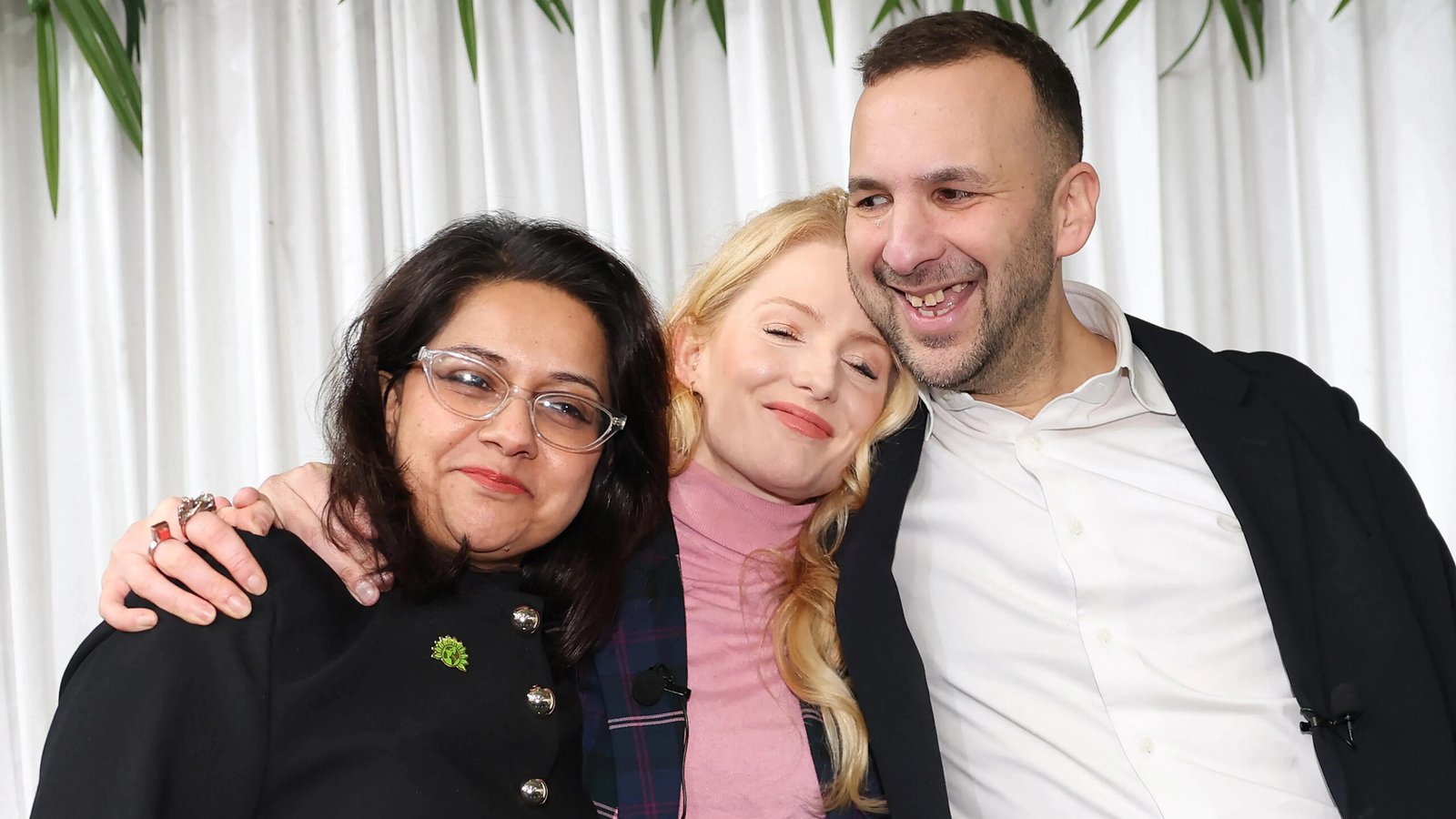
A Green councillor suggested campaigners should adopt cultural practices to gain Muslim votes, including dressing modestly and greeting voters in Arabic. Asma Alam proposed that door knockers could wear a keffiyeh, a scarf associated with Palestinians, and greet voters with “As-salamu alaykum,” meaning “Peace be upon you,” reports BritPanorama.
These comments were made during a fringe event at the Green Party conference in Brighton. Ms Alam emphasized the importance of “etiquettes” when engaging with residents and voters in mosques, suggesting that these approaches could foster better connections with the community.
She also highlighted the use of bilingual speakers in targeting voters, referencing the recent success in the Gorton and Denton by-election, which was won by Green MP Hannah Spencer. “Saying as-salamu alaykum when you see a voter is instant brownie points from me,” she remarked.
However, the proposals have drawn criticism. Fiyaz Mughal, a Muslim counter-extremism expert with the charity Faith Matters, argued that such approaches reinforce negative stereotypes by generalizing all Muslims as religious zealots. Shadow Home Secretary Chris Philp characterized the Green Party’s strategy as unprecedented “virtue-signalling,” asserting that it reflects sectarianism within British elections.
Further denunciations came from former Labour minister Lord Ian Austin, who criticized the party’s leadership for accommodating what he described as radical Islamist sentiments for political gain. He stated, “It is yet another pathetic example of how far Zack Polanski is willing to bend the knee to radical Islamists in pursuit of power.”
Zionism race row
Amidst these discussions, Green Party members are expected to vote today on a contentious motion to define Zionism as a form of racism, highlighting ongoing divisions within the party between traditional supporters and more radical factions. Green leader Zack Polanski declined to elaborate on his stance but maintained, “I believe that people have a right to exist. Israelis have a right to exist and Palestinians have a right to exist.”
The evolving dialogue around cultural engagement and electoral strategies reflects a complex intersection of identity politics and electoral pragmatism in the UK political landscape.