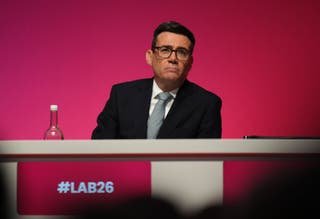
Andy Burnham to scrap state pension triple lock by 2030
Andy Burnham will abolish the state pension triple lock starting in 2030, a decision that is set to ignite significant controversy among the elderly, reports BritPanorama.
In his keynote speech at the Labour Party conference, the Prime Minister announced that pensions will increase by either 2.5% or in line with inflation, moving away from the previous commitment to link them to average earnings.
The rationale behind this policy shift is to generate savings that will contribute to establishing a National Care Service for the elderly. While Burnham acknowledged that this new approach could lead to further pension increases in specific years, the core change is seen as a substantial revision of how pension value is maintained compared to earnings.
Approximately 12 million pensioners benefitted from a £575 increase in their state pension this April, which rose by 4.8%. Since 2011, pensions have been adjusted based on the highest value among inflation, wages, or a minimum increase of 2.5%.
Looking ahead, Burnham indicated that he plans to fully fund the National Care Service without resorting to borrowing; however, he conceded that he may pay a “political price” for these changes at the ballot box. “I accept I may pay a political price,” he stated, adding that undertaking such reforms requires a willingness to confront difficult decisions.
Unite union boss Sharon Graham cautioned that scrapping the triple lock could lead to significant electoral repercussions for Burnham. The announcement comes amid the Chancellor’s commitment to maintain the triple lock only during the current parliamentary term, increasing uncertainty about its long-term future.
Burnham reassured pensioners that those with low income will not face income tax on their state pension, especially as the threshold for taxable pensions approaches. His opponents, including Tory leader Kemi Badenoch, criticized the proposals as inadequate for addressing broader economic challenges, arguing that the government lacks a comprehensive plan to stimulate growth or address defense funding issues.
In contrast, a government spokesperson defended the adjustments, asserting that these changes are intended to secure a more sustainable state pension system for current and future pensioners, while ensuring pensions remain at a record high.
Burnham’s proposals have sparked a heated debate about the treatment of the elderly within UK society, with concerns raised about the potential implications for pensioners’ living standards as the government pivots towards a reformed care system.
The future of pension policies now hinges on the Labour Party’s ability to navigate these contentious reforms while maintaining voter trust, a challenge that will be closely watched as the next election approaches.
The unfolding discourse surrounding pensions underscores a pivotal moment in Britain’s political landscape, highlighting the tensions between fiscal responsibility and social equity for vulnerable populations.