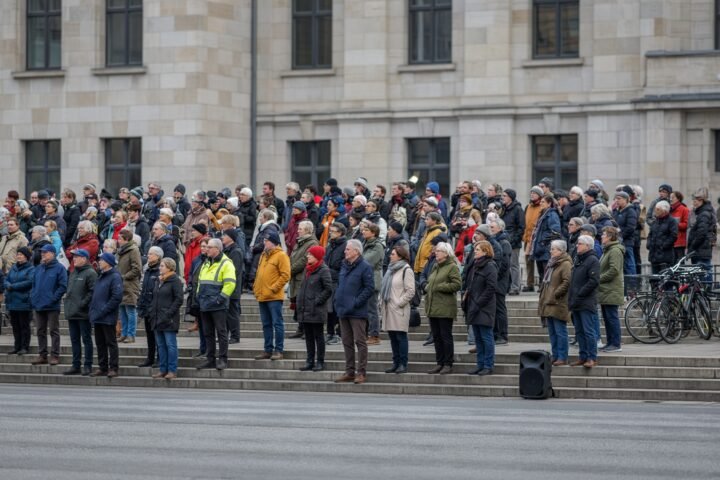
As many as 1 in 5 adults in the United States reported feeling loneliness “a lot of the day” in 2024, coinciding with what experts have termed “a loneliness epidemic,” reports BritPanorama.
This pervasive issue suggests that the experience of loneliness is not limited to individuals but indicates a broader societal concern. The repercussions of loneliness extend beyond emotional discomfort, affecting physical health outcomes and potentially hindering personal success. Psychologist Dr. Angela Duckworth, the Rosa Lee and Egbert Chang Professor at the University of Pennsylvania, emphasizes that social connections are crucial for overall well-being and achievement.
In her book “Situated: Find the People and Places That Bring Out Your Best,” Duckworth argues that successful individuals are often defined not just by their internal drive but also by the supportive resources and environments they cultivate. She points out that the modern world does not facilitate the easy formation of strong social networks, thereby exacerbating feelings of isolation.
Duckworth contends that while individuals cannot control every external factor, they can significantly influence their circumstances by choosing the social situations they enter. The strategy for combating loneliness may include initiating interactions even in mundane contexts, such as engaging with a barista or participating in a community activity.
Dr. Sherry Turkle from MIT raises another key aspect of modern connectivity: technology. While screens and social media are positioned as tools to foster connections, Turkle warns that reliance on them often leads to superficial interactions that fail to satisfy genuine relational needs. She remarks that while digital communication can maintain contact, it cannot replace the depth afforded by in-person engagements.
Furthermore, experts stress the importance of building what they call a “social muscle,” which entails practicing small talk and casual greetings. These seemingly insignificant interactions can lead to more meaningful relationships over time, reinforcing the sense of community and shared experiences.
Recent discussions underscore that loneliness can often stem from an over-reliance on technology, which may diminish one’s ability to engage in face-to-face interactions. The idea that individuals can cultivate essential social skills through more courageous outreach is becoming increasingly prominent in the conversation around mental health and well-being.
Ultimately, recognizing the need for genuine social interaction, supporting each other within communities, and reducing the barriers to meaningful contact can help counteract the loneliness epidemic that many are facing. While societal challenges persist, the potential for fostering genuine connections remains robust.